 Lynden Siding
 Windows in Wiser Lake Take a Different Kind of Beating
Wiser Lake sits in the rural country north of Lynden, close enough to the water and open farmland that homes here catch weather straight off the Salish Sea marine flow with very little to slow it down. That means wind-driven rain hits siding and window assemblies at angles that drier inland climates never have to deal with, salt-tinged coastal air works on metal hardware and finishes year-round, and the long gray stretch from October through April keeps every north- and west-facing wall damp enough to grow moss and algae for months at a time. Windows are one of the first places that combination shows up as a problem, because a window is really just a large, engineered hole in your weather barrier. If it's not built and installed correctly, water and moisture will find the weak point.
This page is specifically about window installation and replacement for houses in and around Wiser Lake — what the local conditions demand, what a correct install looks like, and how we approach the job when we're on your property.
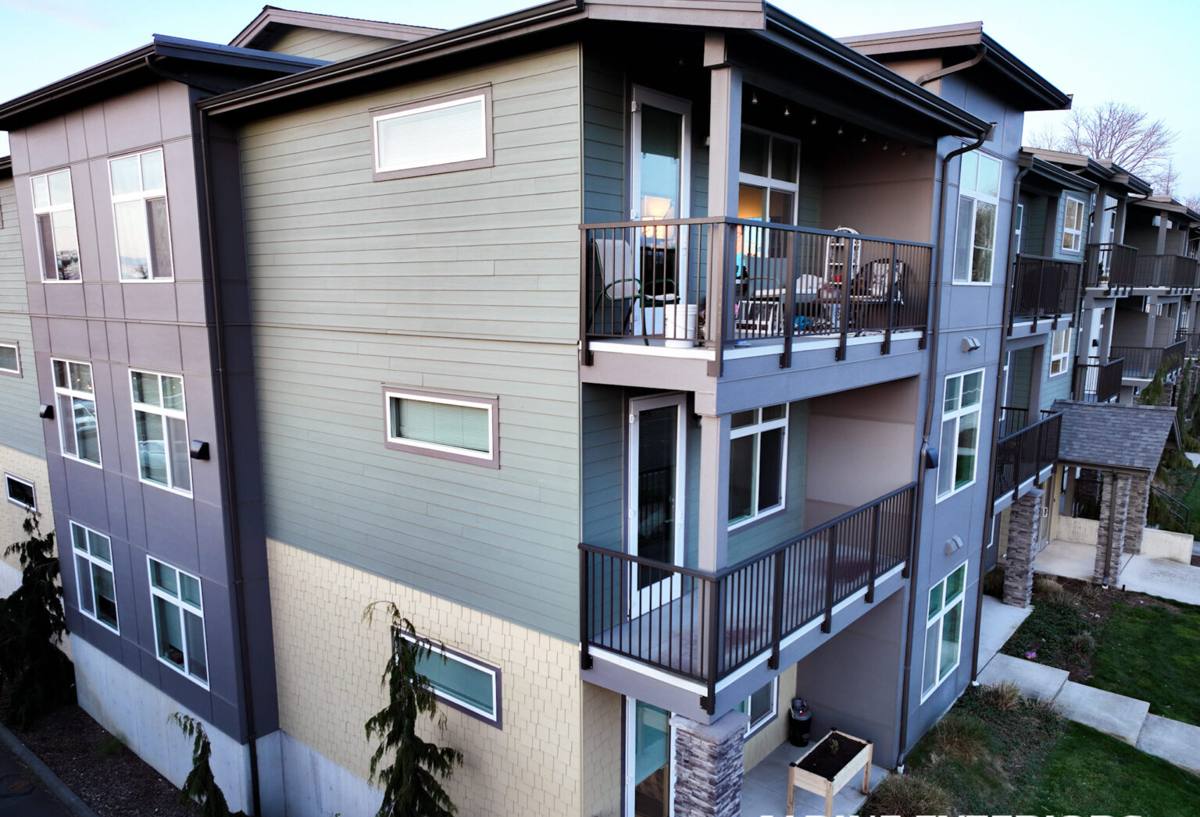
What Whatcom County Weather Does to a Window System Over Time
A window failure almost never starts with the glass. It starts at the edges — the flashing, the sill pan, the sealant joints, and the way the window ties into your house wrap and siding. In this part of Whatcom County, the failure pattern is fairly consistent:
- Driving rain intrusion: wind-driven rain forces water sideways and upward under trim and sills that were only designed to shed water falling straight down.
- Slow rot at the sill: even small amounts of trapped moisture, repeated over enough wet seasons, soften wood framing and sills before it's visible from inside.
- Hardware corrosion: locks, hinges, and balance mechanisms exposed to salt-laden marine air and constant humidity wear out faster than the glass or frame do.
- Moss and organic growth: moss doesn't just grow on roofs here — it takes hold on window sills, trim, and any horizontal surface that stays damp, holding moisture against the wood or vinyl longer than it would otherwise sit.
- Seal failure in insulated glass: temperature swings between damp nights and any sun exposure gradually break down the seal between glass panes, showing up as fogging or condensation between the layers.
None of this happens overnight. It's a slow, cumulative process, which is exactly why a lot of window problems in this area get discovered years after the original installation — often when a homeowner is finally dealing with soft trim, a drafty room, or a window that won't latch right anymore.
How to Tell If Your Windows Are Past Due
- Visible fogging or a hazy film between the glass panes
- Soft, spongy, or discolored wood trim or sills around the window
- Moss or dark staining building up on the sill or bottom trim
- Drafts you can feel near the frame even with the window closed and locked
- Windows that are hard to open, close, or lock — swollen frames or corroded hardware
- Peeling paint or bubbling finish concentrated around the window opening rather than the whole wall
- Noticeably higher heating bills with no other explanation
What a Correct Window Installation Actually Involves
The window unit itself is only part of the job. In our experience, most premature failures we get called out to inspect trace back to installation shortcuts, not a bad product. A correct installation in this climate includes:
- Removing the old window carefully to expose the rough opening and check the framing underneath for hidden rot or moisture damage before anything new goes in.
- Repairing or replacing damaged framing — installing a new window over compromised wood just traps the problem behind a fresh finish.
- Building a proper sloped sill pan so any water that does get past the exterior seal drains back outside instead of sitting against the framing.
- Flashing in the correct sequence — sill, then jambs, then head flashing lapped so every layer sheds water onto the layer below it, integrated with the house wrap so there's no gap for wind-driven rain to exploit.
- Setting the window level, plumb, and square and shimming it correctly so it operates smoothly for years, not just on install day.
- Sealing and insulating the gap between the window frame and rough opening without overpacking it, which can bow the frame and cause operational problems.
- Finishing the exterior trim and caulk lines in a way that sheds water rather than creating ledges where it can collect and feed moss growth.
Skip or rush any one of those steps and the window can look fine for a year or two before the real problem — usually moisture behind the wall — starts to show.
Choosing the Right Window for a Wiser Lake Home
There's no single "best" window material — the right choice depends on your home's exposure, your budget, and how much maintenance you want to take on. Here's how the common options compare for a marine-influenced, high-rainfall climate like ours:
| Window Type | Moisture Resistance | Maintenance | Typical Fit |
|---|---|---|---|
| Vinyl | Very good — won't rot, resists corrosion | Low — occasional cleaning | Most homes; strong value for the climate |
| Fiberglass | Excellent — very stable in wet/dry cycling | Low | Homes wanting higher-end durability and paintable finish |
| Wood (clad or unclad) | Good if maintained; vulnerable if neglected | High — finish and sealant upkeep required | Traditional or historic-style homes where appearance matters most |
| Aluminum | Fair — prone to condensation and corrosion in salt air over time | Moderate | Less common as a primary residential choice here |
For most homes around Wiser Lake, we lean toward vinyl or fiberglass because they hold up to the wet cycle without the ongoing sealant and paint maintenance that wood demands. We'll still install and service wood windows when that's the look a homeowner wants — we just make sure you understand the maintenance commitment that comes with it before you decide, rather than after.
Our Process for a Wiser Lake Window Job
1. On-Site Assessment
We walk the exterior and look at each window opening, checking for existing rot, past water intrusion, siding condition, and how exposed each elevation is to wind-driven rain — a west-facing window near open water gets treated differently than a sheltered window under an eave.
2. Straight Recommendation
You get an honest read on what needs full replacement versus what can be repaired, and which window types make sense for your budget and exposure. We're not going to sell you a premium package your house doesn't need, and we're not going to talk you into a cheap option that will cause problems in five years either.
3. Careful Removal and Opening Inspection
Every opening gets inspected for hidden damage before the new window goes in. If we find rot, we tell you before we cover it back up, not after.
4. Correct Flashing and Sealing
This is where most of the long-term performance of the job actually comes from. We follow a consistent flashing sequence on every opening so water is directed out, not in.
5. Final Check and Cleanup
Every window gets operated, checked for square and smooth function, and the site is cleaned up before we call the job done.
What Affects the Cost of a Window Installation
Every home is different, but these are the main factors that move the price up or down on a typical Wiser Lake job:
| Factor | Why It Matters |
|---|---|
| Number of windows | Per-window cost drops somewhat on larger jobs due to setup and material efficiency |
| Window material and brand | Vinyl, fiberglass, and wood carry different material costs and warranty structures |
| Existing damage found at removal | Rotted framing or sheathing found once the old window is out adds repair scope |
| Opening size and configuration | Large picture windows, bays, and custom shapes cost more than standard single/double-hung sizes |
| Exterior finish work | Matching existing trim, siding cuts, and paint or stain work adds labor |
| Access and elevation | Second-story or hard-to-reach windows take more time and equipment |
We give you real numbers based on what we actually see at your house — not a phone-quote estimate that changes once we're on site.
Why Hiring a Crew That Already Works Wiser Lake Matters
A window installer who mostly works drier inland regions may not build in the same margin for wind-driven rain, and may not think twice about a slower-draining sill detail that would be a real problem here. A crew that regularly works Whatcom County properties near the water already knows which elevations take the worst weather, how long the moss season really runs, and why the flashing sequence isn't optional in this climate — it's the difference between a window that lasts twenty-plus years and one that starts showing water damage in five.
We also know the practical side of working in this area: permitting expectations, typical framing and siding conditions found in homes of different ages around Lynden and the surrounding county, and how to sequence a job around our own wet-season weather so your home isn't sitting open to the elements any longer than necessary.
Maintaining Your New Windows in This Climate
- Rinse sills and tracks periodically to keep moss and organic debris from building up
- Check exterior caulk lines once a year, especially after a hard winter, and touch up any cracking
- Keep gutters and downspouts clear so roof runoff isn't sheeting down over window openings
- Operate each window a few times a year even if you don't use it often, to keep hardware from seizing
- Watch for early signs of trouble — condensation between panes, sticking sashes, or soft trim — and address them early rather than waiting
Good windows, installed correctly, shouldn't need much more than that.
If your windows around Wiser Lake are drafty, fogged, hard to operate, or just overdue, we're happy to come take a look and give you a straight, no-pressure estimate. Fill out the form below and we'll get in touch to schedule a time that works.