 Lynden Siding
 Window Replacement Built for Acme's Climate
Acme sits in the foothill and valley country of Whatcom County, where tree cover, humidity, and a long wet season put steady pressure on a home's exterior. The same marine-influenced weather system that pushes salt-tinged air off the Salish Sea also drives the driving rain and extended moss season that reach inland communities like Acme. Windows here don't fail because of one bad storm — they fail slowly, from years of moisture finding its way into wood frames, sills, and the flashing details that were never quite right to begin with.
Replacing windows in this area isn't just a cosmetic upgrade. Done correctly, it's a moisture-management project as much as an energy-efficiency one. Done poorly, it creates a new leak path behind new glass, which is a worse problem than the one you started with.
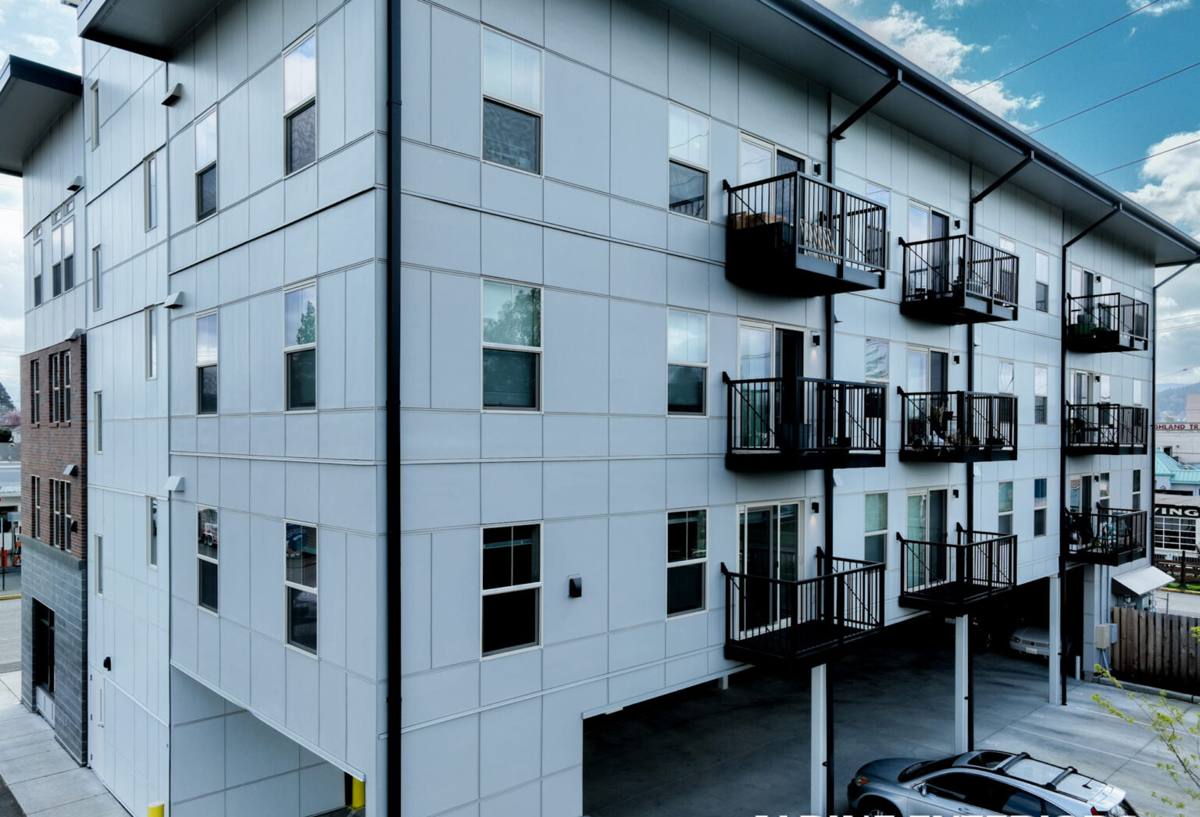
What Acme Homes Are Up Against
Homes in and around Acme tend to be a mix of older farmhouses, ranch-style homes from the mid-to-late 1900s, and newer construction on wooded or hillside lots. Each of these brings a different set of window issues:
- Older wood-frame homes: original single-pane wood windows, often with decades of paint buildup, swollen sashes, and sills that have started to soften from repeated wetting and drying cycles.
- Ranch and mid-century homes: a first round of aluminum or early vinyl replacement windows that have reached the end of their seal life, with fogged glass and drafts around the frame.
- Wooded and shaded lots: reduced sun exposure means siding and window trim stay damp longer after rain, which accelerates rot at the sill and jamb if flashing wasn't installed correctly the first time.
Because Acme is more rural and tree-covered than the flatter farmland closer to Lynden proper, humidity tends to linger around the house longer between rain events. That matters for window replacement because it changes how much margin you have for error on flashing and sealant — there's less drying time to forgive a mistake.
The Moss and Moisture Connection
Moss doesn't just grow on roofs. Given enough shade and moisture, it will take hold on window sills, in the corners of trim boards, and in any spot where water sits instead of draining. Once moss establishes itself against wood trim or a wood sill, it holds moisture against that surface far longer than open air would, which is exactly the condition that leads to rot underneath paint that still looks fine on the surface.
What a Correct Window Replacement Job Actually Involves
A window replacement is more than swapping out the sash or unit. The parts of the job that determine whether it holds up through a Whatcom County winter are mostly invisible once the trim goes back on:
Removal and Inspection
Old windows come out carefully so we can see the condition of the rough opening underneath — the framing, sheathing, and any existing flashing. This is where hidden rot or past water intrusion shows up, and it needs to be addressed before a new window goes in, not after.
Flashing and Water Management
Every opening gets flashed to shed water downward and outward, layered so that each piece overlaps the one below it — never trapping water behind the new window. In an area that sees sustained rain rather than short bursts, sloppy flashing is the single biggest cause of a callback.
Air Sealing and Insulation
The gap between the window frame and the rough opening gets properly insulated and air-sealed, not just stuffed with whatever's on hand. This is where a lot of a home's draft and energy loss actually lives, separate from the glass itself.
Exterior Sealant and Trim
Sealant goes where it helps water shed away from the house, and gets left open where it needs to drain — a fully sealed perimeter with no weep path can trap water instead of releasing it. Trim gets reset or replaced so it sheds water correctly, not just looks finished.
Choosing the Right Window for an Acme Home
There's no single "best" window — the right choice depends on the home's exposure, the homeowner's budget, and how much upkeep they want to take on. Here's how the common options stack up for this climate:
| Frame Material | How It Handles Moisture | Maintenance | Typical Fit |
|---|---|---|---|
| Vinyl | Won't rot; seams and welds are the main long-term concern | Low — occasional cleaning | Most homes; best value for straightforward replacements |
| Fiberglass | Very stable in wet/dry and hot/cold cycles; minimal expansion or contraction | Low | Homes with more sun/shade contrast or larger openings |
| Wood-clad | Good if the cladding and flashing are done right; interior wood still needs protection | Higher — finish and joints need periodic attention | Homes prioritizing a traditional wood interior look |
| Aluminum | Conducts cold and can condense in our humidity without a thermal break | Moderate | Limited use; not our default recommendation for this climate |
For most Acme homes, we lean toward vinyl or fiberglass for exterior-facing openings because both shrug off the wet-dry cycling this area sees without the ongoing finish maintenance that wood cladding requires. Where a homeowner wants a wood interior for look and feel, that's a reasonable trade-off as long as they understand the upkeep that comes with it — we'll walk through that honestly rather than upsell a product that doesn't fit their maintenance appetite.
Glass Packages Worth Considering
Double-pane, low-E glass with argon fill is the practical baseline for this region — it cuts heat loss and reduces condensation risk on the interior pane during cold, damp mornings. Triple-pane is worth discussing for north-facing rooms or homes that run wood or propane heat and want to minimize draft near seating areas, but it's not a must-have for every window in the house.
Signs an Acme Home Needs Window Replacement
- Sashes that stick, won't stay open, or are difficult to lock — often a sign of swelling or warping from moisture
- Visible fog or haze between panes, meaning the seal has failed and the insulating gas has escaped
- Soft or spongy wood at the sill or lower corners of the frame when pressed
- Moss or dark staining building up in the corners of trim or sills that stay shaded
- Cold drafts near the window even when it's fully closed and latched
- Noticeably higher heating costs in the rooms with the oldest windows
- Paint that keeps failing on the exterior trim no matter how often it's redone
What Drives the Cost of a Window Replacement
Every home is different, but the same handful of factors move the price up or down on most jobs:
| Factor | Why It Matters |
|---|---|
| Number and size of windows | More openings and larger units mean more material and labor time |
| Frame material and glass package | Vinyl is typically the most economical; fiberglass and wood-clad cost more upfront |
| Condition of the rough opening | Hidden rot or past water damage found during removal adds repair work before the new window goes in |
| Standard vs. custom sizing | Older or non-standard openings, common in older farmhouses, may need custom-sized units |
| Trim and siding tie-in | Matching existing trim profiles or repairing surrounding siding adds time |
| Access and site conditions | Rural driveways, slopes, or upper-story windows can affect setup and labor time |
We give straightforward, itemized estimates so a homeowner can see exactly what's driving the number — not a single lump figure with no explanation behind it.
Our Process, Start to Finish
- On-site assessment: we look at every window being considered, check the condition of the openings, and talk through what the home actually needs versus what's optional.
- Product selection: we walk through frame material, glass package, and budget together, with honest trade-offs instead of a sales pitch.
- Scheduling around weather: in a region with sustained rain, we plan install days to minimize how long any opening sits exposed.
- Removal and opening inspection: old units come out, and we address any rot or past damage before anything new goes in.
- Installation: proper flashing, air sealing, and trim work, done in the sequence that keeps water moving out and away from the house.
- Walkthrough and cleanup: we confirm every window operates correctly and the site is left clean before we consider the job done.
Why a Crew That Already Works Acme Makes a Difference
Acme isn't downtown Lynden — it's a more spread-out, wooded, rural area, and that changes real parts of a window job. A crew that regularly works this area already understands the longer travel and staging time rural properties require, has a feel for how shaded, tree-covered lots hold moisture differently than open lots closer to town, and knows to expect non-standard window openings in the area's older farmhouse stock. That local pattern recognition means fewer surprises mid-project and a more accurate estimate from the first visit, rather than a number that changes once the crew actually opens up the wall.
It also means we're not guessing at what Whatcom County's building and permitting requirements call for on a given job — we handle that as part of the process, not as an afterthought.
Get a Straight Answer for Your Home
If you're dealing with drafty, foggy, or sticking windows in Acme, or you just want an honest read on whether repair or full replacement makes sense for your home, we're glad to take a look. Use the form below to request a free, no-pressure estimate — we'll walk the property, answer your questions plainly, and give you a clear breakdown before any work is scheduled.