 Lynden Siding
 Siding Repair Around Wiser Lake: A Setting That Wears on Materials Fast
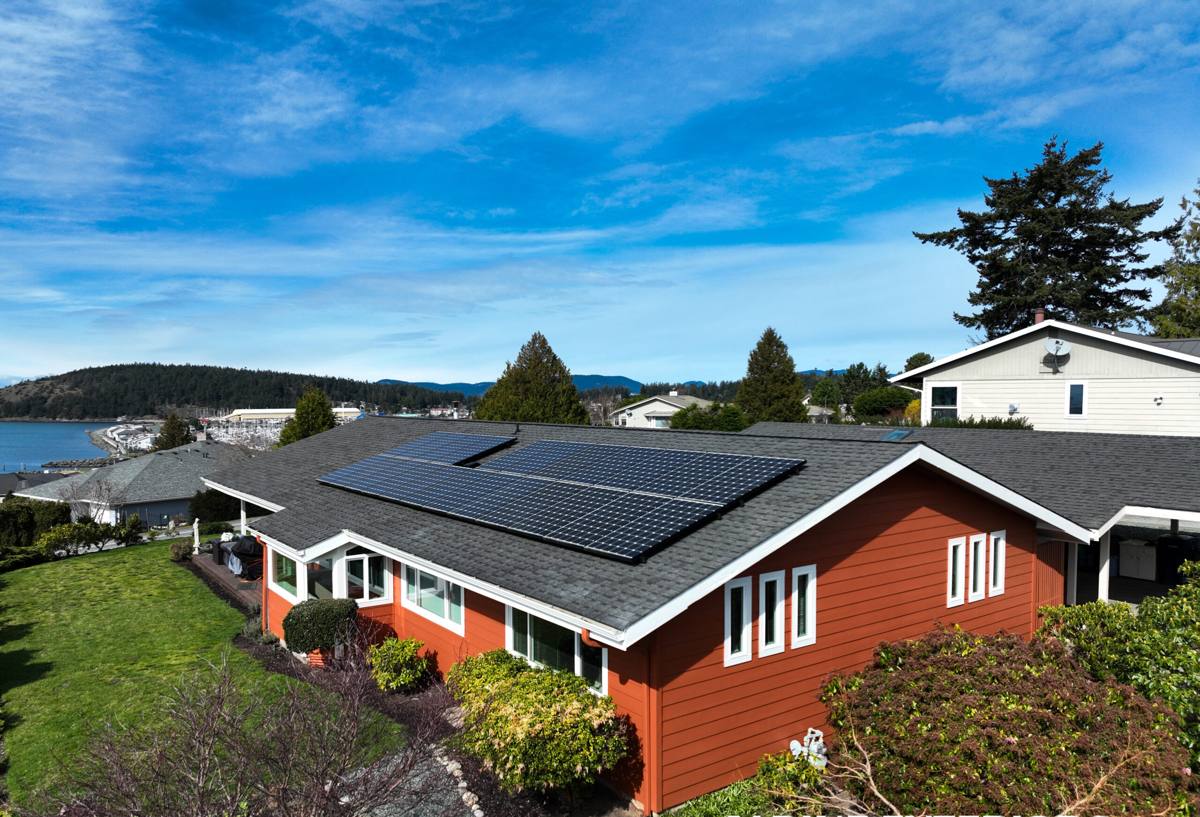
Wiser Lake sits just outside Lynden, in the farmland north of town where dairy and berry operations stretch between the water and the Nooksack Valley. Homes around the lake range from older cabins that started as seasonal places to full-time residences built up over the years, and most of them share the same basic exposure: a wall of siding facing open water on one side and open Whatcom County farmland on the other, with very little in the way of tree cover or neighboring structures to break up wind and moisture before it reaches the house. That's a meaningfully different exposure than a lot in town, and it changes what siding repair actually needs to accomplish here.
We do siding repair and replacement throughout Lynden and the surrounding Whatcom County communities, and Wiser Lake is one of the areas we work regularly. This page focuses specifically on siding repair for homes in and around Wiser Lake — what the local climate does to siding over time, how to tell a cosmetic issue from a real one, what a correct repair actually involves, and why a crew that already knows this lake matters more here than it might on a more typical in-town property.
What This Climate Does to Siding at Wiser Lake
Sustained Moisture Off the Lake
Open water changes the air around it. Evaporation off Wiser Lake keeps humidity elevated near the shoreline for longer stretches than a home a half mile inland would deal with, and lake-facing walls take wind that's picked up moisture crossing open water before it reaches the siding. That's on top of Whatcom County's already wet weather pattern. The combined effect is siding that spends more of the year damp than dry, which matters a great deal for how fast a material ages and where problems tend to start.
Salt-Tinged Marine Air Reaching Inland
Whatcom County's air carries a mild salt content that moves in off the Strait of Georgia and Puget Sound and spreads well beyond the immediate coastline, and Wiser Lake's open, unsheltered setting means that air reaches these homes with little to slow it down. Over years, that steady mineral exposure works on exposed fasteners and finishes, and it's part of why we pay close attention to fastener and hardware choice on repairs out here rather than defaulting to whatever's standard for a sheltered in-town job.
A Long Moss and Mildew Season
Between lake humidity, regular Whatcom County rainfall, and the driving rain that comes with storms moving across open farmland, siding around Wiser Lake rarely gets a long, uninterrupted dry stretch for much of the year. That's exactly the environment moss and mildew need to take hold, and it shows up first on north-facing walls and shaded siding runs near foundation plantings. Materials that hold moisture at the surface instead of shedding it stay in that damp window longer, and that's when a small cosmetic issue turns into a repair call.
Cosmetic Wear vs. a Real Repair Problem
Not every mark on a wall means the same thing, and telling the difference correctly is the actual job of a repair estimate — not just showing up with caulk and paint.
| Symptom | Usually Cosmetic | Often a Real Problem |
|---|---|---|
| Green or black staining on lap siding | Yes — surface moss and mildew | Only if the surface underneath is also soft or discolored |
| Chalky or faded paint finish | Yes — normal weathering, more common on field-painted siding | Rarely on its own |
| Cracked or split boards | Sometimes — surface-only on a few boards | Often — moisture has been working into the material |
| Soft or spongy spot when pressed | No | Yes — moisture damage below the surface |
| Rust streaking below fasteners | Cosmetic if isolated to one or two spots | Can mean the fastener itself has lost holding strength |
| Gaps or separation at trim and corners | No | Yes — water is getting behind the wall assembly |
Cosmetic issues can usually wait for routine maintenance or a cleaning. Anything soft, separated, or letting water past the surface needs attention sooner, because it's the wall assembly underneath — not the visible siding — that actually keeps a house dry.
How We Diagnose a Problem Before Recommending Anything
A repair estimate is only as good as the inspection behind it. On a Wiser Lake property, that typically includes:
- Pressing and probing suspect boards for soft spots, not just looking at the surface from a few feet away
- Checking behind trim, at corners, and around windows and doors, since that's where water most often gets past the siding on lake-exposed walls
- Inspecting fasteners and flashing for corrosion or gaps, especially on the wall facing the open water
- Looking at how the siding meets the foundation and grade, since splashback and standing moisture at the base cause a disproportionate share of the repairs we see
- Checking for moss or mildew patterns that point to a drainage or airflow problem rather than just a cleaning need
- Assessing whether the damage is isolated or spread across a wider section of wall
We walk through what we find honestly, including when the answer is that a section is holding up fine and doesn't need work yet.
Repair vs. Replace: How That Call Actually Gets Made
Homeowners sometimes assume any siding problem means a full re-side, and just as often assume a repair will always be the cheaper, equally good option. Neither is a safe default. A few honest factors actually drive the decision:
- How localized the damage is. A handful of damaged boards on one wall is a straightforward repair. Moisture damage that's spread across multiple walls or elevations usually isn't worth chasing board by board.
- What material is already on the house. Some materials repair cleanly for years. Others, once moisture gets into them, tend to keep failing in new spots faster than repairs can keep up.
- Age and remaining service life. Siding nearing the end of its practical lifespan may only have one or two more repair cycles left before replacement is the more sensible spend.
- How the original installation was done. Siding that wasn't flashed or fastened correctly to begin with will keep producing the same failure in the same spots no matter how many times it's patched.
We'll give a straight answer about which category a given wall falls into, including when a repair is genuinely the right call and a full re-side isn't necessary.
What a Correct Siding Repair Involves
Matching Board, Lap, and Finish on Existing Hardie Siding
On homes already sided in James Hardie fiber cement, a correct repair means matching plank width, lap exposure, and texture, and getting the color right — either through a close ColorPlus match or a properly prepped and finished field-painted repair where that's the better option. Fasteners and clearances get installed to Hardie's published specifications, not just close enough, because that's what keeps a repaired section performing the same as the rest of the wall.
What We Tell Homeowners With Non-Hardie Siding
Plenty of homes around Wiser Lake are sided in something other than fiber cement — vinyl, cedar, or an engineered wood product. We'll repair what's salvageable and be straightforward about the trade-offs of each material in this setting. But if an inspection turns up widespread moisture damage or a material that's clearly struggling with the lake's humidity and salt-tinged air, we'll say so plainly, and that's usually the point where we'd recommend re-siding with James Hardie rather than continuing to patch a wall that's going to keep producing the same problem. That's our honest read, not an upsell — we install Hardie because it's the material we've seen actually hold up to this kind of sustained exposure, not because it's the only thing we know how to install.
Fixing the Cause, Not Just the Symptom
A soft board or a stained wall is a symptom. Poor drainage at the base, a gap in flashing, or a fastener that's corroded through is usually the cause. A repair that swaps out the visible damage without correcting what let moisture in tends to fail again in the same place, often faster the second time because the underlying path for water was never closed off.
Maintenance That Extends a Repair's Life at Wiser Lake
- Rinse siding periodically to clear moss, pollen, and mineral residue before it works into seams and joints
- Keep gutters and downspouts clear so runoff isn't landing against the wall or pooling near the foundation
- Trim back landscaping and vegetation that shades siding and keeps it damp longer than it needs to be
- Walk the exterior once or twice a year, paying closer attention to the lake-facing wall, and look for early staining, softness, or gaps at trim
- Address soft spots or separation right away rather than waiting — these point to moisture already past the surface
- Repaint or refresh field-finished siding on the schedule the material actually needs in this climate, not whatever interval works for a drier inland property
Why It Matters That We Already Work Wiser Lake
A crew that mostly repairs siding in town can still do solid work at Wiser Lake, but a lake-exposed property has patterns that show up here more often than they do a few miles down the road — moisture damage concentrated on one lake-facing elevation, corrosion tied to salt-tinged air with nothing to block it, and moss that returns fast on shaded walls near mature landscaping. Working this lake regularly means we're not guessing at any of that. We know which walls tend to take the worst of it, what a repair actually needs to hold up out here, and how to tell a homeowner honestly whether a section is worth repairing or whether the smarter long-term move is a full re-side. That familiarity also means a more accurate estimate the first time, with fewer surprises once the work is underway.
Whether you're dealing with a specific problem on one wall or just want an honest read on where your siding stands after another wet Whatcom County season, we're glad to take a look and tell you plainly what we find, including when the answer is that it doesn't need much yet. Reach out below for a free, no-pressure estimate.