 Lynden Siding
 Deck Replacement in Wiser Lake: Building for a Damp, Shaded Climate
Wiser Lake sits in the farmland outside Lynden, in the part of Whatcom County where open fields give way to shaded, low-lying land around the water. Homes here deal with the same driving rain and long moss season that define exterior work across this whole corner of Washington, along with the salt-tinged marine air that reaches even well-inland Whatcom County properties. The lake itself adds something extra: shade from the trees that ring the water, higher ground moisture, and longer damp periods than a lot set back from any water source. A deck around Wiser Lake is working against a fuller stack of moisture sources than most decks even a few miles away.
Deck replacement is a different job than deck repair. Repair patches specific failures on a structure that's still fundamentally sound. Replacement means the original deck, or too much of it, has reached the point where patching individual problems no longer makes sense, whether that's from age, a build that wasn't quite right for this climate to begin with, or damage that's spread past what's worth chasing board by board. This page covers what actually wears a deck down around Wiser Lake, what a correct full replacement involves, and why hiring a crew that already works this specific area matters.
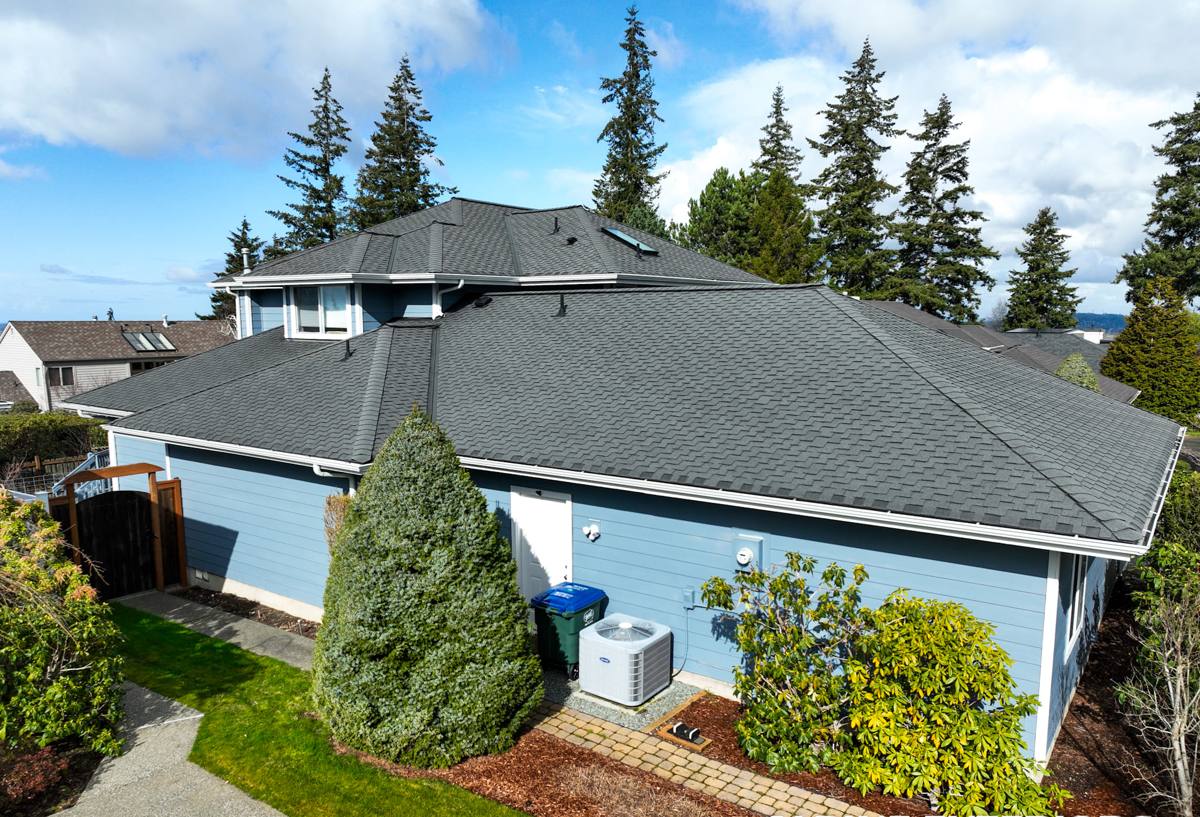
What Wiser Lake's Environment Does to an Aging Deck
Marine-Influenced Salt Air
Whatcom County homes get a steady dose of salt-laden air moving in off the Sound, even well away from the immediate shoreline, and a deck sits outside in it year-round with nothing overhead to shield it. Salt accelerates corrosion in exposed fasteners, joist hangers, and railing hardware, and a corroding fastener loses holding strength long before it looks obviously bad from the surface. On an older deck, that's often the hidden reason boards have started to lift or a railing has developed some play in it.
Driving Rain
Rain in this part of Washington rarely just falls straight down. Wind pushes it sideways into railing posts, under ledger flashing, and between deck boards that weren't gapped with drainage in mind. A deck built for calm, dry conditions can shed water fine on an easy day and still trap moisture the moment wind gets involved, which around here is most of the wet season.
Shade and Standing Moisture Near the Water
Trees around Wiser Lake block a lot of direct sun from reaching nearby decks, which sounds pleasant in July but works against the wood or composite underfoot the rest of the year. Less sun means slower drying after every rain event, and a deck close to the lake often sits in higher ambient humidity than one out in open farmland a short distance away. That combination, shade plus consistent moisture, is exactly what accelerates rot in framing and gives moss and algae a foothold on the decking surface.
A Moss Season That Runs Most of the Year
Between the mild temperatures, the shade, and the moisture, moss and mildew have a long growing season on horizontal surfaces here. Decking holds water longer than a vertical wall does and stays damp between rain events, and any material with even a little surface porosity gives moss something to grip. On an aging deck around the lake, moss buildup is often the first visible sign that the surface has been holding moisture longer than it should for a while.
Repair or Full Replacement: Reading the Signs Correctly
Not every aging deck needs to come out entirely, but around Wiser Lake's damp, shaded conditions, problems tend to be further along underneath than they look on top. A few signs point toward replacement rather than another round of spot repairs:
- Soft or spongy spots showing up in more than one area of the decking, rather than a single isolated board
- Rot or corrosion found at the ledger board connection where the deck ties into the house
- Multiple support posts or footings that have shifted, settled, or show signs of sitting in standing water
- A structure that's been repaired more than once already for similar issues in different spots
- An original build that doesn't meet current railing, fastener, or footing standards
- Framing lumber that wasn't rated for sustained moisture exposure when the deck was first built
A deck with one or two of these issues, and otherwise sound framing, may still be a reasonable repair candidate. A deck with several of them, especially anything at the ledger connection or the support posts, is usually more cost-effective to replace outright than to keep patching, since a repair on compromised framing doesn't buy back much time in this climate.
Choosing the Right Decking Material for This Site
Material choice matters more on a shaded, lake-adjacent lot than it does on a dry, open one, because the gap in performance between a well-suited product and a poorly-suited one shows up faster where moisture lingers.
Wood
Pressure-treated lumber and cedar look good when new and cost less upfront, but both need regular sealing or staining to hold up against sustained moisture, and both are more vulnerable to fastener corrosion in salt-influenced air over time. In shaded, slow-drying conditions like those around Wiser Lake, wood is usually the first material to show moss and soft spots if maintenance slips even one season.
Capped Composite
Capped composite boards have a plastic shell around a wood-fiber core, which resists moisture absorption, staining, and fade far better than uncapped composite or wood. In a shaded, humid setting, that cap layer is doing real work rather than adding a marketing claim — it's the difference between occasional washing and ongoing sealing.
Cellular PVC
PVC decking contains no wood fiber, so it doesn't absorb moisture the way even capped composite can at cut edges or fastener holes. It costs more than composite and can flex a bit more under heavy point loads, but on a lot that stays damp longer than most because of shade and proximity to the water, some homeowners decide the added moisture resistance is worth it.
What a Correct Deck Replacement Involves
A full replacement starts with removing the old structure down to the ledger and support posts, not building a new surface over questionable framing. Done right for a site like this, the rebuild includes:
- Complete tear-out and disposal of the old decking, framing, and hardware, rather than reusing components that may already be compromised
- New footings sized and set correctly for the load and soil conditions, checked for any signs of the standing water issues that affected the original structure
- Framing material rated for sustained moisture exposure, sized correctly for the span and load rather than matched to whatever was used originally
- Stainless steel or coastal-grade corrosion-resistant fasteners throughout, not standard hardware that starts corroding in salt-influenced air within a few seasons
- Correct ledger board flashing where the new deck ties into the house, since that connection is one of the most common failure points on the deck being replaced
- Board gapping and joist spacing matched to the chosen decking product's span rating, sized for drainage given the site's slower drying conditions
- Railing and post attachment sized for current code requirements, not just matched to whatever the old deck had
Any permit and setback requirements that apply to the property, including anything tied to the lake itself if the deck sits close enough to the water to trigger review, get sorted before framing starts, not discovered partway through the job.
Cost Factors in a Wiser Lake Deck Replacement
| Factor | What It Affects | Why It Matters Here |
|---|---|---|
| Tear-out and disposal | Labor and hauling cost before rebuild begins | Older decks with rot or moss buildup need full removal, not partial demo |
| Footing and framing condition | Whether footings can be reused or need replacement | Shaded, damp ground around the lake is harder on buried framing over time |
| Decking material | Material and installation cost per square foot | Moisture and shade favor composite or PVC over untreated wood on most lake-adjacent lots |
| Fastener and hardware grade | Upfront hardware cost | Salt-influenced air makes corrosion-resistant hardware worth the added cost |
| Size and design complexity | Overall project scope | Multi-level decks or those with stairs and extensive railing take more time regardless of site |
| Permitting and setback review | Timeline before construction starts | Lots close to the water may need additional review depending on placement |
Exact numbers depend on the specific property and how far the old deck has deteriorated, which is why we walk the site before giving a real number rather than quoting off a generic range.
How Our Process Works
We start with a site visit to assess the existing deck, framing condition, footings, and how the shade and moisture around the lake have affected the structure specifically. That inspection tells us honestly whether repair is still realistic or whether replacement is the more sensible path, and we'll say so either way rather than defaulting to the bigger job. From there we talk through decking material options that fit the budget and how the space actually gets used.
Once the scope and material are settled, we handle any permitting or setback questions that apply to the property before construction begins. The rebuild follows the sequence above — full tear-out, then footings and framing sized and fastened for the site's actual moisture exposure, then decking, railing, and any stairs. We finish with a walkthrough covering what the specific material you chose needs going forward, which for most modern decking is minimal but not nothing.
Keeping Your New Deck in Good Shape
- Rinse the deck surface periodically to clear pollen, leaf debris, and organic buildup before it works into the material or cap layer
- Keep gaps between boards clear of leaves and needles so water and airflow can move through the way the design intends
- Trim back overhanging branches where practical to let more light and airflow reach the deck surface
- Check railing posts and visible hardware once a year for early corrosion or loosening, especially heading into the wet season
- Address any soft framing or standing water underneath right away — that's a structural issue, not a cosmetic one, and it won't improve on its own
Why It Matters That We Already Work Wiser Lake
A crew that mostly builds decks in open, sunnier parts of the county can still do competent work here, but a Wiser Lake replacement has variables that come up more often on a shaded, lake-adjacent lot than elsewhere in the Lynden area — slower drying conditions after every rain, footing and framing decisions suited to consistently damp ground, and, on some properties, setback or permitting questions tied to how close the structure sits to the water. Working this area regularly means we're not guessing at those requirements on your project. We've seen how this specific combination of shade, moisture, and salt-influenced air wears down decks here, and we know which materials and framing details are worth the extra time rather than an upsell.
Whether your deck around Wiser Lake needs a full rebuild now or you just want an honest read on how much life it has left, we're glad to walk the site and lay out the options plainly. Reach out below for a free, no-pressure estimate.