 Lynden Siding
 Windows Built for Maple Falls' Wet, Wooded Climate
Maple Falls sits up in the timbered foothills of Whatcom County, and homes out here deal with a different kind of weather load than a house in town. The tree canopy holds moisture close to the siding and trim, rain lingers longer before it dries, and the same marine air system that blankets the rest of the county keeps humidity high for much of the year. Windows are one of the first places that shows up — foggy glass, soft trim, sticking sashes, and frames that never quite feel sealed even when they're "new." Custom window work here isn't about picking a style out of a catalog. It's about matching the window, the flashing, and the install method to a house that spends a lot of its life damp.
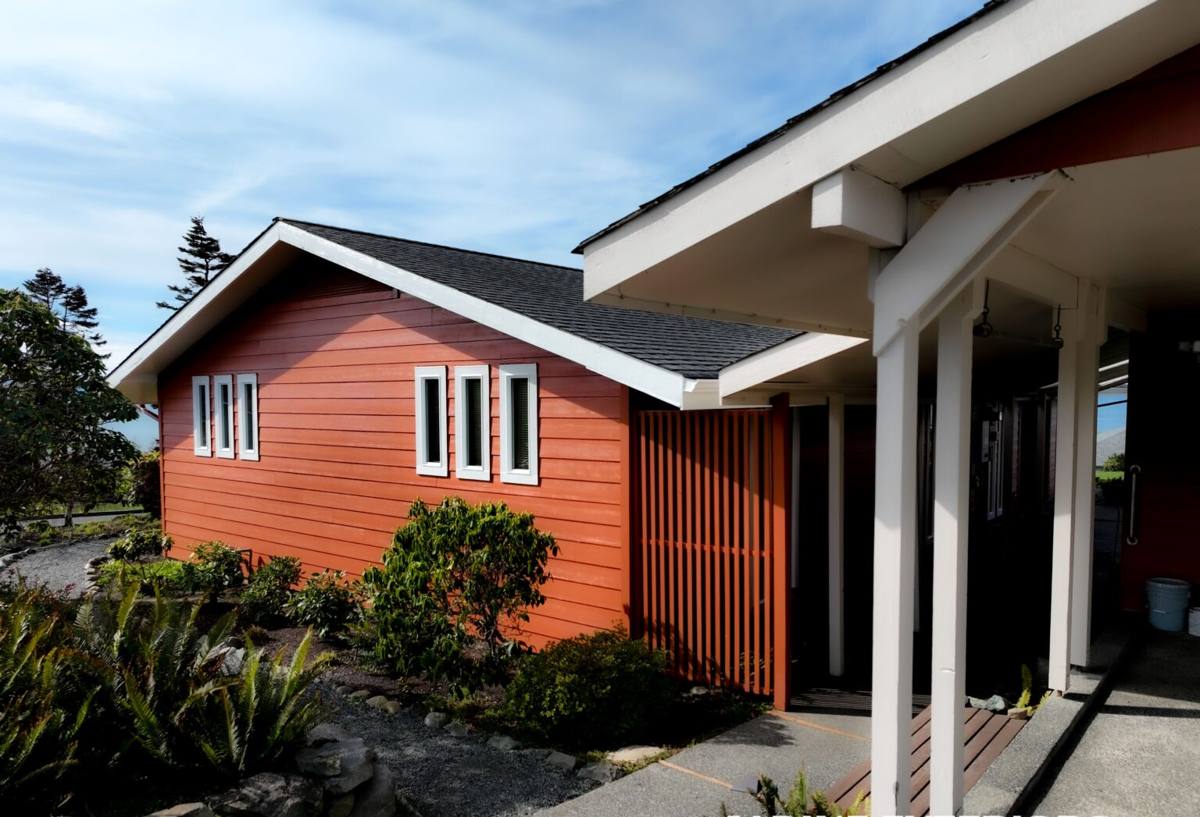
What Maple Falls Homes Are Actually Up Against
Before we talk about window choice, it helps to understand what's working against a window assembly in this part of the county:
Driving rain and wind-driven moisture
Storms coming off the water push rain sideways, not straight down. On a house with older or poorly flashed window openings, that means water gets forced up and under trim rather than shedding off it. Over years, that's how you get rot at the sill and staining below the window, even on a wall that looks fine everywhere else.
A long moss and mildew season
Shade from the tree line and consistent dampness give moss, algae, and mildew a long runway — often most of the year rather than a couple of wet months. Window sills, tracks, and the wood or composite trim around openings are common places for it to take hold, especially on north- and west-facing walls that dry slowest.
Temperature swings between valley and elevation
Maple Falls runs cooler and damper than the lowland parts of Lynden and the rest of Whatcom County, and nights near the foothills can be noticeably colder. That gap between a warm, humid interior and a cold pane of glass is exactly what drives interior condensation — the fogging and dripping homeowners often blame on "bad windows" when it's really a mismatch between the window's performance and the house's humidity.
Long dry-out times
Because of the canopy and the general moisture load, anything that gets wet around here — trim, sheathing, insulation — takes longer to dry out than it would in an open, sunny lot. That means a small flashing mistake at installation doesn't just cause a temporary problem; it can stay wet long enough to actually rot the framing behind the window.
Signs Your Current Windows Are Losing the Battle
Most window failures don't announce themselves with a leak. They show up as small, easy-to-ignore signs first:
- Fogging or a haze between the panes of a double-pane window (means the seal has failed)
- Soft, dark, or bubbling trim or sill wood around the window opening
- Windows that are hard to open, close, or lock — frames can swell and warp with repeated wet-dry cycles
- Persistent moss or black staining on the trim or sill that comes back no matter how often it's cleaned
- A noticeable draft or cold spot near the window even when it's shut
- Interior condensation that runs down the glass or collects on the sill, especially in colder months
- Visible daylight or gaps around the frame from outside
Any one of these can be a minor fix. Several at once, especially on the same window, usually means the frame or flashing has already let moisture in and it's time to look at replacement rather than repair.
What a Correct Custom Window Installation Actually Involves
"Custom" in a house like the ones around Maple Falls usually means the openings aren't standard, the siding material varies, or a previous remodel left the rough opening slightly out of square. A correct install accounts for all of that — the window itself is only part of the job.
Opening prep and inspection
We pull the old window and actually look at what's behind it — sheathing, framing, and any existing flashing — before anything new goes in. If there's rot or moisture damage from a prior leak, that gets addressed first. Installing a new window over damaged framing just hides the problem for a few more years.
Flashing and drainage, not just caulk
Given how much wind-driven rain this area gets, the flashing detail at the sill and sides matters more here than in a drier climate. Water that gets behind the siding needs a clear path back out, not a dead-end pocket where it sits against the frame. Caulk is a backup, not the primary defense.
Air sealing and insulation at the rough opening
Gaps between the window frame and the rough opening are sealed with proper low-expansion foam or backer rod and sealant — not stuffed with fiberglass, which does little to stop air movement and can hold moisture against the frame.
Interior and exterior trim
Trim gets reset or replaced with materials suited to the exposure on that side of the house. A shaded, north-facing wall that stays damp most of the year is not the place to reuse trim that was already showing wear.
Choosing Window Types and Materials for This Climate
There's no single "best" window — the right choice depends on the wall's exposure, how shaded the lot is, and how the home is used. Here's how the common options generally compare for a damp, tree-covered property like the ones in and around Maple Falls:
| Frame Material | Moisture Behavior | Maintenance | Best Fit |
|---|---|---|---|
| Vinyl | Won't rot; handles sustained dampness well | Low — occasional cleaning | Most exposures, budget-conscious replacements |
| Fiberglass | Very stable in wet/dry and hot/cold cycling; minimal expansion | Low | Shaded, high-moisture walls; longer-term ownership |
| Wood (unclad) | Handsome but needs a dry, well-detailed opening; vulnerable if flashing fails | High — regular painting/sealing | Sheltered walls, homeowners committed to upkeep |
| Wood-clad (exterior clad, wood interior) | Good if the cladding and flashing are correct; interior wood still needs stable humidity | Moderate | Homes wanting a wood interior look with better exterior protection |
| Aluminum | Durable but conducts cold, increasing condensation risk without a thermal break | Low | Less common as a primary residential choice in this climate |
Glass package matters just as much as frame material. In a house that runs cooler and damper, like many in the Maple Falls area, a double-pane low-E unit is the baseline; triple-pane or a warmer spacer system is worth the upgrade cost on walls that face prevailing weather or in rooms where condensation has been a recurring problem.
Our Process, From Estimate to Final Walkthrough
1. On-site assessment
We look at each opening individually — exposure, existing damage, framing condition — rather than quoting a flat per-window price sight unseen. Openings on a shaded, weather-facing wall often need different handling than a sheltered one on the same house.
2. Written scope and product selection
You get a clear scope of work and a walk-through of frame material, glass package, and trim options suited to that specific wall, along with honest trade-offs — not just the upsell option.
3. Removal and structural check
Old windows come out carefully so we can inspect the framing underneath before anything new is installed.
4. Install with proper flashing and sealing
New units go in with flashing, drainage, and air-sealing details matched to this area's rain and humidity load — not a generic caulk-and-foam approach.
5. Final walkthrough
We check operation, seals, and trim with you before calling the job done, and explain any care that particular window or location needs going forward.
What Drives the Cost of a Window Project
Every home and opening is different, so we don't publish flat per-window pricing — but these are the factors that actually move the number up or down:
| Factor | Why It Matters |
|---|---|
| Frame material and glass package | Vinyl, fiberglass, and wood-clad options span a wide cost range; triple-pane and upgraded low-E coatings add cost but pay off on exposed or condensation-prone walls |
| Condition of the existing opening | Rot or moisture damage found during removal adds repair work before the new window can go in correctly |
| Number and size of openings | Larger or custom-shaped windows cost more to source and install than standard sizes |
| Access and exposure | Second-story or hard-to-reach openings, and walls with heavier weather exposure, take more time to flash and finish properly |
| Trim and finish work | Matching existing trim, repainting, or upgrading trim material affects the total scope |
Why Hiring a Crew That Already Works Maple Falls Matters
A window that's correctly installed in a dry, open subdivision can still fail early on a shaded, rain-exposed wall in the foothills if it's flashed the same generic way. Crews that regularly work Whatcom County's wetter, wooded properties know which walls tend to hold moisture, which flashing shortcuts show up as callbacks two winters later, and which materials actually hold up under a long moss season instead of just looking good on install day. That local pattern recognition is the difference between a window that lasts and one that needs attention again in a few years.
Get a Free, No-Pressure Estimate
If your windows in Maple Falls are fogging, sticking, drafty, or showing rot at the trim, it's worth having someone look before those small signs turn into a framing repair. Use the form below to request a free estimate — we'll walk the exposures on your home, tell you honestly what needs attention now versus what can wait, and give you options that fit your budget and the way this climate actually behaves.