 Lynden Siding
 Roofing Built for Wiser Lake's Wet Side of the Year
Wiser Lake sits in a part of Whatcom County where the roof over your head works harder than it does almost anywhere else in the state. Between the marine air moving in off the Salish Sea, long stretches of driving rain through fall and winter, and shade from mature evergreens that keeps things damp well into what should be dry season, a roof here is under near-constant moisture pressure. Add a moss season that can run eight months or longer in shaded, north-facing sections, and you have a climate that punishes shortcuts fast. An asphalt shingle roof installed correctly for these conditions can last decades. One installed with generic, one-size-fits-all methods often shows problems in five to eight years — curling edges, granule loss, soft spots at the eaves, and moss creeping under the shingle tabs.
This page covers what asphalt shingle roofing actually requires around Wiser Lake, what a correct installation looks like, and how we approach the job from first estimate to final cleanup.
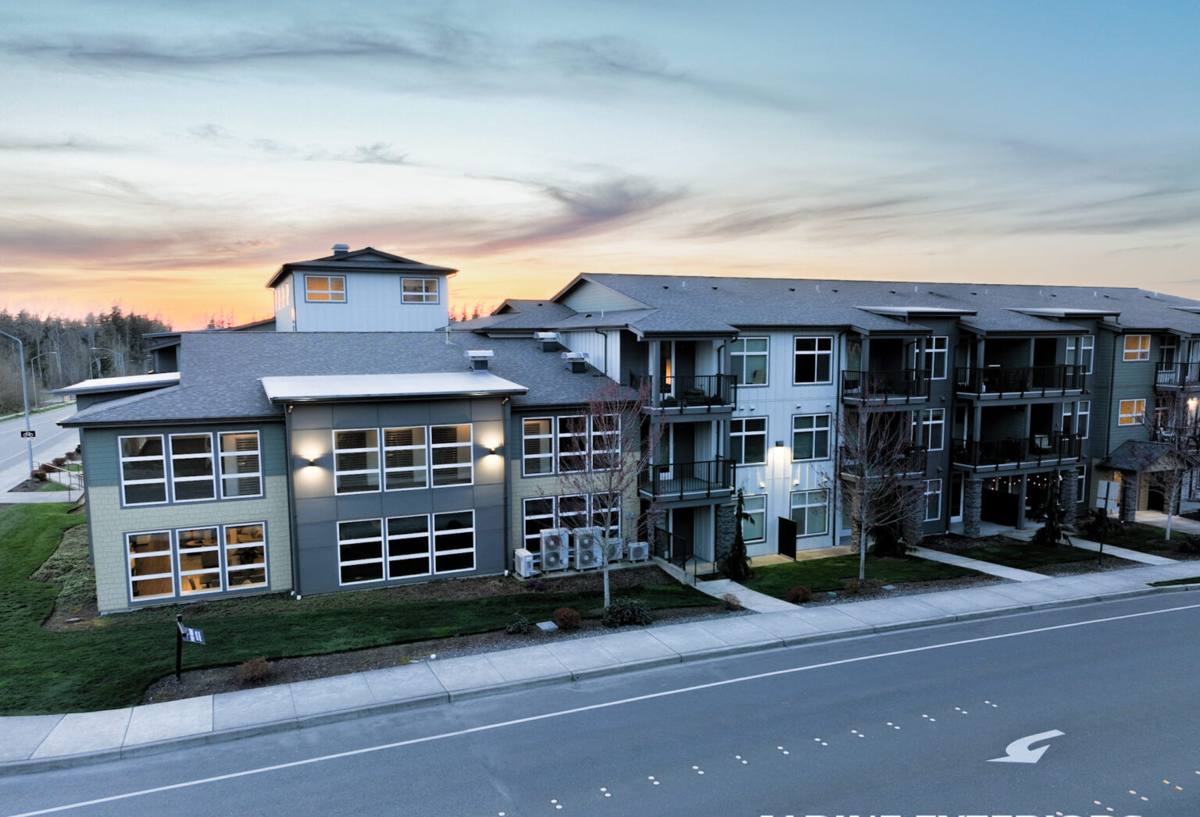
Why Asphalt Shingles Still Make Sense Here
Asphalt shingles remain the most practical roofing choice for the large majority of homes in and around Wiser Lake, and there's a reason it isn't fashion — it's fit. A quality architectural shingle, installed with the right underlayment and ventilation package for this climate, handles sustained rain and wind-driven moisture as well as most premium materials, at a fraction of the material and labor cost. It's also far easier to repair in sections, which matters when a windstorm off the lake takes a few tabs rather than an entire slope.
Where asphalt shingles fall short is almost always in the installation, not the material. A roof that traps moisture under the shingles, lacks proper airflow in the attic, or skips ice-and-water protection at the vulnerable points will fail early regardless of which shingle brand is on it. That's the gap we focus on closing.
Where Asphalt Isn't the Right Call
We'll say so plainly if a roof isn't a good asphalt candidate — very low-slope sections, roofs with chronic ventilation problems that can't be corrected without larger work, or homes where a metal or synthetic product genuinely fits the structure and budget better. Steering a homeowner toward the wrong material to close a sale costs everyone more later.
What a Correct Installation Involves in This Climate
A shingle roof is a system, not a single layer. In a high-moisture, moss-prone area like Wiser Lake, every layer under the shingles matters as much as the shingles themselves.
- Ice-and-water membrane at vulnerable points — eaves, valleys, and around penetrations, where wind-driven rain is most likely to push water backward under the shingle course.
- Synthetic underlayment across the full deck — a durable, breathable barrier rather than older felt products that degrade faster under sustained damp conditions.
- Balanced attic ventilation — intake at the soffits and exhaust at the ridge, sized to the attic volume. Without this, trapped moisture condenses on the underside of the deck and rots it from the inside, regardless of how good the shingles are.
- Proper flashing at every transition — chimneys, skylights, sidewalls, and roof-to-wall intersections are where the majority of leaks actually start, not in the open field of shingles.
- Starter strip and correct nailing pattern — undernailing or misplaced nails are a leading cause of shingles lifting in wind off the lake and surrounding open areas.
- Algae-resistant shingle option — copper- or zinc-infused granules that slow the growth that causes the dark streaking and moss anchoring common on shaded slopes in this area.
Signs a Wiser Lake Roof Needs Attention
Because moss and moisture damage build slowly, many homeowners don't notice a problem until it shows up as a stain on a ceiling. Catching it earlier saves money.
| What You See | What It Usually Means |
|---|---|
| Moss patches on north-facing or shaded slopes | Normal for the area, but left unchecked it lifts shingle edges and holds moisture against the deck |
| Granules collecting in gutters | Shingles are wearing down and losing their protective, weather-resistant surface |
| Dark streaking across the roof plane | Algae growth — cosmetic at first, but a sign the surface is holding moisture longer than it should |
| Curling or cupped shingle edges | Aging shingles or heat/ventilation problems, common precursor to leaks |
| Soft or spongy feel underfoot near valleys | Deck rot from long-term moisture intrusion, usually needs deck repair, not just new shingles |
| Daylight visible in the attic | Flashing or decking failure that needs prompt attention before winter rains |
Shingle Options and What Drives Cost
Most homeowners in the Wiser Lake area choose between standard three-tab shingles and architectural (dimensional) shingles. Architectural shingles cost more up front but generally hold up better against wind and driving rain, which matters given the exposure here.
| Factor | Why It Matters Locally |
|---|---|
| Shingle grade (3-tab vs. architectural) | Architectural shingles are heavier and rated for higher wind resistance, better suited to open, wind-exposed lots |
| Roof pitch and complexity | Steeper or multi-plane roofs need more flashing and labor, and shed water/moss differently than simple gable roofs |
| Tree cover and shade | Heavily shaded roofs benefit from algae-resistant shingles and may need more frequent moss maintenance |
| Existing deck condition | Rotted or soft decking discovered during tear-off adds material and labor not visible from the ground |
| Ventilation upgrades needed | Older homes often need added soffit or ridge venting to meet proper airflow for the new roof system |
| Number of layers to remove | Tear-off of old layers versus a single layer affects both cost and how well the new roof performs |
We give a firm, written price after walking the actual roof — broad ballpark ranges without seeing the deck, pitch, and current condition aren't honest numbers, and we'd rather give you a real one.
How Our Process Works
1. On-Site Assessment
We walk the roof (weather permitting) or inspect from the attic and eaves, checking deck condition, flashing points, ventilation, and moss/algae extent before quoting anything.
2. Written, Itemized Estimate
You get a clear scope — tear-off details, underlayment and flashing plan, shingle options, and ventilation work if needed — with no vague allowances buried in the price.
3. Deck Inspection During Tear-Off
Once the old roofing is off, we inspect the full deck. If there's rot or soft sheathing, we show you before replacing it — no surprises after the fact.
4. Installation to the Full System
Ice-and-water protection, underlayment, flashing, ventilation, and shingles go on in that order, built for the wind and rain exposure typical around Wiser Lake, not a generic spec.
5. Cleanup and Walkthrough
Magnetic sweep for nails, gutter check for debris, and a walkthrough covering what was done and what to watch for going forward.
Maintenance That Actually Extends a Roof's Life Here
A well-installed roof still needs basic upkeep in a climate with an eight-month moss window. A short, seasonal checklist prevents most of the early failures we see.
- Clear gutters and downspouts at least twice a year — clogged gutters back water up under the lowest shingle course
- Have moss physically removed (not just chemically treated) from shaded slopes before it thickens and lifts shingles
- Trim overhanging branches to reduce shade, debris buildup, and physical abrasion on the roof surface
- Check attic ventilation isn't blocked by insulation, stored items, or pest nests
- Look at flashing around chimneys and skylights each fall, before the heavy rain sets in
- Address small leaks or missing shingles promptly — a five-minute repair job now avoids deck replacement later
Why a Crew That Works Wiser Lake Regularly Matters
Roofing methods that work fine in a drier part of the state can underperform here. A crew that regularly works Wiser Lake and the surrounding Lynden area already knows which slopes hold moss longest, which flashing details fail first under sustained rain, and how to sequence a tear-off around the wetter stretches of the calendar so a deck isn't left exposed longer than necessary. That local pattern recognition is the difference between a roof that's simply installed and one that's installed for the conditions it will actually face for the next 20-plus years.
We also stand behind the work with a clear warranty on labor, separate from the manufacturer's material warranty, and we explain the difference between the two up front so you know exactly what's covered and by whom.
Get a Free, No-Pressure Estimate
If your roof is showing moss, granule loss, or you just want an honest read on where it stands, we're happy to take a look. Fill out the form below for a free estimate on asphalt shingle roofing for your Wiser Lake home — no pressure, no obligation, just a straight assessment of what your roof needs.