 Lynden Siding
 Why Sumas Roofs Wear Differently Than Roofs Inland
Sumas sits close to the Canadian border in a low, moisture-holding stretch of Whatcom County, where marine air off the Salish Sea rides inland and settles into the valley. That means roofs here deal with a longer stretch of wet weather each year than homes further from the water, more driving rain during fall and winter storms, and shaded, damp conditions that give moss plenty of time to take hold. None of that is unusual for this part of Washington, but it does mean a roof replacement done for a drier climate, or done without accounting for how long a Sumas roof stays wet after a storm, will not hold up the way it should.
A correctly replaced roof in this area has to manage water that lingers, not just water that falls. That shapes almost every decision in the job: the underlayment, the flashing details, the ventilation, and even how the crew sequences the work around the weather.
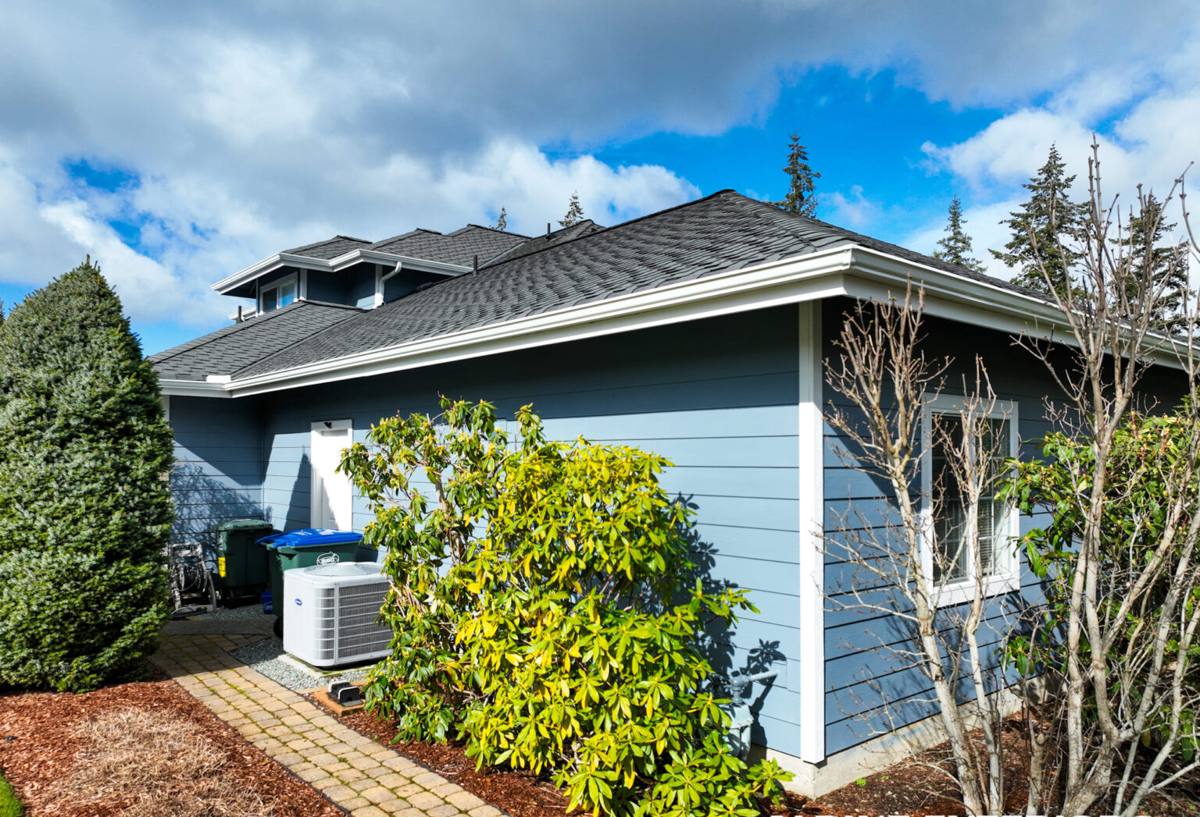
Signs a Sumas Roof Has Reached Replacement, Not Repair
Roof repairs make sense when the problem is isolated — a cracked pipe boot, a lifted shingle after a windstorm, a small flashing leak. Replacement becomes the honest recommendation once the roof's underlying materials are failing broadly, not just at one spot. Homeowners in Sumas typically start asking about full replacement when they notice:
- Granule loss heavy enough that shingles look bare or patchy in several areas, not just one slope
- Moss that keeps returning within a season or two of cleaning, especially on north-facing or shaded sections
- Soft spots, sagging, or visible movement in the roof deck when walked on
- Daylight or water stains in the attic near valleys, chimneys, or vent penetrations
- Shingles curling, cupping, or cracking, particularly on roofs approaching 18-20+ years old
- Repeated leak calls to the same general area even after patch repairs
Any one of these on its own might still be a repair. Two or three together, especially on an older roof, usually means the underlying materials are past the point where patching is a good use of money.
What a Correct Roof Replacement Actually Involves
A roof replacement is more than swapping old shingles for new ones. In a climate like this, the layers underneath the visible roofing material matter as much as the material itself.
Tear-Off and Deck Inspection
Every existing layer comes off down to the deck. This is the only point in the job where hidden damage — soft plywood, rotted sheathing around old leaks, undersized or missing ventilation — actually becomes visible. Any compromised decking gets replaced before anything new goes down; covering over a soft deck is how roofs fail early.
Underlayment and Ice/Water Protection
In areas that see prolonged wet weather like Sumas does, underlayment choice matters more than it would in a drier climate. Self-adhered ice-and-water membrane at eaves, valleys, and around penetrations gives a second line of defense where wind-driven rain and ponding are most likely, backed by synthetic underlayment across the rest of the deck.
Flashing Details
Flashing around chimneys, skylights, sidewalls, and valleys is where most roof leaks actually originate — not in the field of the shingles. New step flashing, counter-flashing, and valley metal, properly integrated with the underlayment rather than just caulked over old flashing, is a non-negotiable part of a correct replacement.
Ventilation
A roof deck that can't breathe traps moisture underneath it, which accelerates rot and feeds the kind of moss and algae growth that's already a challenge in this climate. Balanced intake and exhaust ventilation — not just a ridge vent added without matching intake — is part of doing the job right, not an upsell.
Choosing Roofing Materials for a Wet, Moss-Prone Climate
There is no single "best" roofing material for every home — the right choice depends on budget, roof pitch, how long the homeowner plans to stay, and how much long-term maintenance they want to take on. What we won't do is recommend a product based on price alone without being upfront about its trade-offs in a climate that stays wet as long as this one does.
| Material | Typical Lifespan | How It Handles Sustained Moisture | Maintenance Reality |
|---|---|---|---|
| Architectural asphalt shingle | 25-30 years | Good with proper underlayment and ventilation; algae-resistant granule options help slow staining | Periodic moss/debris removal, especially on shaded slopes |
| Standard 3-tab shingle | 15-20 years | Thinner profile sheds water fine but shows wear and granule loss sooner in prolonged wet conditions | Similar upkeep, shorter service life |
| Metal (standing seam or panel) | 40-50+ years | Sheds water and resists moss growth very well due to smooth, non-porous surface | Low; occasional fastener and seam checks |
| Cedar shake | 20-30 years with upkeep | Attractive but holds moisture in a climate like this, which shortens its practical life without diligent maintenance | High — regular treatment and moss control required |
We're honest with Sumas homeowners that cedar shake, while a good-looking traditional option, asks a lot of upkeep in a valley that stays damp this long each year. That's not a knock on the product — it's a maintenance and moisture-behavior trade-off worth knowing before you commit to it.
What Roof Replacement Costs Depend On
We won't quote a number without seeing the roof, but the honest range for a full residential replacement in this area is broad because so many variables move the price. The factors that matter most are:
| Factor | Why It Moves the Price |
|---|---|
| Roof size and number of planes | More squares and more complex geometry (valleys, dormers, hips) mean more material and labor |
| Pitch and accessibility | Steep or hard-to-reach roofs take longer and require more safety setup |
| Deck condition | Rotted or soft sheathing found during tear-off adds material and labor not visible in an initial estimate |
| Material choice | Standard asphalt, architectural asphalt, and metal carry different material and installation costs |
| Layers being removed | Tearing off two layers of old roofing costs more than one |
| Ventilation and flashing upgrades | Bringing intake/exhaust balance or flashing up to current standards adds scope but reduces future problems |
The only way to get an accurate number is a physical inspection — we walk the roof, check the attic, and give a written estimate based on what's actually there, not a phone-quote guess.
How Our Replacement Process Works
- Inspection and estimate. We walk the roof and check the attic for ventilation, moisture, and structural issues, then provide a clear written scope and price.
- Material selection. We go over the options honestly, including trade-offs for this climate, so the choice fits your budget and how long you plan to own the home.
- Scheduling around the weather. Roof replacement needs a dry work window. In Whatcom County that means planning around the wetter months and staging the job so the deck isn't left exposed longer than necessary.
- Tear-off and deck repair. Old roofing comes off, the deck is inspected, and any compromised sheathing is replaced before anything new goes down.
- Underlayment, flashing, and ventilation installed correctly. This is the part of the job that determines whether the roof performs well in five years, not just on install day.
- New roofing installed to manufacturer specification. Proper nailing patterns, exposure, and sealing — not shortcuts that void warranty coverage.
- Final walkthrough and cleanup. We check the finished roof with you and make sure the property is cleared of debris and nails.
Permits and Local Requirements
Roof replacement in Whatcom County typically requires a permit, and code requirements around ventilation, ice barrier placement, and fastening have been updated over the years. Part of doing this correctly is pulling the right permit and building to current code, not to whatever standard the roof was originally built to decades ago.
Moss, Debris, and Keeping a New Roof Healthy
A new roof in Sumas will still be exposed to the same long wet season and moss pressure as the old one — the goal of a correct replacement is to give the roof the drainage, ventilation, and materials to handle that pressure well, and then keep it maintained. A short seasonal checklist goes a long way:
- Clear gutters and valleys of needles and debris before the fall rains set in
- Trim back overhanging branches that keep shaded roof sections damp longer than they need to be
- Have moss growth treated or removed before it works under shingle edges, rather than after
- Check attic ventilation isn't blocked by insulation or debris, which traps moisture against the deck
- Schedule a roof check after any major windstorm to catch lifted or damaged material early
Why Hiring a Crew That Already Works in Sumas Matters
A roofing crew that works this part of Whatcom County regularly already knows how long the deck needs to dry between weather windows, which flashing details actually hold up to driving rain here, and how aggressively moss and algae come back on shaded northern slopes. That's not something you get from a crew passing through the area once. It also means we're accountable locally — if something needs a follow-up look after the first real storm season, we're not far away.
We'd rather walk your roof and tell you honestly whether you need a full replacement or just a targeted repair than sell a bigger job than you need. If it's time to talk about your roof, we're glad to come out for a free, no-pressure estimate — just use the form below to get started.