 Lynden Siding
 New-Construction Windows for Sumas, Built Before the Siding Goes On
Sumas sits out in Whatcom County's open farm country near the Nooksack Valley, and a new home going up out there faces a different set of weather problems than one being remodeled in town. Wide-open fields give wind-driven rain a long run at every wall before it hits a window opening. The marine air pushing in off the Salish Sea keeps everything damp for long stretches of the year, and that dampness is exactly what feeds Whatcom County's long moss season on roofs, siding, and anything else that stays wet without a chance to dry. New-construction windows are the one part of a build where getting the water management wrong is nearly invisible until years later — and by then the fix means tearing back siding and trim to find rot that started at the flashing.
We install new-construction windows for builders and homeowners working on new homes in and around Sumas, and we treat the opening itself — not just the window unit — as the thing we're being hired to get right.
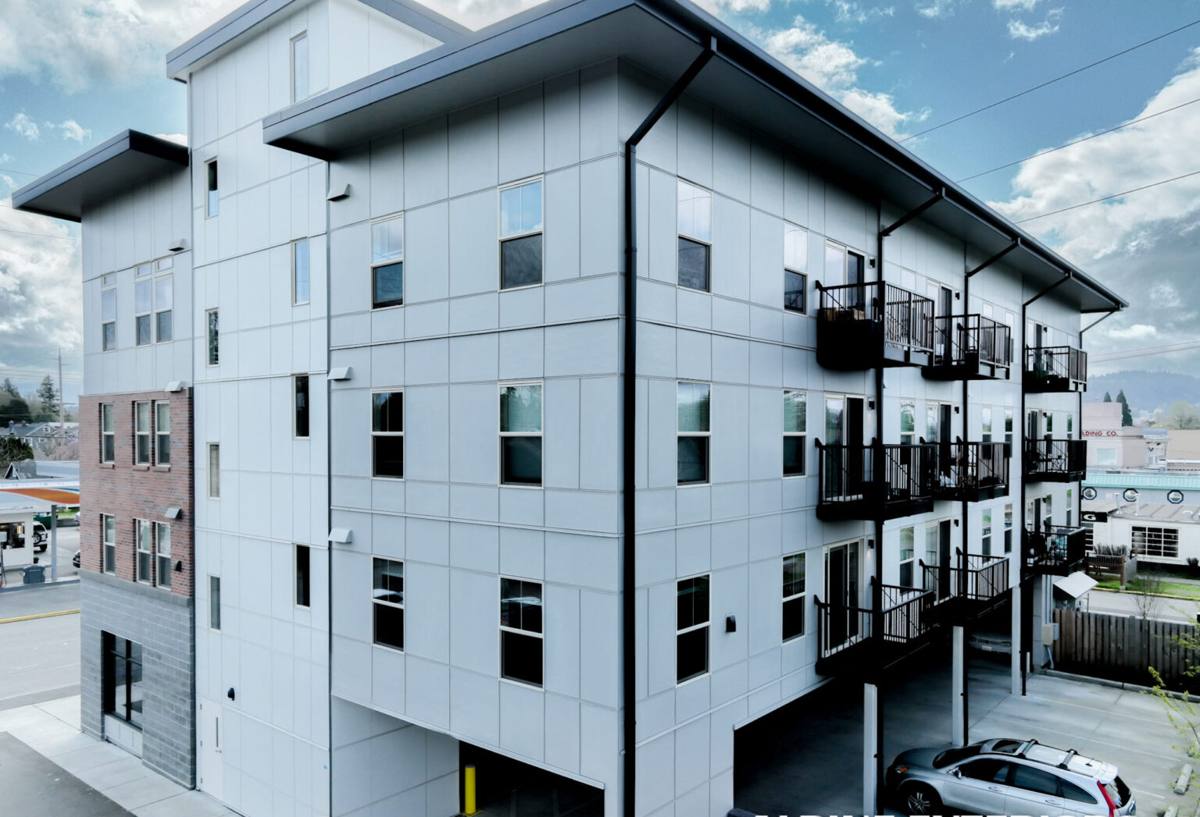
What "New-Construction Window" Actually Means
The term isn't marketing — it describes a specific type of window and a specific installation method, different from replacement or retrofit work.
Nail-fin vs. flush-fin (retrofit) frames
A true new-construction window has a nailing flange built into the frame. That flange gets integrated directly with the wall's weather-resistive barrier (housewrap) and flashing tape before siding or trim goes on, so water that gets past the cladding is directed out and away from the framing rather than trapped against it. Retrofit or flush-fin windows are designed to slip into an existing opening without disturbing the exterior wall — they solve a different problem and use a different flashing sequence. Using the wrong type, or installing a new-construction window without properly lapping the housewrap and tape over the fin, is one of the most common ways a brand-new home ends up with a water problem inside a wall that nobody can see from the outside.
Why sequencing matters
New-construction installation only works correctly if it happens in the right order relative to the rest of the building envelope: framing and rough openings complete, housewrap on and lapped correctly, then windows set and flashed, then siding and trim closing everything up on top. Skipping ahead or installing windows out of sequence with the WRB is how gaps get papered over instead of properly shingled.
What Whatcom County's Weather Actually Does to a New Opening
Sumas doesn't get hurricane-force storms, but it gets something arguably harder on a new build: long, sustained, wind-driven rain events with nothing to break the wind across open farmland, followed by weeks of damp, low-sun conditions that never quite let anything dry out. A few specific effects worth planning for:
- Wind-driven rain finds any flashing lap installed backward or any staple driven through the wrong layer of tape — problems that show up as staining or soft trim months or years later, not on day one.
- Marine air carries fine salt and moisture that accelerates corrosion on unprotected fasteners and hardware, which matters most on the parts of a window installation that get buried behind trim and can't be inspected later.
- Whatcom County's long moss and algae season means anything that stays damp — a poorly flashed sill, a caulk joint used as the only water barrier — grows moss and organic staining faster here than it would in a drier climate, and that growth holds moisture against the material even longer.
- Temperature swings between cold, damp mornings and mild afternoons drive condensation on window glass and frames, which is a performance issue (glazing and frame choice) as much as an installation issue.
Getting the Water Management Right
On a new build, the window opening gets one chance to be flashed correctly before it's covered by siding. The sequence we follow, regardless of window brand, is the same basic principle every reputable window manufacturer's installation instructions require:
- Sill pan flashing installed first, sloped to shed any water that reaches the sill back out over the WRB, not into the framing.
- Jamb flashing taped up both sides of the opening before the window is set.
- Window set into the opening, shimmed and fastened per the manufacturer's structural requirements.
- Head flashing installed last and lapped over the housewrap above the opening — never tucked under it — so water draining down the wall sheds over the top of the window, not behind it.
- Housewrap integration completed so every layer overlaps the one below it, shingle-style, all the way down the wall.
None of this is unusual or proprietary — it's standard water-managed wall construction. The part that actually determines whether it holds up in Sumas's weather is whether every lap and every piece of tape gets installed in the correct order, by someone who isn't rushing to get to the next opening.
What we check before we call an opening finished
- Sill pan slopes outward with no low spots or reverse laps.
- Flashing tape is fully adhered — no fish-mouths, no gaps at corners.
- Window is plumb, level, and square before final fastening, so weatherstripping seals properly for the life of the window.
- Head flashing laps over the WRB above, confirmed before trim covers the joint.
- Fasteners are corrosion-resistant and rated for the window and cladding being used.
Choosing the Right Window for a New Sumas Build
Frame material affects how a window handles years of damp marine air and how much upkeep it asks for afterward. There's no universally "best" choice — it depends on budget, the home's design, and how much maintenance the owner wants to take on.
| Frame Material | Moisture Behavior | Maintenance | Relative Cost | Best Fit |
|---|---|---|---|---|
| Vinyl | Won't rot; performs consistently in damp climates | Low — no painting or sealing | Lowest | Budget-conscious new builds, rental or spec homes |
| Fiberglass | Excellent moisture and dimensional stability; expands/contracts less than vinyl in temperature swings | Low | Mid-to-higher | Owners who want long-term stability and are staying put |
| Wood-clad / aluminum-clad | Good if flashing and finish are maintained; exposed wood interior faces need occasional attention | Higher — finish and joints need periodic inspection | Highest | Design-driven builds prioritizing interior wood appearance |
Whatever frame material a homeowner or builder chooses, we'll say the same thing honestly: the flashing and installation sequence matters more to how the window performs over the next twenty years in this climate than the brand name on the sticker.
Energy Performance in a Marine Climate
Washington's energy code sets minimum performance requirements for new-construction windows — U-factor for heat loss and solar heat gain coefficient (SHGC) for solar gain — and those requirements are part of what gets checked at inspection on any new build in Whatcom County. Beyond meeting code, a few performance factors are worth discussing with whoever is speccing windows for a Sumas build:
- U-factor: Lower numbers mean less heat loss through the glass and frame — worth prioritizing given how many months of the year Sumas runs cool and damp.
- SHGC: Lower solar heat gain matters more on south- and west-facing glass that gets direct sun exposure; less critical on north-facing openings.
- Condensation resistance: A window's ability to resist interior condensation matters in a climate with the temperature and humidity swings this region sees, especially in bedrooms and bathrooms.
How We Work With Builders and Owners on New Construction
Most of our new-construction window work in Sumas comes through coordinating directly with a general contractor's schedule rather than an independent homeowner call, though we work both ways. Typically that looks like:
- Reviewing the window schedule and rough opening sizes against the plans before anything ships, to catch sizing or spec issues before the units arrive on site.
- Timing our install for right after housewrap goes on and before siding starts, so flashing integration happens in the correct sequence rather than being retrofitted around finished exterior work.
- Photographing flashing and sill pan work at each opening before it's covered, so there's a record of what's behind the trim if it's ever needed later.
- Coordinating with the framer, sider, and any inspector on the builder's timeline instead of working in isolation.
Why a Crew That Already Works in Sumas Makes a Difference
New-construction window installation isn't complicated in theory — the manufacturer's instructions spell out the flashing sequence. What actually separates a good install from a problem one is attention to a dozen small details across every opening in the house, done consistently, by people who understand why each step matters in this specific climate. A crew that's already worked on builds in and around Sumas knows what the wind exposure across open farmland does to a wall, knows how long the moss season runs and what that means for anything installed with a shortcut, and has already worked out a rhythm with local builders and Whatcom County's inspection process. That familiarity shows up as fewer surprises during framing and siding, not just in the finished look of the windows.
Questions worth asking any installer before new windows go in
- Will you use sill pan flashing on every opening, and can you show me the sequence before it's covered by trim?
- Are you using nail-fin, new-construction windows integrated with the housewrap — not a flush-fin retrofit unit?
- What U-factor and SHGC ratings do the specified windows carry, and do they meet Washington's current energy code for this project?
- Will fasteners and flashing tape be rated for long-term exposure to damp, marine-influenced conditions?
- Can you coordinate directly with my builder's schedule so windows go in at the right point in the build sequence?
If you're building new in Sumas or working with a builder who needs a window crew that understands this area's weather and does the flashing right the first time, we're glad to walk the plans with you and put together a straightforward, no-pressure estimate — just fill out the form below.