 Lynden Siding
 Windows Built for Maple Falls' Wet, Wooded Climate
Maple Falls sits in the foothills east of Lynden, tucked into forest and river valley terrain that holds moisture longer than the open flatland closer to town. Homes here deal with driving rain off the mountains, heavy tree cover that keeps siding and trim damp, and a moss season that can stretch from fall through spring. Windows take the brunt of it. A window opening is the single biggest interruption in a wall's weather barrier, and if it isn't flashed, sealed, and installed correctly, water finds its way in long before anyone notices a problem.
This page covers window installation specifically for Maple Falls homes — what the climate does to windows over time, what a correct installation actually requires, and what to look for when you're hiring someone to do it.
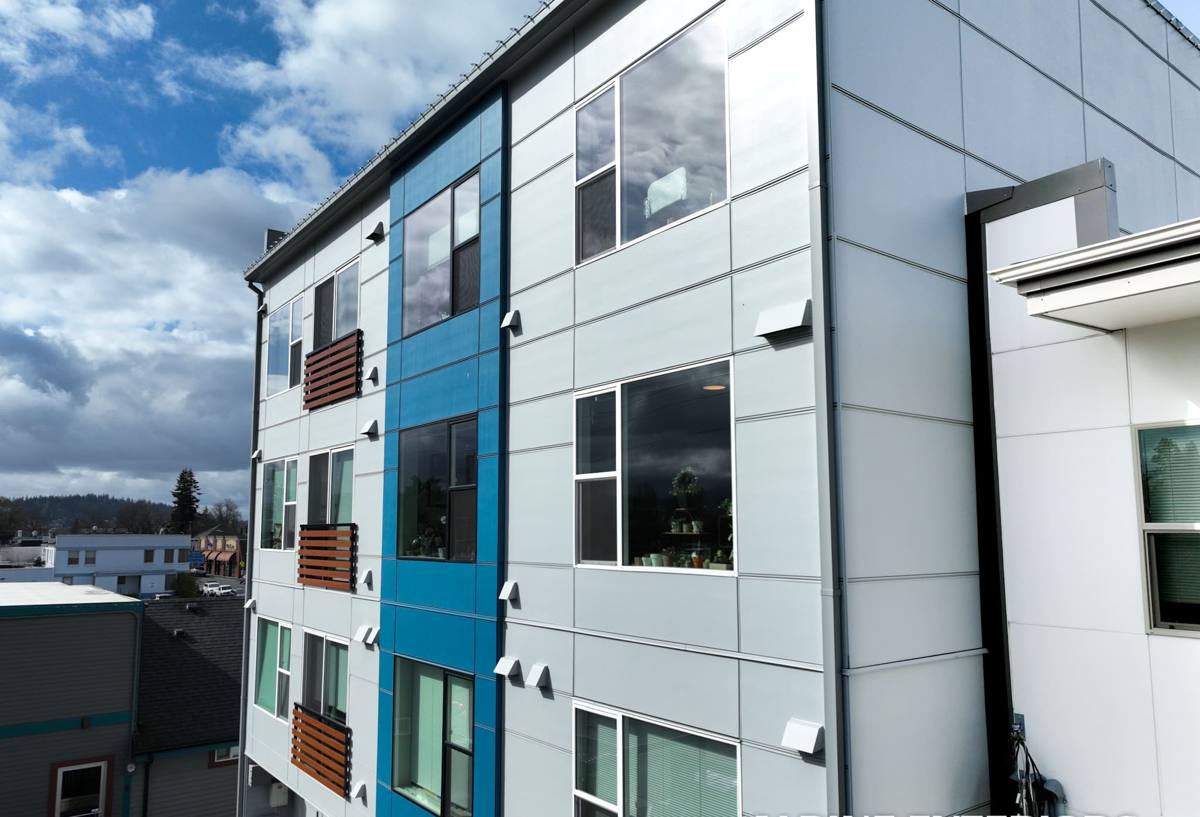
What Constant Moisture Does to a Window Over Time
Driving Rain and Wind-Driven Water
Rain that falls straight down is easy to shed. Rain that's pushed sideways by wind — common in this part of Whatcom County — gets forced up under trim, into nail fins, and behind poorly lapped house wrap. A window that was installed without a proper sill pan or flashing sequence can look fine for years while water is quietly working its way into the wall cavity below it.
Moss, Shade, and Trapped Moisture
Heavy tree cover means less direct sun on siding and trim, which means surfaces around windows stay damp longer after every storm. Moss and algae take hold on north-facing trim, sills, and anywhere caulk has started to fail. Once moss gets a foothold near a window opening, it holds water against wood and trim board, which accelerates rot at exactly the spot you least want it.
None of this means Maple Falls homes need exotic materials — it means the installation details have to be right, every time, because the climate doesn't give a bad seal much time to fail quietly.
Signs Your Maple Falls Home Needs New Windows
- Fogging or a permanent haze between panes — the seal on the insulated glass unit has failed
- Soft or discolored trim or sill wood, especially on north- or west-facing windows
- Drafts you can feel near the frame even when the window is fully latched
- Windows that are difficult to open, close, or lock — frames have shifted or swollen
- Visible gaps in exterior caulk or trim, or moss growing directly against the window frame
- Noticeably higher heating bills with no other explanation
- Condensation forming on the inside of the glass regularly during cold, wet weeks
One or two of these on a single window is normal wear. Several of them across multiple windows usually means it's time to plan a replacement rather than keep patching.
What a Correct Window Installation Actually Involves
Window installation looks simple from the outside — old window out, new window in — but the parts that actually determine whether it holds up in this climate happen before the new window ever goes in the opening.
| Installation Step | What It Prevents |
|---|---|
| Sill pan flashing, sloped to drain outward | Water that gets past the window from pooling in the rough opening and rotting the framing |
| Proper flashing lap sequence (bottom to top, tucked under house wrap above) | Water running down the wall from getting behind the flashing instead of over it |
| Backer rod and quality exterior sealant at the right joints | Wind-driven rain forcing its way through gaps around the frame |
| Shimming and squaring the frame before fastening | Windows that bind, won't latch, or stress the glass seal over time |
| Insulating the gap between frame and rough opening without overpacking | Drafts on one side, or a bowed frame from too much expanding foam |
| Interior air sealing and trim reinstallation | Warm, moist indoor air reaching cold glass and causing interior condensation |
Skip or rush any one of these steps and the window can still look fine on installation day. The problems that show up are usually hidden — rot inside a wall cavity, a slow drip behind trim — and by the time they're visible, the repair is bigger than a window replacement would have been.
Choosing a Window That Can Handle This Climate
Frame material matters less than installation quality, but it's not irrelevant. Here's how the common options hold up under the kind of sustained moisture and shade Maple Falls homes deal with.
| Frame Material | Moisture Behavior | Maintenance |
|---|---|---|
| Vinyl | Won't rot or absorb water; performs consistently in wet, shaded conditions | Low — occasional cleaning |
| Fiberglass | Very stable, resists swelling and warping in damp conditions | Low — durable finish, minimal upkeep |
| Wood or wood-clad | Attractive but requires an intact exterior finish to keep moisture out of the wood core | Higher — periodic finish maintenance and inspection |
| Aluminum | Durable frame but conducts heat and cold, which increases condensation risk on interior surfaces | Low, but condensation control matters more |
We install a range of manufacturers rather than pushing one brand, because the right choice depends on the home's style, budget, and how exposed the openings are to weather. What we won't do is install a product where the maintenance burden doesn't match how a homeowner actually wants to live with it — that's a conversation we have honestly, up front, not a sales pitch.
Our Window Installation Process
- On-site assessment. We look at each opening individually — sun exposure, tree cover, current signs of water intrusion or rot — not just the window itself.
- Measuring and product selection. Accurate measurements and a frame material and glass package suited to that specific opening.
- Removal and rough opening inspection. We check the framing and sheathing behind the old window before anything new goes in. If there's hidden rot, we deal with it then, not after.
- Flashing and sill pan installation. Built to shed water outward, not trust it to caulk alone.
- Setting, shimming, and fastening the window. Level, square, and properly anchored to the framing.
- Sealing and insulating. Exterior sealant at the right joints, appropriate insulation in the gap, no shortcuts.
- Trim and interior finish work. Restored to match the surrounding wall and finished cleanly.
- Final walkthrough. Every window operated and checked before we consider the job done.
What Affects the Cost of Window Installation
Every home is different, and we won't quote a number without seeing the actual openings, but the biggest cost drivers are consistent across most Maple Falls jobs.
| Factor | Why It Matters |
|---|---|
| Window size and type (standard, bay, custom shapes) | Larger and non-standard windows cost more in materials and labor |
| Full-frame vs. insert replacement | Full-frame replaces the entire unit down to the framing; inserts fit into a sound existing frame and cost less, but only work when the existing frame is truly in good shape |
| Hidden rot or framing damage | Not discovered until the old window is out — common on north- or west-facing openings in shaded homes |
| Frame material and glass package | Vinyl, fiberglass, and wood-clad options carry different price points, as do double- vs. triple-pane glass |
| Number of windows done at once | Bundling multiple windows into one project typically reduces the per-window labor cost |
Why a Crew That Already Works Maple Falls Matters
Maple Falls homes tend to have specific patterns of wear — heavier moss and algae on shaded elevations, more sustained dampness around trim than you'd see on a more exposed Lynden lot, and rough openings that have sometimes been patched by a previous owner rather than properly repaired. A crew that regularly works this part of Whatcom County recognizes those patterns immediately instead of treating every job as a first guess. That matters most at the removal stage, when hidden rot either gets caught and fixed or gets sealed back up behind a new window and left to keep spreading.
It also matters for realistic scheduling. Wet-weather windows in this area are narrower than homeowners sometimes expect, and a crew familiar with the area plans installation timing around it rather than rushing a job during a downpour.
After Installation: Keeping Windows Performing
A correctly installed window still benefits from basic upkeep, especially in a climate this wet:
- Rinse pollen, moss spores, and debris off sills and trim a couple of times a year
- Check exterior caulk lines annually and touch up any cracking before it becomes a leak path
- Keep gutters and downspouts clear so roof runoff isn't dumping extra water near window heads
- Trim back branches or foliage that keep a window in constant shade and dampness
- Address any new condensation, drafts, or sticking promptly rather than waiting
If you're weighing window replacement for a Maple Falls home, we're happy to take a look, walk you through what we see, and put together a straightforward, no-pressure estimate — just fill out the form below.