 Lynden Siding
 Deck Repair Built for Laurel's Weather, Not Just the Average Pacific Northwest Deck
Laurel sits in the part of Whatcom County where marine air off the Salish Sea, near-constant fall and winter rain, and long stretches of shade combine to put decks through a slower but steadier kind of stress than most homeowners expect. A deck here doesn't usually fail because of one bad storm. It fails because moisture, salt-laden air, and moss get into the same joints, fastener heads, and end grain year after year until something finally gives. Repairing a deck correctly in this area means understanding that pattern, not just patching whatever board looks bad this month.
We work on decks throughout the Lynden area, and Laurel's mix of tree cover, low-lying yards, and older deck stock means we see the same handful of failure points over and over. This page walks through what actually goes wrong, what a proper repair involves, and how we approach the work so it holds up through the next few wet seasons instead of needing attention again next year.
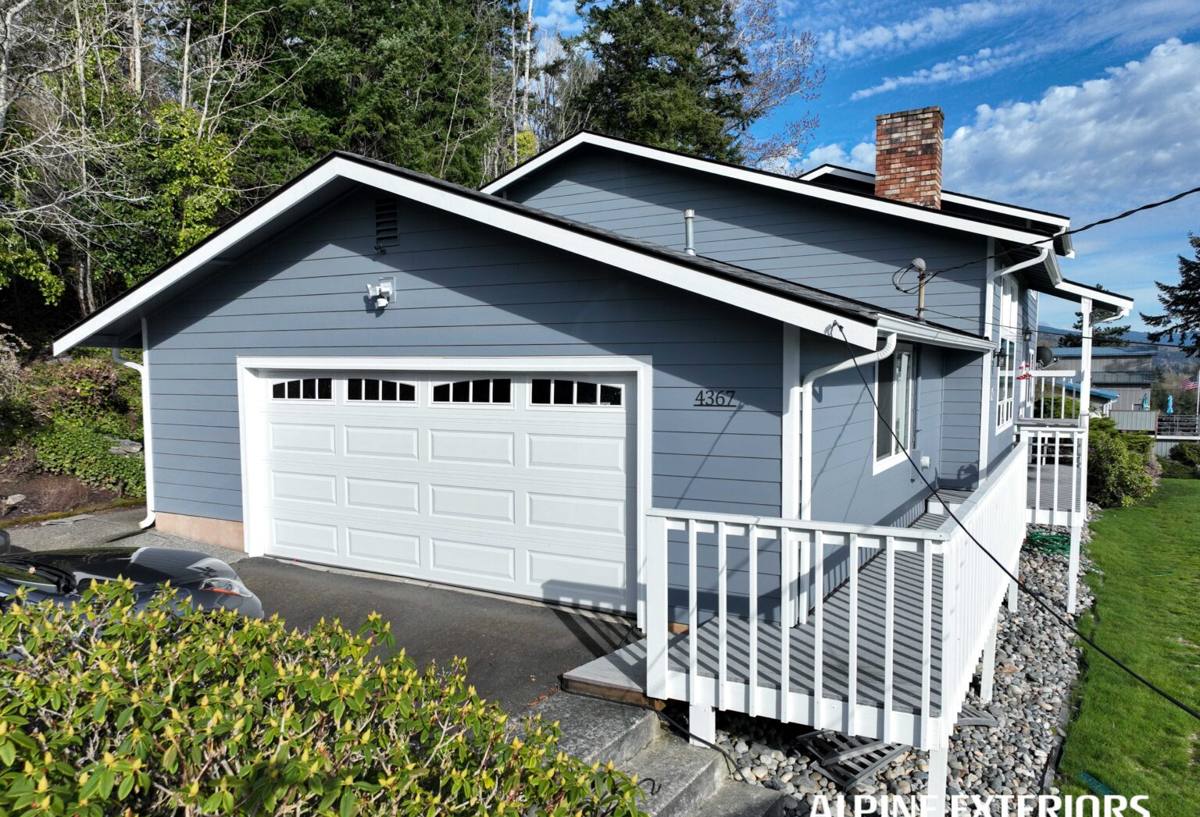
Why Laurel Decks Take a Beating
Three regional factors do most of the damage to decks in this part of Whatcom County:
- Salt air. The marine air that moves inland off the Salish Sea carries fine salt content that accelerates corrosion on fasteners, hardware, and metal railing components — especially where coatings have worn thin.
- Driving rain. Wind-driven rain doesn't just fall on a deck's surface, it gets pushed sideways into ledger boards, rail post connections, and stair stringers where water was never designed to sit.
- A long moss season. Shaded and north-facing decks stay damp for weeks at a time, giving moss and algae a long runway to establish on boards and in the gaps between them, holding moisture against the wood long after the rain has stopped.
None of these on their own destroys a deck quickly. Together, over several seasons, they're the reason a deck that looks fine from the yard can have soft framing underneath, corroded fasteners in the rail, or rot starting at the ledger where the deck meets the house.
Signs Your Deck Needs Repair, Not Replacement
Most decks we're called out to in the Laurel area don't need to be torn out and rebuilt. They need targeted repair to the specific components that are failing. Here's what typically points to a repair rather than a full replacement:
- Soft or spongy spots in individual boards, while the framing underneath still feels solid when tested
- A rail that wiggles or feels loose at the post connections, even if the balusters themselves are fine
- Visible moss or algae staining concentrated on shaded sections rather than the whole deck
- Rust streaks below fastener heads or hardware, especially on older screws and nails
- Stair stringers or treads that flex more than they used to
- Gaps opening up where the deck ledger meets the house, sometimes with water staining on the siding just above
If the framing, posts, and footings are structurally sound and the damage is limited to boards, rails, fasteners, or surface finish, repair is almost always the more honest recommendation — both for your budget and for how much usable deck life is left in the structure.
What a Proper Deck Repair Actually Involves
Framing and Structure
Before we touch a single board, we check the joists, beams, posts, and ledger connection. This is the part of a deck that's hardest to see and easiest for a quick patch job to skip. A ledger that's pulling away from the house or joists with soft spots near the rim get addressed first, because everything fastened on top of them only lasts as long as the structure underneath.
Decking Boards
Individual boards get replaced where rot, splitting, or moss damage has gone past the surface. We match spacing and fastening pattern to the existing deck so the repair doesn't stand out as a patchwork of mismatched sections.
Rails and Stairs
Rail posts take a lot of lateral stress and are one of the first things to loosen as fasteners corrode or wood around the post base softens. Stair stringers see concentrated foot traffic and, in shaded spots, some of the heaviest moss buildup on the whole deck. Both get inspected for flex and re-secured or rebuilt as needed to meet a safe, solid feel underfoot.
Fasteners and Hardware
In a climate with this much salt-laden, wet air, corroded fasteners are one of the most common — and most overlooked — reasons a deck starts to feel loose. Swapping worn hardware for corrosion-resistant fasteners rated for exterior and coastal-influenced conditions is a standard part of any repair we do, not an upsell.
Repair vs. Replace: How We Decide
| Condition Found | Typical Recommendation | Why |
|---|---|---|
| Solid framing, a few damaged boards | Repair | Structure is sound; only surface components need replacing |
| Loose rail posts, corroded hardware | Repair | Localized fix restores safety without touching the deck field |
| Soft ledger board or rim joist | Repair, addressed first | Structural connection to the house must be solid before anything else |
| Widespread rot across multiple framing members | Replace | Repeated patching costs more over time than a rebuild |
| Original build lacked proper flashing at the ledger | Case-by-case | Sometimes correctable in place; sometimes requires a rebuild to do right |
We'll always tell you plainly which category your deck falls into, and why, before any work starts.
Our Deck Repair Process
- Full inspection. We check framing, ledger, posts, rails, stairs, and every board — not just the spot you called about.
- Written scope. You get a clear list of what needs repair, what's optional, and what we'd flag for future attention.
- Repair the structure first. Framing, posts, and ledger connections get addressed before any surface work.
- Replace damaged components. Boards, rails, stair parts, and hardware are replaced to match the existing deck as closely as possible.
- Final check. We test rails and stairs for flex, confirm fasteners are secure, and walk the deck with you before calling it done.
Moss, Algae, and Long-Term Deck Care
A long moss season is one of the defining features of decks in this part of Whatcom County, and it's worth treating as an ongoing maintenance item rather than a one-time cleanup. Moss holds moisture directly against wood fibers, and over a full winter that moisture exposure is what turns a cosmetic issue into a rot problem. Part of our repair work often includes simple, practical steps that reduce how fast moss comes back:
- Keep gaps between boards clear of debris so water and airflow can move through properly
- Trim back overhanging branches where possible to let more sun and air reach shaded sections
- Rinse or gently clean heavy moss buildup before it has a chance to establish through a full wet season
- Check fastener heads periodically for early rust, especially on rail posts and stair connections
- Inspect the ledger-to-house connection once a year, since that's the spot most protected from view and most exposed to trapped moisture
None of this replaces a professional inspection, but a homeowner who stays ahead of moss and debris buildup genuinely gets more years out of a repaired deck.
Materials We Use and Why
For repairs, we typically match the existing decking material so the fix blends in and performs consistently with the rest of the structure. When a homeowner is open to it, we'll also talk through where a different material might make sense for a section that keeps failing — for example, swapping a few chronically shaded, moss-prone boards for a composite option that handles standing moisture better than untreated wood.
We're honest about the trade-offs either way. Wood is easier to spot-repair and blends seamlessly with an existing deck, but it needs more regular upkeep in a wet climate. Composite resists moisture and moss better but can be harder to patch invisibly and comes with its own installation sensitivities, particularly around proper spacing and fastening for expansion. We'll walk you through what fits your deck and your maintenance preferences rather than pushing one material as a default.
Why a Local Laurel-Area Crew Matters
Deck repair done by a crew that already works this part of Whatcom County isn't just a convenience — it changes what gets caught. We know which framing details tend to fail first on decks built to older standards, how far salt-influenced marine air actually reaches inland into neighborhoods like Laurel, and which shaded lot layouts turn into chronic moss problems. That local pattern recognition means a faster, more accurate inspection and a repair scope that addresses the actual cause instead of just the visible symptom.
It also means we're not guessing at how a repair will hold up through this area's rain and moss season — we've seen the same fixes go through multiple winters on decks nearby.
Get a Free, No-Pressure Estimate
If your deck in Laurel or elsewhere around Lynden has a soft board, a loose rail, or just feels like it's not holding up the way it used to, we're happy to take a look. Fill out the form below for a free estimate — no pressure, just a straight assessment of what's actually going on and what it would take to fix it right.