 Lynden Siding
 Fiber Cement Siding Built for Kendall's Weather, Not Just Its Curb Appeal
Kendall sits back from the coast, in the river valley and foothill country north and east of Lynden, but that doesn't mean the weather goes easy on a house. Whatcom County's marine climate reaches every corner of it: long wet seasons, driving rain that comes in sideways off the wind, humidity that lingers under tree cover, and a moss season that can run most of the year on a shaded wall. Add in the salt-tinged air that moves inland off the Salish Sea and settles into the county's low valleys, and you've got conditions that are hard on paint, hard on wood, and unforgiving of any siding installed with shortcuts.
We install James Hardie fiber cement siding exclusively, and Kendall is one of the areas where that decision gets tested every winter. A siding system that isn't engineered for this kind of sustained moisture exposure, or installed without the moisture-management details that matter here, doesn't fail gracefully. It fails at the seams, behind the trim, and often out of sight until the damage is already inside the wall.
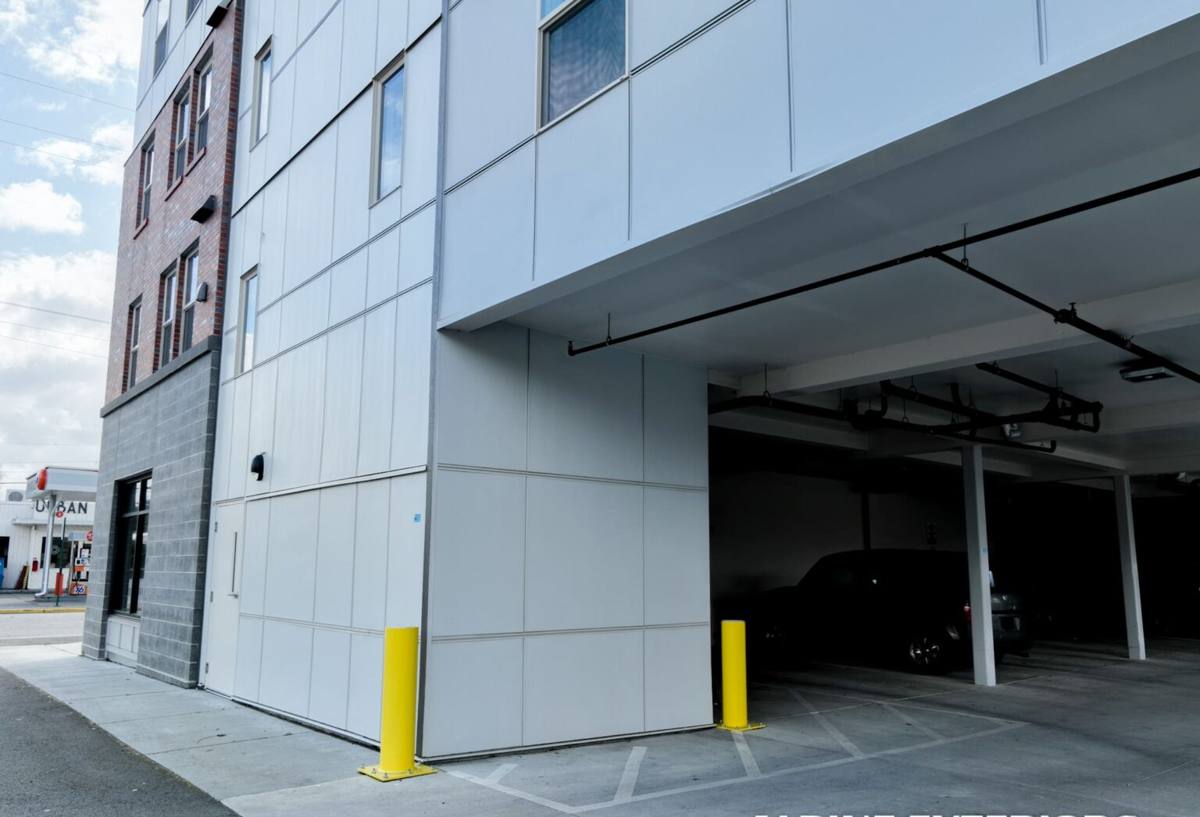
What Kendall's Climate Actually Does to a House
Moss and Shade
Much of Kendall is wooded or borders wooded land, and shaded north- and west-facing walls stay damp far longer after a storm than an open, sun-exposed wall would. That constant dampness is exactly what moss and mildew need to establish themselves. On wood-based siding products, moss holds moisture against the surface and accelerates rot from the outside in. On a properly installed fiber cement wall, moss is a cosmetic problem you can wash off, not a structural one.
Driving Rain and Wind-Driven Moisture
Storms in this part of Whatcom County don't just fall straight down — wind pushes rain sideways into wall assemblies, especially on exposed gable ends and second-story walls. That means water is being forced at seams, laps, and penetrations, not just running off a roof. Siding that isn't lapped, caulked, and flashed correctly at every one of those points will eventually let water behind it, regardless of how good the surface material is.
Seasonal Temperature Swings
Kendall tends to see colder overnight temperatures than areas closer to the water, especially up in the foothills, which means more freeze-thaw cycling on any moisture that does get trapped behind siding. Materials that absorb water and then freeze are working against themselves every winter.
Why Fiber Cement Is the Right Material for This Environment
James Hardie fiber cement siding is manufactured from cement, sand, and cellulose fiber. It doesn't have the wood content that gives moss and rot something to feed on, and it doesn't swell, cup, or delaminate the way wood-based or wood-composite sidings can when they stay wet for extended periods. It's also non-combustible, which matters in a county where wildfire smoke and dry-season fire risk have become a bigger part of summer than they used to be.
Hardie's HZ5 product line is engineered specifically for climates like ours: freeze-thaw cycling, sustained moisture, and temperature swings are part of the design spec, not an afterthought. That's a meaningful difference from siding products designed around a national average climate rather than a Pacific Northwest one. It's also the core reason we don't install LP SmartSide, vinyl, or primed wood siding. Those products can perform fine in drier, milder regions, but they ask a lot more of the maintenance schedule and the installation detailing to hold up out here, and a missed detail shows up as a callback two winters later, not on day one.
Fiber Cement Product Lines We Install
| Product | Best Use | Why It Fits Kendall |
|---|---|---|
| HardiePlank lap siding | Primary wall covering, most home styles | Traditional lapped profile sheds wind-driven rain when installed with correct overlap and flashing |
| HardiePanel vertical siding | Modern facades, accent walls, gable ends | Fewer horizontal laps on high-exposure walls means fewer places for driving rain to collect |
| HardieShingle siding | Accent gables, dormers, craftsman-style detailing | Adds texture and shadow line without introducing wood-shingle moisture risk |
| HardieTrim boards | Corners, window and door trim, fascia | Matches the siding's moisture resistance so trim doesn't become the weak point |
All of it comes with Hardie's factory-applied ColorPlus finish, baked on under controlled conditions rather than field-applied. That matters in a climate where field-painted surfaces have a narrow weather window to cure properly. ColorPlus removes that variable entirely and holds color and sheen far longer than a job-site paint job exposed to Whatcom County humidity during the finish process.
What Correct Installation Looks Like on a Kendall Home
Drainage Plane and Rainscreen Gap
Behind the siding, a correctly built wall has a weather-resistive barrier and, ideally, a rainscreen gap that lets any moisture that does get past the siding drain and dry out instead of sitting against the sheathing. This is the single most important detail on a house exposed to Kendall's rain patterns, and it's invisible once the job is done, which is exactly why it's the detail that gets skipped by crews trying to save time.
Fastening and Butt Joints
Hardie specifies fastener type, spacing, and placement for a reason. Under-driven or over-driven nails, or fasteners in the wrong location on the plank, create entry points for water and can void the manufacturer warranty. Butt joints where two boards meet need to be flashed or sealed correctly, not just butted and caulked over, because caulk alone is a maintenance item, not a permanent seal.
Clearances and Flashing
Siding needs proper clearance from the roofline, deck surfaces, and grade, and every window, door, and penetration needs head flashing that directs water out and away from the wall assembly. On wooded lots with grade that slopes toward the house, which is common around Kendall, that clearance detail is often what determines whether the bottom courses of siding last twenty years or five.
Our Installation Process
- On-site walkthrough and assessment of your home's current siding, trim, moisture exposure, and shaded areas
- Written estimate covering product lines, colors, and any trim or repair work the walls need before siding goes on
- Removal of old siding and inspection of the sheathing underneath for hidden rot or moisture damage
- Repair of any compromised sheathing before the weather barrier goes back up — we don't install over a problem
- Weather-resistive barrier and rainscreen installation, then Hardie siding, trim, and flashing installed to manufacturer spec
- Final walkthrough so you can see the completed work and ask questions before we consider the job done
Cost Factors for a Kendall Siding Project
Every home is different, but the factors that move the price on a Kendall project tend to be the same handful of things:
| Factor | Why It Matters |
|---|---|
| Extent of sheathing repair needed | Wooded, shaded lots see more hidden moisture damage behind old siding, which adds repair scope before new siding can go on |
| Home size and wall complexity | More corners, gables, and dormers mean more trim, more cuts, and more labor |
| Product mix | Straight lap siding is generally more economical than combining panel, shingle accents, and custom trim |
| Access and site conditions | Sloped, wooded, or rural lots can affect staging, scaffolding, and material delivery |
| Color and finish selection | Standard ColorPlus colors versus custom or premium finishes affect material cost |
We give a written, itemized estimate before any work starts, and we walk you through what's driving the number line by line rather than handing over a lump sum with no explanation.
Living With Fiber Cement Siding in a High-Moss Environment
Fiber cement is low-maintenance, not maintenance-free, and in a climate like Kendall's, a little attention goes a long way:
- Rinse shaded, moss-prone walls with a garden hose once or twice a year — a low-pressure rinse, not a pressure washer, which can force water behind properly lapped siding
- Keep gutters clear so overflow isn't running down the wall face during heavy storms
- Trim back vegetation and tree limbs that keep a wall section shaded and damp longer than the rest of the house
- Inspect caulking at trim joints and penetrations every year or two and re-seal if it's cracked or pulling away
- Refresh caulk lines as needed — the ColorPlus finish itself holds up far longer than field paint, but sealant is a wear item on any siding system
Why Hire a Crew That Already Works in Kendall
A crew that's worked this specific area already knows which walls on a typical Kendall lot stay shaded and wet longest, how the local rain moves against a house, and what the ground and sheathing tend to look like once the old siding comes off a home that's been standing through a few decades of Whatcom County winters. That's not something you get from a general contractor working off a spec sheet. It's local experience that shows up in the details you don't see after the job is finished: the flashing behind the trim, the fastener pattern, the rainscreen gap that lets the wall dry out instead of trap water.
We stand behind our work with installation that follows Hardie's specifications to the letter, because in this climate, the manufacturer's warranty is only as good as the installation underneath it.
If your Kendall home needs new siding, or you're not sure whether what's on the walls now is holding up the way it should, we'll come take a look. Estimates are free, there's no pressure, and you'll get a straight answer about what your home actually needs — use the form below to get started.