 Lynden Siding
 Why Window Installation Works Differently in Ferndale
Ferndale sits close enough to Bellingham Bay and the Strait of Georgia that salt-laden air is a real factor for anything installed on the exterior of a home, windows included. Add in the driving, wind-pushed rain that blows through Whatcom County most of the fall and winter, plus a moss season that can stretch for months on shaded or north-facing walls, and you have a climate that is genuinely harder on window installations than most manufacturers' install guides assume. A window that's a perfectly good product can still fail early here if it wasn't set, flashed, and sealed with this specific combination of moisture and salt exposure in mind.
This isn't a reason to over-engineer a simple job. It's a reason to get the basics right every time: correct flashing sequence, the right sealants for a marine climate, and attention to drainage so water has somewhere to go instead of somewhere to sit.
What Local Homes Actually Need From New Windows
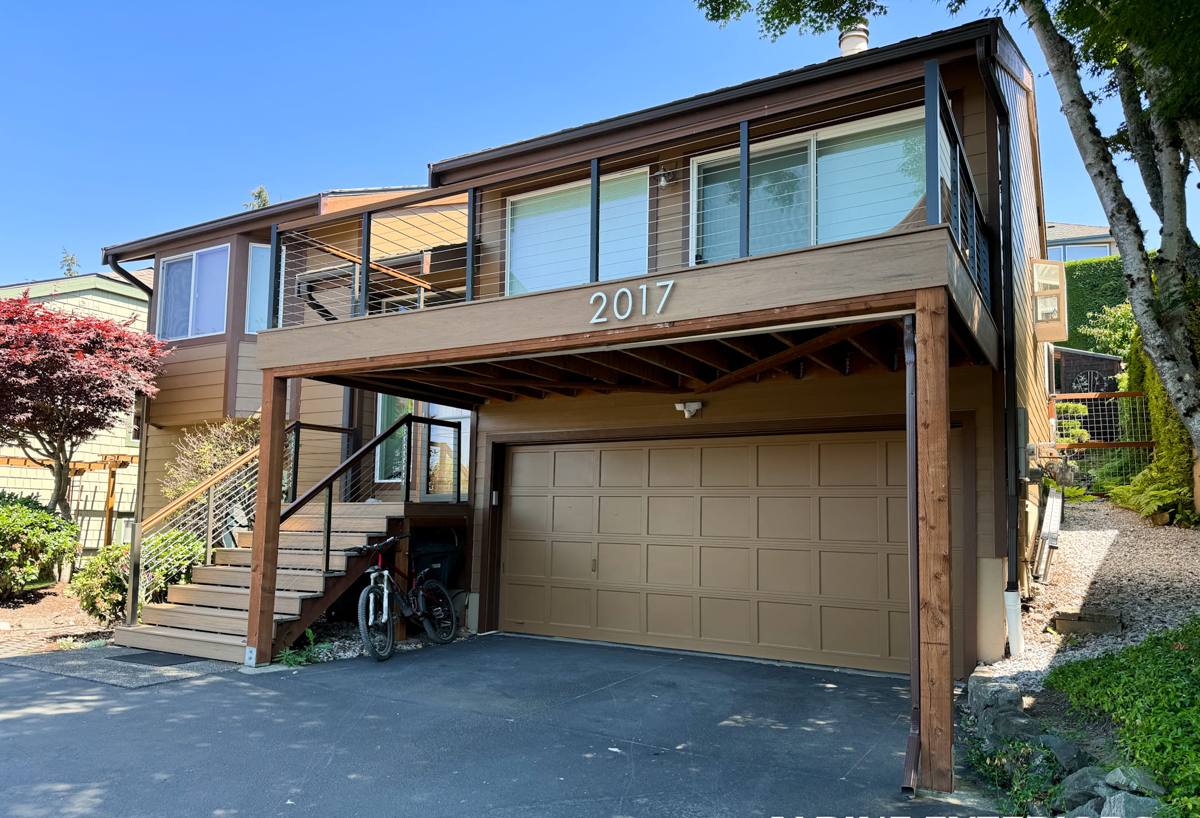
Ferndale's housing stock is a mix of older farmhouses and ranch homes, newer developments, and everything in between. Older homes often still have original single-pane or early double-pane windows with wood frames that have taken decades of damp winters. Newer homes usually have vinyl windows that are reaching the point where seals start to fail. Both situations call for different priorities:
- Older wood-frame homes: Usually need full-frame replacement because the surrounding wood has absorbed moisture over the years and the rough opening needs to be inspected and often repaired before a new window goes in.
- Newer vinyl-window homes: Often can use an insert (pocket) replacement if the existing frame is still sound, which is faster and less invasive.
- Homes on more exposed lots: Properties with more open exposure to wind and weather off the water benefit from extra attention to flashing and sealant detail regardless of window type.
Part of doing this job right is telling you honestly which category your home falls into before any work starts, not after.
Signs Your Windows Are Already Failing
Whatcom County's damp climate tends to show window problems earlier than it would in a drier region. Here's what we look for, and what you can check yourself:
- Fogging or a milky haze between the panes of a double-pane window — the seal has failed and the insulating gas has escaped
- Soft or discolored wood at the sill or bottom corners of the frame, especially on windows facing prevailing weather
- Persistent drafts you can feel with a hand near the frame on a windy day
- Windows that are hard to open, close, or lock, which often means the frame has shifted or swollen
- Visible gaps in exterior caulking or trim, or paint that's bubbling and peeling near the window edges
- Green or black growth building up in the corners of the frame or on the sill, a sign moisture is sitting there rather than draining away
Any one of these on its own isn't an emergency. Several of them together, especially on the sides of the house that take the worst weather, usually mean it's time to plan a replacement before hidden rot spreads into the wall framing.
What a Correct Installation Actually Involves
Removal and Opening Inspection
The old window comes out carefully so we can see the actual condition of the rough opening — the wood framing, the sheathing, and any existing flashing. This is the point where hidden water damage from a previous poor install often shows up. It gets addressed here, not covered over.
Flashing and Weatherproofing
This is the step that determines whether the window survives Ferndale's driving rain for the next 20-plus years. Proper flashing overlaps in the right order — sill pan first, then side flashing, then the head flashing lapping over the top — so that any water that gets behind the siding is directed back out, never trapped against the wood framing.
Setting, Shimming, and Sealing
The window gets shimmed so it's square and plumb, not just wedged into the opening. Insulation goes around the frame to stop air movement without overpacking, which can bow the frame. Exterior sealant is applied at the joints designed to be sealed — and, just as important, left open at the joints designed to drain, so water doesn't get trapped inside the wall.
Interior and Exterior Finish
Interior trim gets reset or replaced, and the exterior is finished to match the surrounding siding or trim. On homes with fiber cement or wood siding, this means cutting and fitting the siding back cleanly around the new window rather than papering over gaps with extra caulk.
Choosing the Right Frame Material for Salt Air and Driving Rain
Frame material matters more here than in a drier inland climate. Salt air accelerates corrosion on some metal components, and constant moisture tests every material's ability to shed water without warping, swelling, or breaking down over time.
| Frame Material | Performance in Salt Air & Rain | Maintenance Needs | General Cost Tier |
|---|---|---|---|
| Vinyl | Handles moisture and salt exposure well; won't rot or corrode | Low — occasional cleaning | Budget-friendly |
| Fiberglass | Very stable in wet, salty conditions; resists warping and expansion | Low | Mid to higher |
| Wood (clad or unclad) | Good insulator but vulnerable to rot if seals or cladding fail | Higher — needs monitoring and periodic refinishing | Mid to premium |
| Aluminum | Can corrode with prolonged salt exposure unless properly finished; conducts cold | Moderate | Budget to mid |
We don't push one material as the only right answer. We'll walk through what makes sense for your home's exposure, your budget, and how much upkeep you actually want to do. On a lot with more direct exposure to wind and moisture off the water, we'll usually steer the conversation toward vinyl or fiberglass simply because they hold up with less maintenance — not because wood or aluminum are bad products, but because they ask more of the homeowner to keep them performing well in this climate.
How Our Process Works, Start to Finish
Estimate and Measurement
We come out, look at your existing windows and openings, talk through what you want out of the project, and take precise measurements. This is also when we flag anything that might affect the job — rot, settling, or an opening that's slightly out of square.
Ordering and Scheduling
Once you approve the scope, windows are ordered to the exact specifications of your openings. We schedule install around the weather where we can, since a dry stretch makes for a cleaner, faster job — though we're equipped to work through typical Whatcom County drizzle when needed.
Install Day
Openings are protected from weather while work is in progress, one window is generally completed before the next is opened up, and the house isn't left exposed overnight. We work efficiently but don't rush the flashing and sealing steps described above.
Cleanup and Final Walkthrough
We clean up debris and packaging, walk every window with you to confirm it opens, closes, and locks properly, and go over basic care so you know what to expect in year one.
Why a Crew That Already Works Ferndale Matters
Window installation isn't exotic work, but doing it well in this specific climate benefits from local familiarity. Knowing which sides of a house typically take the worst wind-driven rain, understanding how quickly moss and organic growth build up on shaded sills in this part of Whatcom County, and having a working relationship with local permitting all shave time and guesswork off a project. A crew that installs windows across the region every week also sees the early failures other installers left behind — misaligned flashing, sealant used in place of proper drainage, wood left exposed — and installs accordingly so those same problems don't show up on your home in five years.
Maintenance That Extends the Life of Your New Windows
A correctly installed window in Ferndale can last decades, but a little seasonal attention keeps it performing at its best:
- Rinse salt residue and grime off exterior glass and frames a few times a year, especially on sides of the house facing open exposure
- Clear moss or algae buildup from sills and tracks before it holds moisture against the frame
- Check exterior caulking annually for cracks or gaps and have them addressed before winter rains set in
- Keep weep holes (the small drainage openings along the bottom of the frame) clear of debris so water can exit properly
- Operate each window a few times a year, even ones you rarely open, so hardware and seals don't seize up
If your windows are drafty, fogged, or original to a home that's due for an upgrade, we're happy to come take a look. Reach out for a free, no-pressure estimate — we'll give you an honest read on what your home needs and what it doesn't, using the form below.