 Lynden Siding
 Why Everson Homeowners Are Looking at Their Windows
Everson sits in the Nooksack River valley, close enough to the Salish Sea that marine air, wind-driven rain, and long stretches of overcast, damp weather are just part of living here. Older windows in this part of Whatcom County don't fail because homeowners neglect them — they fail because the climate is genuinely hard on glass, frames, and seals over a couple of decades. If your windows are original to the house, or original to a remodel from the 1990s or early 2000s, there's a good chance they're costing you more in heating bills, condensation problems, and drafts than a straightforward replacement would.
This page covers what energy-efficient window replacement actually involves for a home in Everson specifically — not a generic national overview — including what the local climate does to windows over time, what "energy-efficient" really means on paper, and how we approach the installation so the work performs the way it's supposed to for the long haul.
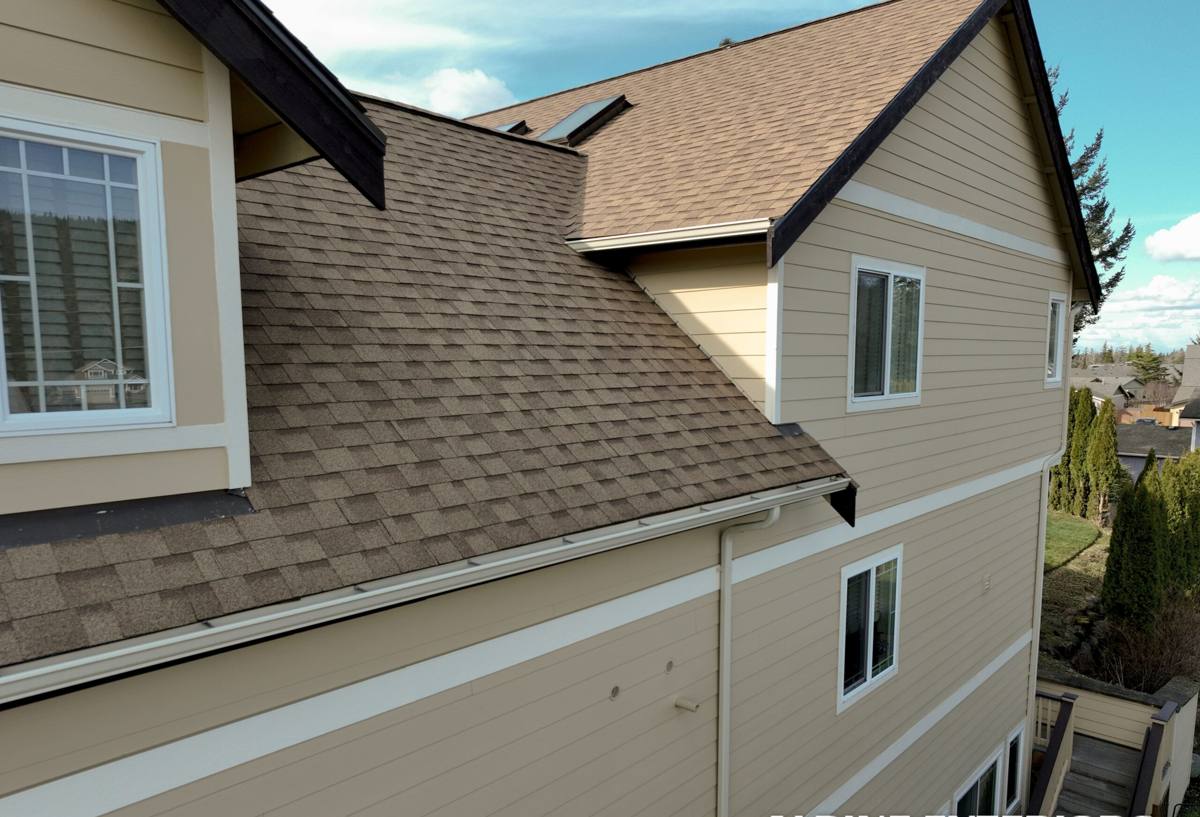
What the Local Climate Does to Windows Over Time
Salt Air and Metal Fatigue
Homes closer to the water pick up salt-laden air that accelerates corrosion on aluminum frames, hardware, and screen components. Even inland toward Everson, that air moves through the valley on prevailing winds. Over years, it pits metal hardware, stiffens weatherstripping, and can cause aluminum-frame windows to bind or stop sealing tightly — which is exactly when a homeowner starts noticing drafts and higher energy bills.
Driving Rain and Water Intrusion
Whatcom County storms often come with real wind behind the rain, not just steady drizzle. Older windows without proper flashing details, or windows installed without integrating correctly into the wall's water-resistive barrier, are prone to water working its way behind the trim during these events. That shows up later as soft trim, stained drywall below the sill, or a musty smell that homeowners sometimes blame on other things before tracing it back to the window itself.
A Long Moss and Damp Season
The wet season here runs long — fall through spring is mostly overcast, mild, and damp, which is exactly the environment moss and mildew like. Wood sills, wood-clad frames, and even vinyl tracks accumulate organic growth and standing moisture if drainage paths are blocked or sills aren't sloped correctly. That constant moisture exposure is one of the biggest reasons window seals and wood components degrade faster here than in drier climates.
Signs It's Time to Replace, Not Repair
Not every window problem means full replacement — sometimes a resealing or hardware fix solves it. But certain signs point to the glass unit or frame itself being past the point of a reasonable repair:
- Visible fog or moisture trapped between panes (a failed seal on the insulated glass unit)
- Frames that are soft, discolored, or swelling near the bottom corners or sill
- Windows that won't stay open, won't latch, or have become difficult to operate
- Noticeable cold air movement near the frame even with the window fully closed
- Condensation forming on the inside of the glass regularly during cold, damp weather
- Visible daylight or gaps around the frame from outside
- Rooms near the windows that are consistently harder to heat than the rest of the house
If you're seeing two or more of these on the same window, replacement is usually the more cost-effective path over the next several years compared to repeated repairs.
What "Energy-Efficient" Actually Means
U-Factor and Solar Heat Gain Coefficient
Every legitimate replacement window comes with an NFRC label listing its U-factor (how well it resists heat flow — lower is better for our climate) and its Solar Heat Gain Coefficient, or SHGC (how much solar heat passes through the glass). In the Pacific Northwest, where winters are the bigger concern than summer heat, a low U-factor generally matters more than a low SHGC, though south- and west-facing windows can still benefit from some solar heat gain control.
Glass Packages
Most energy-efficient replacement windows today use double-pane glass with a low-E coating and an inert gas fill (typically argon) between the panes. Triple-pane glass offers a further step up in thermal performance and sound dampening, at added cost and weight — it's worth discussing for a home with a specific comfort or noise concern, but it isn't a requirement to get a genuinely efficient window in this climate.
Spacer Systems
The spacer that separates the two panes of glass at the edge affects both energy performance and long-term seal durability. Warm-edge spacer systems reduce condensation risk at the glass edge and tend to hold their seal longer than older metal spacers — a detail worth asking about, since it's not something you can see once the window is installed.
Frame Material Options for This Climate
Frame material affects moisture resistance, maintenance, and lifespan as much as it affects appearance. Here's how the common options compare for a damp, marine-influenced climate like Everson's:
| Frame Material | Moisture Resistance | Maintenance | Typical Lifespan |
|---|---|---|---|
| Vinyl | Very good — won't rot or corrode | Low; occasional cleaning | 20–30+ years |
| Fiberglass | Excellent — dimensionally stable, resists moisture and temperature swings | Low | 30+ years |
| Wood-clad | Good on the exterior clad face, but vulnerable if the cladding is breached | Higher; interior wood may need periodic finishing | Varies with maintenance |
| Aluminum | Prone to corrosion in salt-influenced air; thermally weak | Moderate | Varies; corrosion often limits lifespan |
We install vinyl and fiberglass windows most often on Everson homes for exactly the reasons in that table — they hold up to the damp, salt-tinged air here without the maintenance burden or corrosion risk of the alternatives. Wood-clad windows have their place on homes where the look matters more than low maintenance, but we're upfront that they ask more of the homeowner over time.
How We Approach the Installation Itself
The window unit itself is only part of what determines whether a replacement performs well. A high-efficiency window installed poorly will leak and draft just like a cheap one. Our process on a typical Everson home looks like this:
1. On-Site Assessment
We check existing rough openings for level, square, and any signs of past water intrusion or rot in the framing before we ever measure for new units. If there's hidden damage, we deal with it before the new window goes in — not after.
2. Removal and Opening Prep
Old windows and any deteriorated flashing or sealant are removed carefully to avoid damaging the surrounding siding and trim, especially on homes where we're not also replacing the siding at the same time.
3. Flashing and Water Management
This is the step that matters most for a climate with driving rain. Flashing tape and pan flashing are integrated with the home's existing water-resistive barrier so that any water reaching the window opening drains back out, rather than behind the wall assembly. This is the single most common thing we see done wrong on older installations, and it's the reason we don't shortcut it.
4. Setting, Shimming, and Sealing
Windows are set level and plumb, shimmed correctly so the frame isn't under stress (which causes premature seal failure and operating problems), insulated around the perimeter, and sealed with exterior-grade sealant rated for our weather.
5. Interior and Exterior Finish
Trim, interior finish work, and exterior caulking are completed and cleaned up so the finished product looks right from both inside and outside the home.
Matching Window Styles to Whatcom County Weather
Style choice isn't purely aesthetic here — it affects how well a window resists wind-driven rain over time.
Casement Windows
Because casement windows seal by compressing against the frame when closed (rather than sliding), they generally resist wind-driven rain and drafts better than sliding styles. They're a strong choice for walls that take direct weather exposure.
Double-Hung Windows
Double-hung windows remain popular for their familiar look and easy cleaning (many tilt in), and modern double-hung units with quality weatherstripping perform well here — they just rely more heavily on that weatherstripping staying in good condition than a casement does.
Sliders
Sliding windows are a fine, economical option for more sheltered walls or covered areas, but on exposed elevations that take direct rain, we typically steer homeowners toward casement or well-weatherstripped double-hung units instead.
Why Hire a Crew That Already Works in Everson
A window installer who works regularly in Everson and the surrounding Whatcom County area already knows what this climate does to a poor installation — because we've been called out to fix the results. We know which flashing details actually hold up through a wet winter here, which frame materials are worth the added cost and which aren't, and how local siding types typically integrate with a new window opening. That local pattern recognition is hard to replace with a crew that mostly works in a different climate and treats every job the same way.
We also understand the practical side of scheduling around this region's weather — window replacement goes faster and cleaner in a dry stretch, and a local crew knows how to plan around the wet season rather than fighting it.
Get a Straightforward Estimate
If your windows are drafty, fogged, hard to operate, or just old enough that you're wondering whether repair still makes sense, we're glad to take a look and give you an honest read on your options. Fill out the form below for a free, no-pressure estimate on energy-efficient window replacement for your Everson home.