 Lynden Siding
 Windows Built for the Sumas Area, Not Just Sold to It
Homes in and around Sumas sit right up against the kind of Pacific Northwest weather that doesn't let up for long stretches of the year. Driving rain comes in sideways off the marine air, humidity sits in the wood and vinyl longer than it should, and moss finds a foothold on anything that stays damp — including window sills, trim, and the caulk lines around old frames. A window that was a fine fit for a drier climate somewhere else often isn't the right call out here. We work this corner of Whatcom County regularly, which means we've seen how local homes actually age, not just how a spec sheet says a product should perform.
"Custom" in this context doesn't mean fancy or upgraded for its own sake. It means the window is measured, built, and installed to match the actual opening, the actual wall assembly, and the actual exposure of that specific house — instead of forcing a stock size into a rough opening and papering over the gaps.
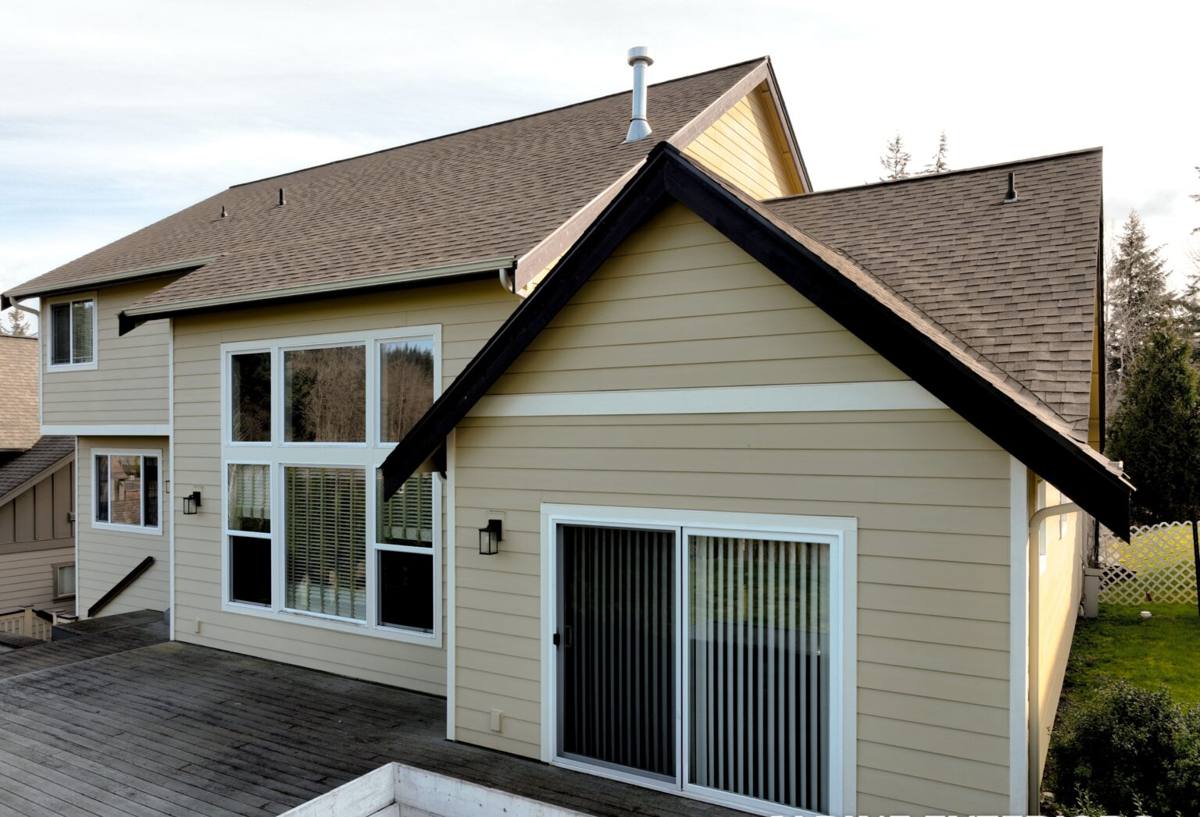
What Makes a Window Job "Custom" Around Here
Non-Standard and Older Openings
A lot of housing stock in the Lynden and Sumas area was framed decades before modern window sizing standards became common. Openings can be a half-inch or more off from anything you'd find on a shelf at a big-box store. Custom sizing means the window is built to the opening as it actually exists, rather than the installer shimming, packing, or trimming down a stock unit and hoping the seal holds.
Additions, Bay Windows, and Odd Shapes
Farmhouses, additions built in stages, and older remodels in this area often have window openings that aren't simple rectangles — angled bays, tall narrow lights next to doors, or mismatched heights across a wall. Custom manufacturing handles these without forcing an awkward compromise.
Egress and Code Requirements
When a bedroom window is being replaced, current code has minimum opening size and sill height requirements for emergency egress. Older Sumas-area homes sometimes have bedroom windows that predate those rules. Replacing the window is the right moment to bring that opening up to a safe, code-compliant size rather than just matching what was there before.
Choosing the Right Frame Material for This Climate
Frame material matters more here than in a drier climate, because the frame is what takes the brunt of the driving rain and the long stretches of damp weather between storms. There's no single "best" material for every home — it depends on the exposure of the wall, the look you want, and how much maintenance you're willing to keep up with.
| Frame Material | Moisture Resistance | Maintenance | Typical Lifespan | Best For |
|---|---|---|---|---|
| Vinyl | Very good — won't rot or corrode | Low, occasional cleaning | 20–30+ years | Most homes; budget-conscious full replacements |
| Fiberglass | Excellent — very stable in wet/dry cycles | Low | 30–40+ years | High-exposure walls, larger or custom-shaped units |
| Wood-Clad | Good on the exterior clad side; interior wood needs protection | Higher — periodic finish upkeep | 20–30+ years with maintenance | Homes where interior wood trim look is a priority |
We don't push one material as the only right answer. We'll walk through the trade-offs for your specific walls and exposure — including where moisture behavior and installation sensitivity make one option a clearly better long-term fit than another — and let you decide from there.
Glass and Performance: What Actually Matters Here
In a climate defined by cool, wet winters and mild summers, the glass package matters as much as the frame. A few factors worth understanding before you compare quotes:
- U-factor — measures how well the window resists heat loss; lower is better for our heating-season-heavy climate.
- Low-E coatings — a thin coating that reflects heat back into the home in winter without darkening the glass noticeably.
- Gas fills (argon or krypton) — the space between panes is filled with an inert gas to reduce heat transfer versus plain air.
- Condensation resistance — a rating for how well the interior glass surface resists fogging in cold, humid conditions, which matters during our damp winter mornings.
- Double vs. triple pane — triple pane adds cost and weight but can be worth it on north-facing or high-exposure walls; double pane with a good Low-E package is often sufficient elsewhere.
Signs Your Current Windows Are Past Their Useful Life
Window failure in this climate is usually gradual, and it shows up in the frame and seals before the glass itself gives out. A quick self-check before you call anyone:
- Fogging or a visible haze between the panes — a sign the seal has failed and the insulating gas has escaped.
- Soft, spongy, or discolored wood at the sill or lower corners of the frame.
- Visible moss or persistent green staining on the sill or exterior trim, even after cleaning.
- Drafts you can feel with a hand near the frame on a windy day.
- Windows that are difficult to open, close, or latch — often a sign the frame has shifted or swollen.
- Paint that keeps failing on the interior sill faster than the rest of the room, which usually points to moisture getting in somewhere it shouldn't.
How We Approach a Sumas-Area Window Install
Assessment and Measurement
We start by looking at the actual condition of the opening — not just the window itself. That includes checking the sheathing and framing around it for water damage, since a rotten window is sometimes a symptom of a flashing or siding problem further back in the wall, not just an old window.
Flashing and Water Management
This is the step that determines whether a window job holds up through years of driving rain or starts leaking within a couple seasons. Proper flashing directs water down and out and away from the framing, layered correctly with the house wrap or building paper so water always sheds outward, never trapped behind the window. Skipping or rushing this step is the single most common cause of window-related rot we see in older homes out here.
Installation and Sealing
The window is set plumb, level, and square, shimmed correctly so it isn't stressed out of shape, then sealed with the right materials at the right points — not just a bead of caulk around the outside trim. Interior and exterior sealing both matter for keeping moisture and air infiltration out.
Final Check and Cleanup
Every window gets operated, checked for square, and inspected for a clean seal before we consider the job done. We clean up the work area and leave the trim ready for paint or finish work if that's part of the scope.
Why Hiring a Crew That Already Works This Area Matters
A window contractor who mainly works in a different climate zone doesn't always think about moss buildup, long wet seasons, or how flashing needs to be layered for weather that comes in sideways for days at a time. A crew that already works homes in Lynden and the surrounding Whatcom County communities, including the Sumas area, has seen how local construction from different eras was built, where older homes tend to have weak points, and what actually holds up here versus what looks fine on install day and fails in three winters.
That familiarity also means fewer surprises during the job — recognizing older siding types, common framing quirks in this area's housing stock, and how to tie new window flashing into existing siding without creating a new leak point.
What Affects the Cost of a Custom Window Project
Every home is different, but the main cost drivers on a custom window job are consistent:
- Number of windows being replaced and whether it's a full-home project or a few problem windows.
- Frame material chosen — vinyl, fiberglass, and wood-clad carry different price points.
- Glass package — double pane versus triple pane, and the level of Low-E and gas-fill upgrade.
- Size and shape complexity — custom bays, angled units, or oversized openings cost more to manufacture and install than standard rectangles.
- Condition of the existing opening — hidden rot or framing repair needed once the old window comes out adds labor and material.
- Whether the project includes matching trim, interior casing work, or exterior siding tie-in.
We give straight, itemized numbers based on what your home actually needs rather than a flat per-window rate that ignores the condition behind the wall.
Ready to Talk About Your Windows?
If you're noticing drafts, fogged glass, or moisture damage on windows at your Sumas-area home, it's worth having a straightforward, no-pressure look before those issues spread into the surrounding wall framing. Fill out the form below for a free estimate — we'll walk the openings with you, explain what we're seeing, and give you honest options for your home and your budget.