 Lynden Siding
 Board & Batten Siding, Built for a Maple Falls Property
Board and batten has a distinct, upright look that fits a lot of the homes around Maple Falls — cabins, farmhouses, and newer builds that want a clean vertical line instead of the horizontal lap look most of the neighborhood grew up with. But the style is only half the story. Out here, siding doesn't just have to look good, it has to hold up to a climate that punishes anything installed loosely: salt-tinged air drifting in off the water, driving rain that comes in sideways more often than straight down, and a moss season that can stretch across most of the year in shaded, tree-lined lots.
We install board and batten siding specifically for homes in and around Maple Falls, and we treat it as a system, not a decorative pattern. The battens are the visible part. What's underneath them — the panel material, the water-resistive barrier, the flashing, the fastening — is what determines whether the siding still looks straight and tight in fifteen years or starts showing streaking, soft spots, and buckled boards in five.
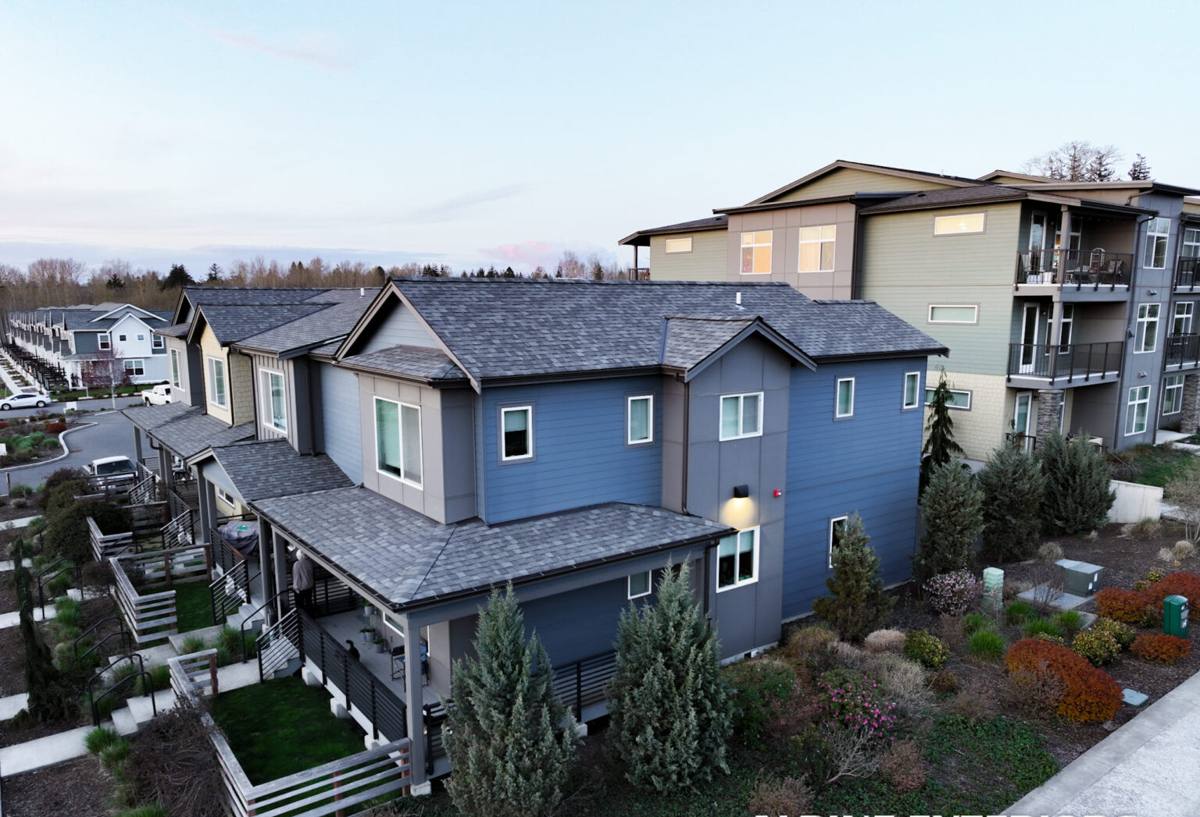
What This Climate Actually Does to Vertical Siding
Board and batten has more vertical seams than most siding styles, and every seam is a place water can find its way in if it isn't detailed correctly. In Whatcom County's marine-influenced climate — salt air, long stretches of driving rain, and shaded lots that stay damp for weeks at a time — those seams get tested constantly.
Moisture That Doesn't Let Up
Rain here isn't just frequent, it's often wind-driven, which pushes water up and under laps and battens that were only designed to shed water falling straight down. Combined with high ambient humidity and slow-drying shade from surrounding trees, siding in this area rarely gets a long dry stretch to fully release moisture it's picked up.
Moss, Algae, and Organic Growth
A long moss season means north-facing walls, shaded elevations, and anywhere siding sits close to landscaping stay damp longer than sun-exposed walls. Organic materials like untreated wood or paint-grade products are especially vulnerable — moss and algae don't just look bad, they hold moisture against the surface and accelerate whatever decay process is already happening underneath.
Salt-Influenced Air
Even away from the immediate shoreline, salt-laden air moving through Whatcom County contributes to faster breakdown of metal fasteners, caulking, and lower-grade paint finishes. Over years, that means more frequent touch-ups, more corrosion at fastener heads, and more opportunities for water to follow a failed seal straight into the wall.
How Board and Batten Siding Is Actually Built
Board and batten is a layered assembly, not a single product. Understanding the layers is the difference between a siding job that lasts and one that looks fine at installation and fails quietly behind the wall.
The Panel Layer
Underneath the battens is a continuous panel or series of vertical boards that form the primary weather-resistant surface. The material choice here matters more than almost anything else on the job — it's what's actually keeping bulk water out.
The Battens
The narrow strips fastened over the panel seams create the signature look and, when installed correctly, cover and protect the vertical joints beneath. Batten spacing and reveal should be planned and laid out before the first piece goes up, not adjusted on the fly, so the pattern reads straight and consistent across the whole elevation.
What's Behind the Siding
A weather-resistive barrier, correctly lapped and taped, sits between the panel and the sheathing. Flashing at windows, doors, and any horizontal transition directs water back out and away from the wall assembly instead of letting it pool or track sideways behind the siding. None of this is visible once the job is done — which is exactly why it needs to be right the first time.
Why We Only Install This in James Hardie Fiber Cement
We don't offer board and batten in vinyl, LP SmartSide, primed spruce, or cedar. That's not a marketing position — it's a standard we hold because of what we've seen this climate do to those materials over time, and because James Hardie's fiber cement panels are engineered specifically for regions like this one.
Hardie's HZ5 product line is climate-engineered for wetter, harsher regions, which is a meaningful distinction from a one-size-fits-all product. Fiber cement doesn't feed moss and algae the way wood-based products can, it doesn't soften or swell when it takes on moisture the way engineered wood can, and it's non-combustible, which matters more every year as wildfire smoke and dry-season risk become a bigger part of Pacific Northwest summers.
The factory-applied ColorPlus finish is also part of the case for Hardie specifically in board and batten applications. Because the panels and battens both carry a baked-on finish before they ever reach the job site, you're not relying on field-applied paint or stain to hold up against driving rain and years of damp shade — the color and the weather protection are part of the same manufactured layer, backed by a transferable warranty that follows the house, not just the original owner.
What a Correct Board and Batten Job Involves
A lot of what separates a siding job that lasts from one that doesn't happens before the first panel goes up.
- Full inspection of existing sheathing and framing for rot or moisture damage before covering anything
- Continuous, correctly lapped weather-resistive barrier — no gaps, no shortcuts at corners
- Properly flashed windows, doors, and any horizontal siding transitions
- Planned batten layout and reveal spacing before installation starts, not adjusted mid-job
- Corrosion-resistant fastening schedule appropriate for fiber cement and this climate
- Rain-screen gap or drainage plane detailing so incidental moisture can actually drain and dry
- Sealed, caulked joints only where the manufacturer's install spec calls for it — not as a substitute for proper flashing
Skipping any one of these doesn't usually show up right away. It shows up two, five, or ten years later as a soft spot, a streak, or a section that has to be opened up and redone — often at a much higher cost than doing it right the first time.
Our Process for Maple Falls Projects
We start with a walk-through of the home, not a generic estimate. That means checking the existing siding and sheathing condition, looking at which elevations get the least sun and the most shade — usually the ones that need the most attention for moss and moisture — and talking through where board and batten actually makes sense architecturally versus where a different Hardie profile might be a better fit.
From there, we handle tear-off, any necessary sheathing repair, weather barrier installation, flashing, and the board and batten install itself, followed by a final walk-through with the homeowner before we consider the job done. We don't sub out the judgment calls on flashing and drainage detailing — those are the parts of the job that determine how the siding performs in a Maple Falls winter, not just how it looks the day we finish.
Board and Batten Material Comparison
| Factor | James Hardie Fiber Cement | Vinyl Board & Batten | Wood / Engineered Wood |
|---|---|---|---|
| Moisture resistance | Engineered for wet climates (HZ5) | Sheds surface water; seams can trap moisture | Absorbs moisture; prone to swelling |
| Moss & algae resistance | Non-organic surface, resists growth | Can host surface growth in shaded areas | Organic material feeds growth |
| Finish durability | Factory-baked ColorPlus finish | Molded-in color, can fade/chalk | Field-applied paint or stain, needs recoating |
| Fire resistance | Non-combustible | Combustible | Combustible |
| Typical lifespan when properly installed | Multiple decades | Shorter, especially with UV/impact wear | Shorter without diligent maintenance |
| Warranty structure | Long-term, transferable | Varies, often prorated | Limited or manufacturer-dependent |
Maintenance Through a Long Moss Season
Even the right material benefits from basic upkeep. Keeping gutters clear so water isn't dumping directly onto siding, trimming back vegetation that shades and dampens walls, and doing an annual visual check of caulking and flashing points are the main things a homeowner can do between professional inspections. Fiber cement doesn't need the frequent recoating or sealing that wood-based sidings do, but it's not maintenance-free — a five-minute walk around the house each fall, before the wet season sets in, catches most small issues before they become expensive ones.
Why Hiring Local Experience Matters
A crew that already works in and around Maple Falls has seen how this specific mix of shade, rain, and moss plays out on real houses — which elevations fail first, which details get skipped by installers who aren't used to this climate, and what actually holds up over a full Whatcom County winter. That's not something you get from a general contractor doing their first board and batten job in the area, no matter how skilled they are in general.
If you're weighing board and batten siding for a home in Maple Falls, we're glad to come take a look, walk the property with you, and give you a straightforward, no-pressure estimate — no hard sell, just an honest read on what your home needs.