 Lynden Siding
 Siding Installation in Blaine's Coastal Climate
Blaine sits right on the water at the northern edge of Whatcom County, close enough to the Salish Sea that salt-laden air is simply part of daily life here. That's a different environment than siding installers deal with even a few miles inland in Lynden. Homes in Blaine face a steady combination of salt air, wind-driven rain coming straight off the water, and a long, damp moss season that can run from fall through spring. A siding installation that ignores any one of those factors tends to show problems within a few years, not a few decades.
We install siding across Whatcom County, and Blaine is one of the areas where we're most deliberate about adjusting standard practice for the local conditions. This page walks through what that actually means: what the climate does to siding over time, what a correct installation looks like on a coastal property, and how our process is built around getting it right the first time.
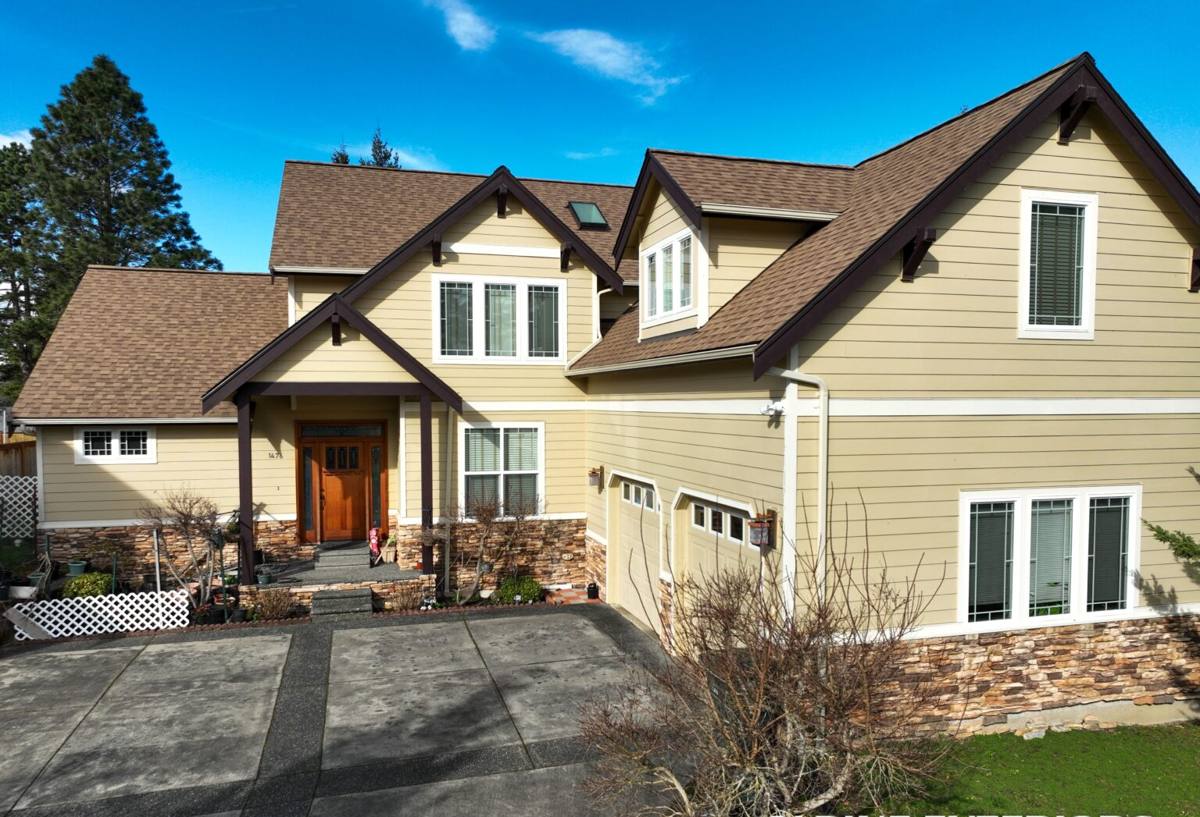
What Blaine's Weather Actually Does to Siding
Salt Air
Airborne salt is corrosive to metal and slowly degrades many painted and coated surfaces. On a home near open water, fasteners, flashing, and trim accessories take more of a beating than they would inland. Cheap or mismatched hardware corrodes faster, staining the siding below it and eventually failing at the point of attachment. This is one of the biggest reasons material and fastener selection matters more in Blaine than in a typical inland installation.
Driving Rain
Rain that falls straight down is relatively easy to shed. Rain that's being pushed sideways by wind off the water is a different problem — it gets forced up under laps, into seams, and behind trim if the water management details aren't right. Wind-driven rain is a horizontal-load problem as much as a vertical one, and siding systems that only account for gravity tend to leak at exactly the joints and penetrations that matter most.
Moss and Prolonged Dampness
Western Washington's moss season is long, and a coastal, often shaded property can stay damp for extended stretches between storms. Moss and algae growth on siding isn't just cosmetic — sustained moisture against a wall assembly, especially behind moss buildup in laps and trim joints, keeps the substrate wet longer and accelerates rot in anything organic. Siding material, paint film, and detailing all affect how much moisture actually reaches the wall behind the cladding.
What a Correct Installation Involves
Good siding installation is mostly about water management — getting every drop of rain that reaches the wall to end up back outside the building, not trapped inside it. That holds true everywhere, but it matters more in a place like Blaine where the water load is higher and more sideways than average. The core elements of a correct job:
- A continuous, correctly lapped weather-resistive barrier (WRB) behind the siding, with no gaps or reverse laps
- Properly integrated flashing at every window, door, and roof-to-wall intersection — installed in the correct shingle-lap order so water sheds down and out
- Rainscreen or drainage gap detailing where appropriate, so any moisture that gets behind the siding has a way to drain and dry rather than sitting against the substrate
- Correct fastener type, length, and placement — under-driven or over-driven fasteners are a common source of early siding failure
- Proper clearance between siding and grade, roof lines, decks, and other transitions so water and debris don't sit against the bottom edge
- Factory-finished, climate-rated panels and trim rather than field-painted material that depends on perfect site conditions to cure correctly
Skipping or rushing any one of these doesn't usually show up on day one. It shows up two, five, or ten years later as staining, soft trim, or rot behind the cladding — by which point the fix is far more expensive than doing it right the first time would have been.
Why We Only Install James Hardie Fiber Cement
We made a deliberate decision to install one siding system — James Hardie fiber cement — rather than offering a menu of vinyl, engineered wood, or other fiber cement brands. Fiber cement is non-combustible, dimensionally stable, and doesn't absorb and swell with moisture the way wood-based products can, which matters directly in a damp, coastal environment. Hardie's ColorPlus factory finish is baked on under controlled conditions rather than field-applied, which gives it better, more consistent adhesion than site-painted material — a real advantage where humidity and salt air can compromise a field-applied coating.
Hardie also builds region-specific product lines engineered for different climate zones, and offers a strong transferable warranty when the product is installed to their specification. None of that matters if the installation itself is sloppy — the product and the installation have to both be right — but it gives us a system we trust to perform over the long haul on a Blaine property instead of one we're hoping performs.
Our Installation Process
- On-site assessment. We look at your home's exposure — how much direct weather and wind-driven rain it takes, existing moisture or rot issues, and the condition of the current wall assembly.
- Tear-off and substrate check. Old siding comes off and we inspect the sheathing underneath for hidden rot or damage before anything new goes up. This step catches problems that aren't visible from outside.
- Weather barrier and flashing. A continuous WRB goes on first, followed by correctly lapped flashing at every window, door, and penetration.
- Drainage detailing. Where the wall assembly calls for it, we install a rainscreen gap so incidental moisture can drain and the wall can dry.
- Siding and trim installation. James Hardie panels, lap siding, or trim go on to manufacturer spec — correct fastener schedule, gapping, and caulking at the joints that need it.
- Final walk-through. We review the finished work with you and confirm everything is sealed and detailed correctly before we call the job done.
Cost Factors for a Blaine Siding Installation
Every home is different, but these are the variables that most commonly move the price of a siding installation up or down in a coastal Whatcom County setting:
| Factor | Why It Matters |
|---|---|
| Tear-off scope | Removing old siding down to the sheathing costs more than installing over an already-clean substrate, but it lets us check for hidden moisture damage first |
| Substrate repair | Rot or damaged sheathing found during tear-off has to be repaired before new siding goes on — more common on older coastal-facing walls |
| Wall complexity | Homes with more corners, dormers, and trim details take longer to flash and finish correctly than a simple rectangular wall |
| Exposure orientation | Walls facing directly into prevailing wind and rain often get extra drainage and flashing detail, which adds labor |
| Siding profile | Lap siding, panel systems, and shingle-style Hardie products vary in material and labor cost |
| Existing drainage gap | Adding a rainscreen where one doesn't already exist is additional work, but it's often worth it on a heavily exposed wall |
We give a firm, itemized quote after seeing the actual condition of your home — not a phone estimate based on square footage alone.
Why Hiring a Crew That Already Works Blaine Matters
A crew that regularly works Blaine and the surrounding Whatcom County coastline has already seen what happens to siding installed without accounting for the local conditions — where the callbacks happen, which details fail first, and which corners can't be cut. That's different knowledge than a crew that mostly works drier, more sheltered inland areas and treats every job the same way. Water management for a coastal wall isn't exotic, but it does need to be treated as non-negotiable rather than optional, and that mindset only comes from doing the work in this specific environment repeatedly.
It also matters for the practical side of the job — knowing how weather windows work on the water, scheduling around the wetter stretches of the year, and protecting an open wall from a sudden squall during a multi-day tear-off and re-side.
What to Look for When Hiring a Siding Installer in Blaine
- Manufacturer-trained or certified installers, not general contractors subcontracting the work out
- A written scope that specifically addresses flashing, WRB, and drainage detailing — not just "install siding"
- Willingness to inspect and photograph the sheathing before covering it back up
- A real, transferable manufacturer warranty behind the product, not just a workmanship guarantee
- References or completed work in Blaine or similarly exposed coastal areas nearby
- A firm, itemized quote based on an actual site visit, not a rough phone estimate
If your Blaine home's siding is showing staining, moss buildup, soft spots, or failing paint, we're happy to take a look and give you a straightforward, no-pressure estimate — just fill out the form below and we'll get in touch.