 Lynden Siding
 Acme's Climate Is Hard on a Roof
Out toward Acme, east of Lynden, homes sit under more tree cover and catch more rain than properties closer to town. Whatcom County's marine-influenced weather doesn't stay near the water — the same wet, salt-tinged air systems that move in off the Sound push inland and settle over the foothills, and they bring moisture with them for months at a time. Combine that with heavier tree canopy, shaded rooflines, and slower drying time after a storm, and you get a roofing environment that's tougher on materials than a typical suburban lot.
Asphalt shingles and untreated wood roofing in this setting tend to grow moss and algae fast, especially on north-facing slopes and anywhere branches overhang. Once moss takes hold, it holds water against the roof surface, works into seams, and shortens the life of the roofing underneath it — sometimes by years. That's the backdrop for why so many Acme homeowners start looking seriously at metal roofing.
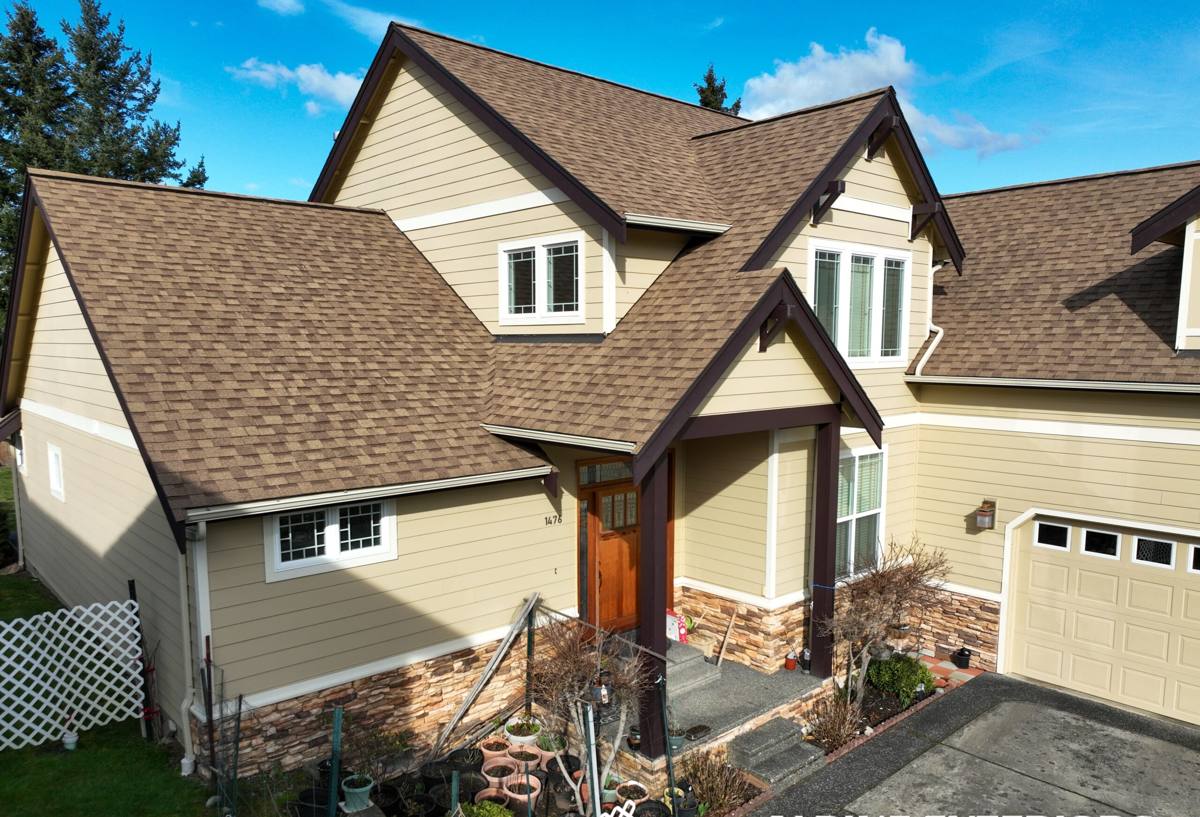
Why Metal Roofing Makes Sense for Acme Homes
Metal roofing isn't the right fit for every house or every budget, but for homes dealing with heavy rain, shade, and moss pressure year after year, it solves several problems at once:
- Smooth, hard panel surfaces give moss and algae far less to grip onto compared to the granulated texture of asphalt shingles
- Steep water shed rates mean less standing moisture sitting on the roof after Whatcom County's long stretches of driving rain
- Panels are installed in long continuous runs with fewer exposed seams than shingle roofing, which means fewer entry points for wind-driven rain
- A properly coated metal roof holds up well against the marine air that moves through the region, resisting the corrosion that can eat away at lower-grade materials over time
- Lifespan measured in decades rather than years, which matters on a property where reroofing means dealing with tree access and staging around a wooded lot
None of that means metal roofing is maintenance-free. It means the maintenance burden shifts — away from constant moss treatment and shingle repair, toward periodic inspection of fasteners, flashing, and coating condition.
What a Correct Metal Roof Install Actually Involves
A metal roof is only as good as what's underneath it and how it's fastened down. In a wet, tree-heavy area like Acme, a few details matter more than they would on a dry, open lot.
Deck Inspection and Repair
Before any panel goes down, the roof deck needs to be checked for soft spots, rot, and water staining — common on older Acme roofs that have carried years of moss and slow-draining moisture. Installing new metal over a compromised deck just traps the problem underneath a roof that's supposed to last thirty-plus years. Any damaged sheathing gets cut out and replaced before underlayment goes on.
Underlayment That Matches the Climate
We use synthetic underlayment rated for high-moisture exposure, with self-adhering ice-and-water membrane at eaves, valleys, and any low-slope transitions where water tends to back up during heavy rain events. This layer is the backup plan if wind ever drives moisture under a seam — it shouldn't be an afterthought.
Flashing and Valleys
Most metal roof leaks that we get called out to inspect trace back to flashing, not the panels themselves. Valleys, chimney penetrations, skylights, and wall transitions all need properly formed, correctly lapped flashing — not just a bead of sealant covering a gap. On tree-shaded roofs where debris collects in valleys, we also make sure valley flashing is sized generously enough to keep water moving even when needles and leaf litter build up between cleanings.
Fasteners and Panel Attachment
Exposed-fastener panels rely on screws with rubber washers that compress to seal each penetration — those washers degrade over time and need occasional attention. Standing seam panels use concealed clips instead, with no fastener penetrating the panel face at all, which removes that long-term maintenance point entirely. Either way, fasteners and clips need to be corrosion-resistant hardware rated for coastal-influenced climates, not generic zinc-plated screws that will streak and weaken years before the panels do.
Ventilation
A sealed, well-shed roof surface still needs proper intake and exhaust ventilation underneath it. Without it, moisture gets trapped in the attic space, which defeats the purpose of a roof designed to keep water out in the first place. We check existing ventilation on every reroof and correct it where it's inadequate.
Comparing Metal Roofing Options for Acme Properties
Not all metal roofing is the same product wearing different colors. The panel type affects upfront cost, appearance, and how much long-term attention the roof needs.
| Panel Type | Fastening | Best For | Maintenance Over Time |
|---|---|---|---|
| Standing Seam | Concealed clips, no face penetrations | Homes wanting the longest service life with the fewest weak points | Low — occasional inspection, no washer replacement |
| Exposed Fastener | Screws with rubber washers through the panel face | Budget-conscious projects, outbuildings, simpler rooflines | Moderate — washers need periodic checking and eventual replacement |
| Stone-Coated Steel | Interlocking panels, concealed fasteners | Homeowners wanting a shake or tile look with metal's durability | Low to moderate — coating condition should be checked periodically |
For most Acme homes dealing with heavy rain and shade, we steer people toward standing seam or stone-coated steel — the fewer face penetrations a roof has, the fewer places moisture has to work its way in over a thirty- or forty-year lifespan. Exposed-fastener panels still have their place, particularly on shops, additions, or lower-visibility roof sections where cost matters more than the last percentage of long-term maintenance savings.
What Drives the Cost of a Metal Roof
Every quote depends on the specifics of the house, but the main cost drivers are consistent from job to job:
| Factor | Why It Matters |
|---|---|
| Panel type | Standing seam costs more per square than exposed-fastener panels due to the clip system and forming |
| Roof complexity | Valleys, dormers, and multiple pitch changes add flashing work and labor time |
| Tear-off vs. overlay | Removing old roofing and repairing the deck underneath adds cost but is often necessary on moss-damaged roofs |
| Access and tree cover | Heavily wooded Acme lots can require more careful staging and cleanup around limbs and canopy |
| Underlayment upgrades | Full ice-and-water coverage costs more than minimal code-required underlayment but performs better in this climate |
We'd rather walk a homeowner through these factors on their actual roof than throw out a number that doesn't hold up once we're up there measuring.
Living With a Metal Roof in a Moss-Prone Climate
A metal roof cuts down on moss problems dramatically, but "resistant" isn't "immune" — organic debris can still build up in valleys and against any obstruction, especially under heavy tree cover. A little seasonal attention keeps the roof performing the way it's supposed to for its full lifespan.
- Clear needles, leaves, and branch debris from valleys and around penetrations once or twice a year, more often on heavily wooded lots
- Keep gutters clear so water has somewhere to go once it sheds off the panels
- Trim back overhanging limbs where practical to reduce debris load and moss spores landing directly on the roof
- Have fasteners, flashing, and any washer-based seals checked periodically, particularly after severe wind events
- Address any scratches to the panel coating promptly — exposed bare metal is where corrosion gets a foothold
Our Process for Acme Metal Roofing Projects
We treat every Acme roof as its own project, not a template. That starts with an on-site look at the existing roof, the deck condition underneath it, tree exposure, and how water currently moves off the house — including anywhere it's clearly not moving off cleanly.
- On-site assessment of the current roof, deck, ventilation, and drainage
- A written scope covering panel type, underlayment, flashing detail, and tear-off needs
- Careful staging around trees and landscaping, with protection for the areas below the work zone
- Deck repair where needed, followed by underlayment, panel installation, and flashing
- Final walk-through so the homeowner can see the completed work and ask questions before we leave
We don't upsell a full standing seam system to a homeowner whose roof and budget call for something simpler, and we don't quietly downgrade materials to win a lower bid. The goal is a roof that matches what the house and the climate actually need.
Why It Matters to Hire a Crew That Already Works in Acme
Roofing crews unfamiliar with this part of Whatcom County tend to underestimate two things: how much moisture a shaded, tree-covered roof holds onto, and how much that changes the underlayment and flashing decisions on the job. A crew that regularly works Acme and the surrounding Lynden area has already seen what happens to roofs that skip ice-and-water membrane in valleys, or that use standard fasteners instead of corrosion-resistant hardware in a marine-influenced climate. That experience shows up in fewer callbacks and a roof that's still performing correctly a decade or two down the road.
There's also a practical side to staying local — if a question comes up after the job is done, it's a call to a crew that's still working in the area, not a company that packed up and moved on to the next region.
If you're weighing metal roofing for a home in Acme, we're glad to take a look and walk you through what your specific roof would need. The estimate is free, there's no pressure attached to it, and you'll get a straight answer about what makes sense for your house — just fill out the form below to get started.