 Lynden Siding
 Roofing Around Wiser Lake Isn't the Same Job as Roofing Downtown
Wiser Lake sits in a pocket of Whatcom County where the weather works a roof harder than it does just a few miles away. Homes near the water get more standing moisture in the air, more shade from surrounding trees, and longer stretches where a roof simply doesn't get a chance to dry out between storms. That combination shortens the useful life of a poorly installed roof and accelerates problems on roofs that were installed correctly but with the wrong materials for the setting.
A new roof installation for a Wiser Lake home isn't just "put shingles on a house." It's a set of decisions about ventilation, underlayment, flashing, and material choice that either accounts for the lake-adjacent climate or ignores it. We've built our process around the first approach, because we've seen what happens with the second.
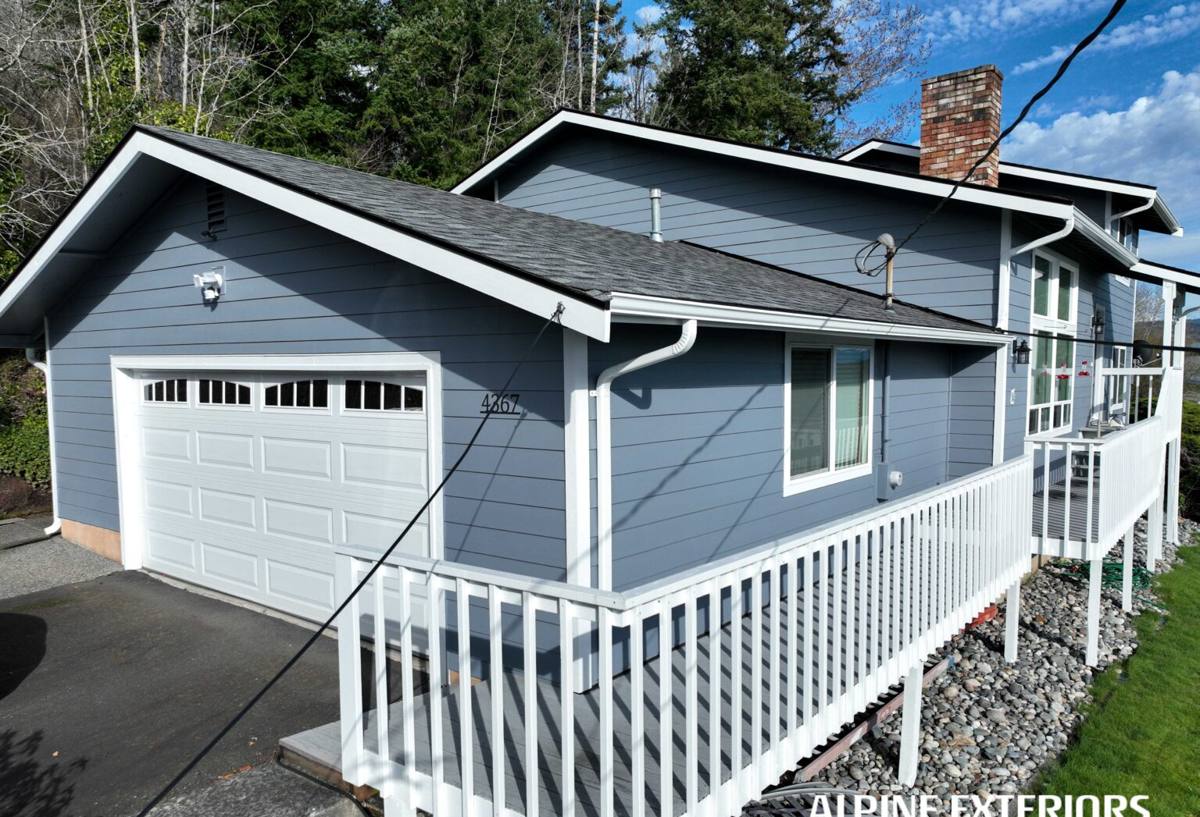
What the Local Climate Actually Does to a Roof
Lynden and the rest of Whatcom County get a marine-influenced climate: mild temperatures, but a lot of moisture moving through the air for much of the year. Around Wiser Lake specifically, that moisture has a harder time escaping. A few things happen as a result:
Salt Air and Driving Rain
Proximity to Puget Sound-influenced weather patterns means homes in this area deal with wind-driven rain that doesn't just fall straight down — it gets pushed sideways and up under roof edges, into valleys, and around chimneys and vents. Fasteners, flashing metal, and any exposed hardware take more of a beating here than they would on a roof in a drier, more sheltered part of the county.
A Long Moss Season
Shade from mature trees around the lake, combined with damp air that lingers, gives moss a long window to establish itself — often nearly year-round on north-facing slopes and shaded valleys. Moss isn't just cosmetic. It holds moisture directly against roofing material, works its way under shingle tabs, and can lift edges enough to let water in during the next storm.
Slow Drying Time
A roof in an open, sunny location dries out within hours of a storm. A roof shaded by trees near Wiser Lake can stay damp for days. That extended wet time is the single biggest factor in how fast moss establishes, how fast wood rots, and how fast fasteners corrode.
Signs a Wiser Lake Home Needs a New Roof, Not Another Repair
Not every roof problem here means a full replacement. But there are signals that patching is just delaying a bigger job:
- Moss growth that returns within a season or two of being cleaned off
- Granule loss visible in gutters, especially after wind or heavy rain
- Soft or spongy spots in the roof deck when walked (a sign of trapped moisture underneath)
- Daylight visible through the roof deck from inside the attic
- Shingles curling, cracking, or losing their seal at the edges and in valleys
- Repeated leaks around the same chimney, vent, or valley despite prior repairs
- A roof approaching or past the 20-25 year mark for standard asphalt shingle in this climate
If you're seeing two or more of these, it's worth a straightforward inspection rather than another round of patching. We'll tell you honestly if a repair will hold or if you're better off putting that money toward a full installation.
Choosing the Right Material for a Lake-Adjacent Roof
Every roofing material has trade-offs. Near Wiser Lake, moisture resistance and moss performance matter more than they would elsewhere in the county, so we weigh those factors heavily when we talk through options with homeowners.
| Material | Moss & Moisture Performance | Typical Lifespan Here | Maintenance Needs |
|---|---|---|---|
| Standard 3-tab asphalt shingle | Fair — flat profile sheds water less aggressively, more prone to moss anchoring | 15-20 years | Periodic moss treatment recommended |
| Architectural (laminate) shingle | Good — thicker profile and better granule coverage resist moss and wear better | 25-30 years | Occasional cleaning, especially shaded slopes |
| Metal roofing (standing seam) | Very good — smooth surface gives moss little to grip, sheds water fast | 40-50+ years | Low; occasional debris clearing |
| Cedar shake | Poor without diligent upkeep — natural wood holds moisture and feeds moss/rot in shaded, damp settings | Highly variable | High — regular treatment and inspection required |
We don't install cedar shake on shaded, lake-adjacent lots as a matter of professional standard — not because it's a bad product everywhere, but because the maintenance burden it creates in exactly this kind of damp, shaded microclimate isn't something we're willing to hand a homeowner without a clear warning. Most Wiser Lake homeowners land on architectural shingle for the balance of cost and durability, or metal when they want to minimize moss and maintenance over the long run.
What a Correct Roof Installation Actually Involves
A new roof is only as good as what's underneath the visible surface. Skipping steps here is how a roof that looks fine in year one starts leaking in year five. Every installation we do near Wiser Lake includes:
- Full tear-off of the old roofing material — no installing over existing layers
- Deck inspection and replacement of any rotted, soft, or delaminated sheathing
- Ice-and-water barrier at eaves, valleys, and around all penetrations, not just where code requires the minimum
- Synthetic underlayment across the full deck for a secondary moisture barrier
- New flashing at chimneys, walls, skylights, and valleys — reused flashing is a common shortcut we don't take
- Proper nailing pattern and fastener depth per manufacturer specification, not just "close enough"
- Balanced intake and exhaust ventilation sized to the attic space
- Ridge cap and edge detailing that sheds wind-driven rain instead of letting it wick underneath
- Full site cleanup, including magnetic sweep for stray fasteners
None of this is unusual in the trade. What's unusual is when it gets skipped to hit a lower price — and on a shaded, damp lot like Wiser Lake, those shortcuts show up as leaks and rot years sooner than they would elsewhere.
Ventilation and Moss Prevention Built Into the Job
A new roof is also a chance to fix ventilation problems that a repair can't touch. Poor attic airflow traps heat and moisture under the deck, which speeds up shingle aging from underneath — a problem that's easy to miss because it doesn't show on the surface until it's advanced.
On homes with heavy shade near the lake, we also talk through moss-resistant details at installation: zinc or copper strip options near the ridge, material choices that resist moss anchoring, and gutter and downspout placement that keeps water moving off the roof instead of pooling near valleys. None of this eliminates moss entirely in a climate like this one, but it meaningfully slows it down and makes routine cleaning far more effective.
Our Process, Start to Finish
1. On-Site Inspection and Honest Assessment
We walk the roof, check the attic from the inside, and look at drainage patterns around the house before recommending anything. If repair is genuinely the better call for your budget and timeline, we'll say so.
2. Material and Scope Walkthrough
We go over material options with the trade-offs above laid out plainly, along with a written scope so you know exactly what's included — tear-off, underlayment, flashing, ventilation work, and cleanup.
3. Scheduling Around Weather
Given how much rain this area gets, we plan installations for weather windows that let us keep the deck dry throughout the job. We don't tarp a half-finished roof and hope for the best.
4. Installation
Full tear-off, deck repair as needed, underlayment and flashing, then the roofing material itself, installed to manufacturer specification.
5. Final Walkthrough and Cleanup
We walk the finished roof and the property with you, confirm ventilation and drainage are working as intended, and make sure the site is left clean.
Why a Crew That Already Works Wiser Lake Matters
A roofing crew that mostly works drier, more open parts of Whatcom County can still do competent work — but they may not default to the extra moisture protection and moss-resistant detailing that a shaded, lake-adjacent roof actually needs unless you ask for it specifically. A crew that regularly works around Wiser Lake already builds those details into the standard scope, because we've seen what happens when they're left out.
That familiarity also shows up in smaller ways: knowing which slopes on a given lot tend to hold moisture longest, recommending ventilation upgrades before they become a visible problem, and setting realistic expectations for how often moss treatment will actually be needed on a shaded roof versus a sunny one.
Get a Straightforward Estimate
If your roof is showing wear, holding onto moss no matter how often you clean it, or simply getting close to the end of its expected life, we're happy to take a look and give you an honest read on where things stand. Reach out for a free, no-pressure estimate using the form below — we'll walk the roof, answer your questions, and give you a clear picture of your options before you decide anything.