 Lynden Siding
 Windows in Laurel Take a Different Kind of Beating
Laurel sits close enough to the water and low enough in the Nooksack valley that homes here deal with a specific combination of weather stress: salt-tinged air moving in off the Sound and Strait, long stretches of driving rain through fall and winter, and a moss season that can run half the year on north-facing walls. None of that is dramatic on any given day, but it's relentless. Windows are one of the first places that pressure shows up, because every window is a seam in the building envelope — glass, frame, and wall all meeting at once, with caulk and flashing doing the work of keeping water out.
A window that was installed correctly ten or fifteen years ago in Laurel is often still doing fine. A window that was installed with shortcuts — no matter how good the glass or vinyl looks — tends to show it early: soft trim, fogged panes, drafts that weren't there before. The fix isn't usually a better product. It's a correct install that respects what this specific climate does to a house.
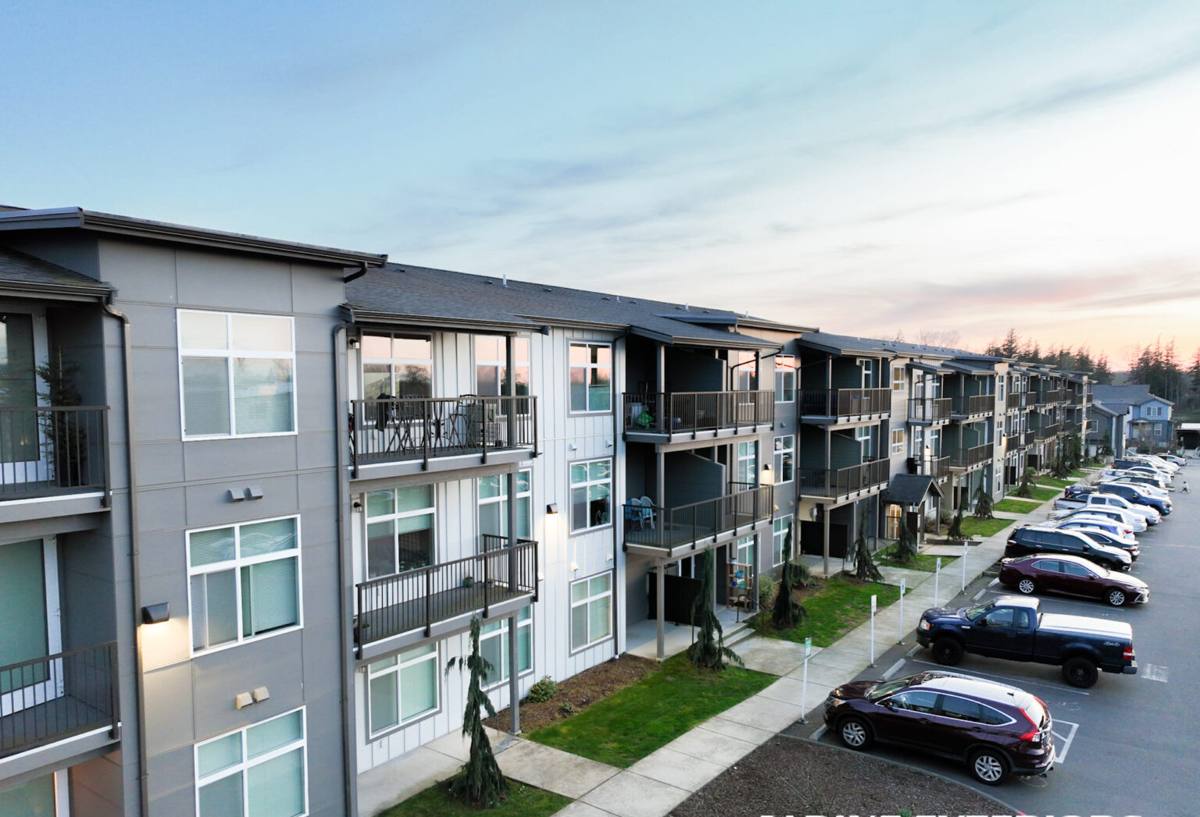
How to Tell If You're Looking at Repair or Replacement
Not every window problem means a full replacement. But there are signs that tell you the window itself, not just the weatherstripping or caulk, has reached the end of its useful life:
- Fogging or a visible film between panes — the seal on the insulated glass unit has failed and can't be fixed, only replaced
- Wood trim or sills that are soft, spongy, or visibly rotted, especially on the sides that face prevailing wind and rain
- Windows that are noticeably harder to open, close, or lock than they used to be
- A cold draft you can feel standing near the window on a still day, not just a windy one
- Visible daylight or gaps between the frame and the siding or trim around it
- Moss or dark staining building up on the sill or the wall directly below the window
If what you're seeing is limited to failed caulking or minor gaps, that can sometimes be addressed without pulling the window. If it's the glass seal, the frame material, or water that's clearly gotten behind the trim, replacement is the honest answer — patching it just delays a bigger repair later.
What a Correct Window Replacement Job Actually Involves
Removal and Inspection
The old window comes out carefully so we can actually see the wall cavity behind it — not just the window itself. This is the point where hidden water damage shows up: soft sheathing, damp insulation, or framing that's been absorbing moisture slowly for years. In a lot of Laurel-area homes, this is the first time anyone's actually looked at that part of the wall since the house was built.
Flashing and Water Management
This is the step that determines whether the new window lasts fifteen years or thirty. Flashing tape and house wrap have to be layered correctly — top piece overlapping the one below it, like shingles — so that any water that gets behind the siding drains out and away from the window opening instead of pooling against it. Given how much rain Whatcom County sees in a typical winter, this detail matters more here than it would in a drier climate.
Installation and Air Sealing
The window gets set plumb and level, shimmed correctly so it isn't relying on the fasteners to hold its shape, and sealed with the right combination of low-expansion foam and sealant — not overfilled, which can bow the frame, and not skipped, which leaves gaps for air and moisture.
Finish Work
Interior and exterior trim gets reset or replaced, caulked, and where needed, painted or capped to match the rest of the house. A window replacement isn't finished until the trim looks like it was never touched.
Choosing a Window Built for This Climate
There's no single "best" window material — the right choice depends on the specific wall, the exposure, and the homeowner's priorities. Here's how the common options actually compare for a home in Laurel's conditions:
| Frame Material | Moisture Behavior | Maintenance | Typical Lifespan |
|---|---|---|---|
| Vinyl | Won't rot or corrode from salt air; expands/contracts with temperature | Low — occasional cleaning | 20-30 years |
| Fiberglass | Very stable in moisture and temperature swings, holds paint well | Low | 30+ years |
| Wood-clad | Good if cladding and flashing details are correct; vulnerable where cladding is compromised | Higher — cladding and interior wood need occasional attention | 20-30 years, install-dependent |
| Aluminum | Conducts cold and can condensate more in damp climates unless thermally broken | Low | 20-30 years |
For most homes in this area, vinyl or fiberglass frames handle the combination of salt air, rain, and temperature swings with the least ongoing maintenance. Wood-clad windows can still be the right call for a specific architectural look, as long as the cladding and flashing are detailed correctly at install — that's where the real risk lives, not in the wood itself.
Our Process, Start to Finish
We keep the process straightforward because homeowners deserve to know what's happening at each step, not just at the estimate and the final walkthrough:
- On-site assessment of existing windows, wall condition, and any water intrusion history
- Honest recommendation on repair versus replacement, with reasoning explained
- Written estimate covering materials, labor, and any framing repair contingencies
- Scheduled installation, typically completed room by room to limit how long any opening is exposed
- Flashing, insulation, and air sealing done to current best practice, not just "how it's always been done"
- Interior and exterior finish work matched to the home
- Final walkthrough and operation check on every window before we call it done
Mistakes We See in Older Installations
We're regularly called into Laurel-area homes to look at windows that were installed within the past decade or two, and a handful of issues show up again and again. These aren't brand problems — they're installation shortcuts that any frame material would suffer from:
- Flashing tape applied in the wrong order, so water gets directed into the wall instead of away from it
- Gaps around the frame filled with caulk alone instead of proper backer rod and sealant, which fails faster under constant rain exposure
- Windows shimmed unevenly, putting stress on the frame that shows up later as difficulty opening or closing
- Trim reinstalled without repainting or resealing the cut ends, giving moss and moisture an easy entry point
We treat each of these as a standard to hold ourselves to, not a chance to criticize whoever did the work before us — a lot of these issues come from rushing a job rather than from bad intentions.
Why It Helps to Hire a Crew That Already Works in Laurel
A crew that works this specific area regularly has already seen how the local weather plays out on real houses over time — which walls take the worst of the wind-driven rain, how fast moss builds up on north exposures, and which older construction styles common in Lynden and the surrounding valley need extra attention at the flashing details. That's not something you can fully substitute with a general checklist. It also means faster response if something needs a look after the fact, and a crew that's accountable to the same community they're working in.
What Affects the Cost of a Window Replacement Project
Every home is different, but the main cost drivers on a Laurel-area window replacement project tend to be:
- Number of windows and whether it's a whole-house project or a targeted few
- Frame material chosen (vinyl, fiberglass, and wood-clad price differently)
- Whether it's an insert replacement into an existing frame or a full-frame replacement down to the studs
- Condition of the framing and sheathing once the old window is removed — hidden water damage adds labor and materials
- Trim and siding work needed to match the rest of the house
- Access — second-story or hard-to-reach windows take more time than ground-level ones
We'll never give you a firm number without seeing the actual windows and the wall condition behind them — anyone who quotes a whole-house price over the phone is guessing, and that guess usually changes once the crew shows up.
If you're weighing repair versus replacement, or just want a straight answer on what a window project would involve for your home in Laurel, we're glad to take a look. Use the form below to request a free, no-pressure estimate — we'll walk the property with you and tell you what we'd actually recommend, not just what's easiest to sell.