 Lynden Siding
 Window Installation Built for Sumas, Not Just "the Northwest"
Sumas is a small border community tucked into a low valley in northern Whatcom County, just a few minutes from Lynden. It doesn't get talked about much in the general "Pacific Northwest weather" conversation, but homes here deal with their own specific mix of conditions: driving rain that comes in sideways off Pacific storm systems, valley humidity that lingers longer than it does on higher ground, and a moss season that can run from fall through spring. Any window installer can hang a window plumb and level. Fewer take the time to think about how that window will actually perform once it's been sitting in Sumas weather for ten winters.
This page is about one job, done right, in one place: replacing or installing windows on homes in and around Sumas. Not a general overview of window brands — a look at what actually matters here.
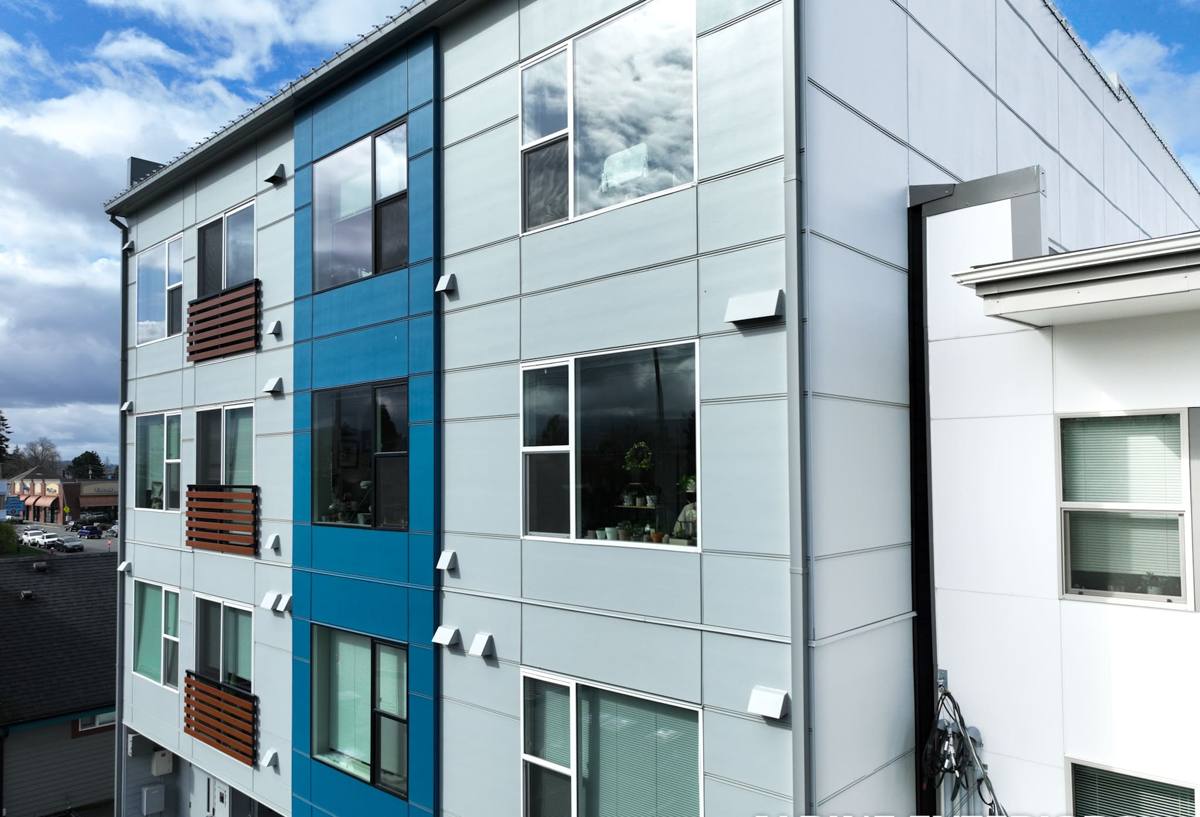
What This Climate Does to Windows Over Time
Whatcom County sits close enough to the water that salt-laden air travels inland on windy days, which speeds up corrosion on hardware, screens, and unprotected fasteners. Combine that with a valley floor that holds cold, damp air longer than the surrounding hills, and you get a few predictable failure patterns in older windows:
- Condensation building up between panes, a sign the seal has failed and the insulating gas (or plain air) has been replaced by moist outside air
- Soft or discolored trim and sills where wind-driven rain has been finding its way past old caulk or worn weatherstripping
- Moss and algae staining on north- and west-facing frames that stay shaded and damp for weeks at a time
- Swollen wood sashes on original single-pane wood windows that no longer close flush
- Drafts around the frame that show up specifically during wind-driven storms, not on calm days
None of these are dramatic on their own. Together, over a decade or two, they add up to higher heating bills, wall and sill rot, and windows that are harder to open every year. Sumas homes on the low ground near the valley floor tend to see this moisture-related wear a little earlier than homes up on higher, better-drained lots.
What a Correct Window Installation Actually Involves
The window unit itself is maybe half the job. The other half is everything around it — the part that decides whether the window stays watertight for twenty-plus years or starts leaking in three. A proper installation in this climate includes:
Flashing and Water Management
Every opening gets a sloped sill pan so any water that does get past the glass drains back outside instead of pooling on the sill. Flexible flashing tape wraps the corners and integrates with the house wrap or building paper in the correct shingle-lap order — top piece over the side pieces, side pieces over the sill pan — so water is always directed down and out, never trapped behind the siding.
Sealing Without Overdoing It
Sealant belongs at specific points: the exterior perimeter where the frame meets the cladding, and select spots the manufacturer specifies. It does not belong everywhere, and it is not a substitute for proper flashing. Windows that are just caulked heavily around the whole frame with no flashing behind them tend to trap whatever moisture does get in, which is worse than letting it drain.
Insulation at the Frame
The gap between the window frame and the rough opening gets filled with a low-expansion foam or backer rod and sealant — not rigid foam, which can bow the frame and cause the sash to bind. This gap is a common source of drafts when it's skipped or done with the wrong material.
Fastening and Structural Fit
The window has to be shimmed square and plumb before it's fastened, checked for proper reveal on all four sides, and tested for smooth operation before the crew moves on. A window that's slightly racked in the opening will bind, gap, or fail its weatherstripping seal early.
Signs a Sumas Home Might Need New Windows
- Visible fog or moisture trapped between panes of double-pane glass
- Cold drafts near the window frame, especially during windstorms
- Windows that are difficult to open, close, or lock
- Soft, discolored, or spongy wood trim around the window exterior
- Moss or dark staining building up on the frame or sill faster than the rest of the house
- Noticeably higher heating costs compared to similar-sized homes with newer windows
- Single-pane or original aluminum-frame windows original to an older home
Any one of these on its own might just mean a maintenance fix. Several at once, especially condensation between panes plus soft trim, usually means it's time to talk about replacement rather than repair.
Choosing the Right Window for This Climate
There's no single "best" window for every home — it depends on budget, the home's age and style, and how exposed the opening is to wind and rain. Here's how the common options compare for a Whatcom County home dealing with driving rain and long damp stretches:
| Frame Material | Moisture Behavior | Maintenance | Typical Fit |
|---|---|---|---|
| Vinyl | Won't rot or corrode; performs well against driving rain when properly flashed | Low — no painting or sealing needed | Most homes; best value for straightforward replacements |
| Fiberglass | Very stable in temperature and moisture swings; holds paint well if color changes are wanted later | Low | Homes wanting a more solid feel or larger openings |
| Wood-clad | Interior wood warmth with an exterior shell protecting against weather; clad seams need occasional inspection | Moderate | Homes prioritizing a traditional wood interior look |
| Aluminum | Prone to condensation and corrosion in salt-influenced air unless thermally broken | Higher | Generally not our recommendation for this area's climate |
We steer most Sumas homeowners toward vinyl or fiberglass for straightforward replacements — not because other materials can't work, but because they hold up with the least ongoing maintenance in a climate that already puts enough wear on the exterior of a house. If a homeowner wants a wood interior look, wood-clad units are a reasonable choice as long as the cladding and flashing detail are done correctly.
Glass Packages Worth Considering
Double-pane with low-E coating and argon fill is the standard baseline for good reason — it cuts heat loss and reduces condensation risk significantly over old single-pane glass. Triple-pane adds further insulation value and is worth discussing for north-facing rooms or homes right along more exposed, wind-open stretches of the valley, though it comes at a higher upfront cost and added weight the frame and hardware need to be rated for.
Our Installation Process
- On-site assessment — we look at each opening individually, not just the house as a whole. Sun exposure, wind exposure, and existing water damage all vary window to window.
- Accurate measurement and product selection — matched to the opening, the home's style, and the homeowner's budget and priorities.
- Removal of the old window — done carefully to check the condition of the framing and sheathing underneath before anything new goes in.
- Repair of any hidden damage — if we find soft framing or old water intrusion behind the old window, we address it before installing the new one, not after.
- Sill pan, flashing, and installation — following the sequence described above, every time, not just on the openings that "need it."
- Insulation, sealing, and trim — interior and exterior finish work matched to the home.
- Final operation check — every window opens, closes, locks, and seals correctly before we consider the job done.
Why Hire a Crew That Already Works in Sumas
A window crew that mostly works in drier climates can still install a technically fine window — and still get it wrong for this area, because the failure points here are specific: wind-driven rain finding gaps in flashing, valley humidity accelerating condensation issues, and moss holding moisture against frames longer than it would in a breezier location. Crews who work Whatcom County regularly recognize these patterns immediately, know which details actually matter for this climate, and aren't guessing at flashing sequences or product choices based on installations done somewhere drier.
There's also a practical side: a local crew can respond quickly if something needs a follow-up look, understands the permitting process for Whatcom County, and isn't traveling hours out of the way to get to a job in Sumas or the surrounding Lynden area.
What Affects the Cost of a Window Installation
| Factor | Why It Matters |
|---|---|
| Number and size of openings | More or larger windows means more material and labor |
| Frame material | Vinyl is typically the most budget-friendly; fiberglass and wood-clad cost more |
| Glass package | Triple-pane and specialty coatings add cost over standard double-pane low-E |
| Condition of existing framing | Hidden rot or water damage found during removal adds repair work |
| Full-frame vs. insert replacement | Full-frame replacement (tearing out to the rough opening) costs more than an insert but is often necessary when the existing frame is damaged |
| Access and second-story work | Harder-to-reach openings take more time and equipment |
We won't quote a price without seeing the actual openings — anyone who gives a firm number over the phone for a whole-house window job is guessing. What we can say honestly is that insert replacements into sound, undamaged frames are the more affordable end of the spectrum, and full-frame replacements with repair work are the higher end.
Maintenance That Extends the Life of New Windows
- Rinse frames and glass periodically to keep salt residue and grime from building up
- Keep gutters and downspouts clear so runoff isn't sheeting down across window openings
- Trim back vegetation that shades windows and keeps them damp longer than the rest of the house
- Check exterior caulk lines once a year and touch up if it's cracking or pulling away
- Operate locks and hardware a few times through the winter so they don't seize up from disuse
None of this replaces good installation — it just protects the investment once the work is done.
Ready for an Honest Look at Your Windows?
If you're dealing with drafts, fogged glass, or windows that just don't close the way they used to, we're happy to come take a look and give you a straightforward assessment — no pressure, no upsell. Fill out the form below for a free estimate on window installation for your Sumas home.