 Lynden Siding
 Board & Batten Siding Built for Sumas Weather
Sumas sits right up against the kind of weather that punishes siding faster than most homeowners expect. Between salt-laden air moving in off the Sound, driving rain that comes in sideways during winter storms, and a moss season that can stretch for months in the shade of a north-facing wall, this corner of Whatcom County is not a forgiving place to cut corners on an exterior. Board and batten siding — with its bold vertical lines, deep shadow reveals, and farmhouse-to-modern versatility — is one of the most requested looks we install here. But the look only holds up if the material underneath and the installation behind it are built for this specific climate, not just for a catalog photo.
We install board and batten exclusively in James Hardie fiber cement. That is not a marketing preference — it is a decision we made after years of watching what actually survives a Sumas winter and what quietly fails behind a nice paint job.
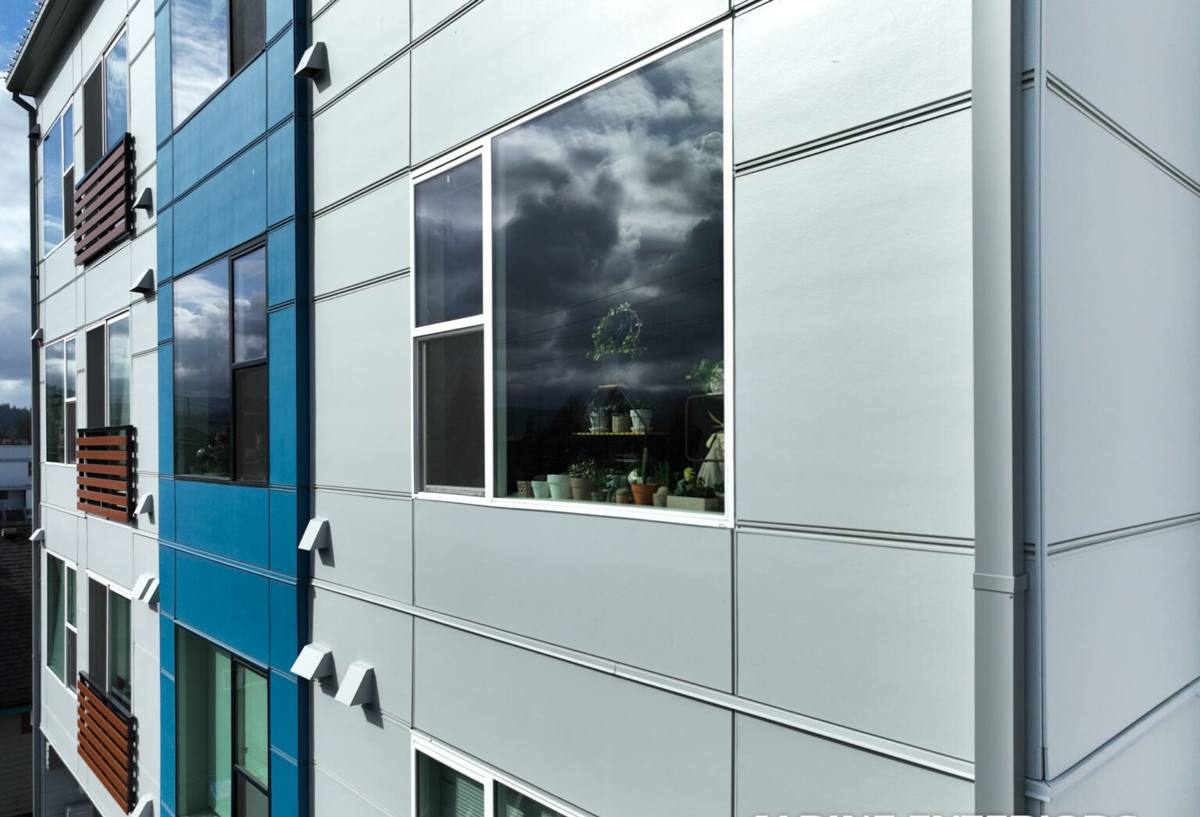
What Local Homes Actually Need From This Siding Style
Board and batten is a vertical siding pattern: wide boards or panels set edge to edge, with narrower battens covering the seams. That seam design is exactly why the material choice matters so much here. Every seam is a place where wind-driven rain can push moisture behind the cladding if the board underneath isn't dimensionally stable or the install isn't detailed correctly.
- Resistance to moisture wicking at the vertical seams, where driving rain hits hardest
- A factory finish that doesn't feed the moss and mildew that thrive in our long damp season
- Dimensional stability so boards don't cup, bow, or telegraph seams as they cycle wet and dry
- Corrosion-resistant fasteners and flashing, given the salt content in coastal air moving inland
- A finish that holds color and doesn't chalk or fade under repeated rain-and-sun cycling
Vinyl board and batten profiles can look convincing from the street, but vinyl expands and contracts significantly with temperature swings, which stresses the very seams this style depends on. Primed spruce and cedar board and batten look beautiful when new, but both are wood — they absorb moisture at cut ends and seams, and in a climate with this much sustained dampness, that means recoating, caulking, and eventually board replacement on a schedule most homeowners don't want to keep up with. We stopped installing wood and vinyl board and batten for exactly this reason.
What a Correct Board & Batten Installation Involves
The Water Management Layer
Before a single board goes up, the wall needs a weather-resistive barrier and properly integrated flashing at every window, door, and penetration. Board and batten's vertical seams create more linear feet of joint than horizontal lap siding, so the drainage plane behind it has to be done right — this is the step that separates a siding job that lasts twenty-plus years from one that traps moisture behind a good-looking face.
Board Layout and Fastening
James Hardie board and batten panels or vertical siding need to be fastened according to the manufacturer's specifications for our wind and moisture exposure — correct fastener type, spacing, and penetration depth matter more here than on a drier, calmer job site. Battens are set to cover seams fully with consistent reveals, which is what gives the finished wall that clean, deliberate look instead of an uneven, DIY appearance.
Trim, Caulking, and Transitions
Every outside corner, window return, and transition to roofline needs to be detailed with the right trim and sealant so the wall keeps shedding water the way it's designed to. This is where rushed installs fail first — small gaps that look fine on install day open up after a season of freeze-thaw and wind and become the entry point for the moisture problems board and batten is supposed to prevent.
James Hardie vs. Other Board & Batten Materials
| Material | Behavior in Driving Rain & Moss Season | Long-Term Maintenance |
|---|---|---|
| James Hardie fiber cement | Engineered for damp, wet climates; ColorPlus finish resists moisture staining and moss growth | Occasional wash; no recoating required with ColorPlus finish |
| Vinyl board & batten | Seams flex with temperature swings; can allow moisture intrusion at joints over time | Low upkeep but prone to cracking, fading, and impact damage |
| Primed spruce / cedar | Absorbs moisture at cut ends and seams; vulnerable to rot in sustained damp conditions | Regular repainting, caulking, and eventual board replacement |
| LP SmartSide | Engineered wood strand product; performs reasonably but remains wood-based at the core | Requires ongoing paint maintenance to protect the wood substrate |
We don't install the last three materials on this list. We're not going to tell a homeowner one of them is garbage — each has legitimate uses — but for a Sumas exterior facing our specific combination of salt air, sustained rain, and moss, fiber cement is the material that lets us stand behind the work for the long haul.
Our Process for a Sumas Board & Batten Project
1. On-Site Assessment
We walk the exterior, check the current siding and sheathing condition, and look specifically at the sides of the home most exposed to prevailing wind and rain. Board and batten shows every flaw in a wall's straightness more than horizontal lap does, so we flag any structural or sheathing issues up front rather than covering them.
2. Detailed Estimate and Product Selection
We walk through James Hardie's board and batten profile options, reveal widths, and ColorPlus color choices so the finished look matches the home and the neighborhood. You get a written scope before any work starts — no surprise change orders mid-project.
3. Tear-Off and Prep
Old siding comes off, sheathing is inspected and repaired as needed, and the weather-resistive barrier and flashing are installed correctly around every opening. This step gets more attention than any other, because it's the part nobody sees once the job is done.
4. Installation
Boards and battens go up to Hardie's fastening and clearance specifications, with careful attention to consistent reveals and tight, properly sealed trim details.
5. Final Walkthrough
We inspect every elevation with you before calling the job complete, so you know exactly what was done and what to expect from the finish over time.
Signs Your Current Siding Is Ready for Replacement
- Visible moss or dark streaking that returns within weeks of cleaning
- Soft spots, bubbling paint, or staining near seams and corners
- Boards that have cupped, warped, or pulled away from the wall
- Caulking that has cracked or shrunk away from trim and window edges
- Rising energy bills that suggest the wall assembly is no longer sealing properly
- A home that hasn't been resided in 20+ years and is due for an upgrade regardless of visible damage
What Affects the Cost of a Board & Batten Project
| Factor | Why It Matters |
|---|---|
| Home size and wall complexity | More corners, gables, and dormers mean more cutting, trim, and labor time |
| Condition of existing sheathing | Rot or water damage found during tear-off adds repair scope before new siding goes up |
| Reveal width and trim detail | Narrower battens and more elaborate trim take more material and installation time |
| Full re-side vs. partial/accent wall | A single feature wall in board and batten costs far less than a full home re-side |
| Color and finish selection | Factory ColorPlus finishes vary slightly in cost by color line but eliminate future painting |
We give a firm, itemized estimate after the on-site assessment rather than a rough number over the phone — every home's wall condition and layout is different, and a real number requires a real look.
Why It Matters That We Already Work in Sumas
A crew that works this part of Whatcom County regularly knows what a Sumas winter does to an exterior that isn't detailed correctly, because we've torn open enough old walls to see it firsthand — trapped moisture behind vinyl seams, rotted trim behind cracked caulk lines, moss-stained wood that was recoated one too many times instead of replaced. That local experience shapes how we flash, fasten, and seal every board and batten job we do here, rather than applying a generic install method built for a drier climate.
It also means we're not guessing at product selection. We know which James Hardie board and batten profiles and colors hold up best against sustained damp and moss pressure in this area, and we install to the fastening and clearance specs that matter most in a climate like ours — not just the minimum a manufacturer's manual allows.
Long-Term Care for James Hardie Board & Batten
One of the practical advantages of fiber cement in a climate like this is how little it asks of you afterward. An occasional rinse to clear pollen, dust, or early moss growth is typically all that's needed — there's no repainting cycle to manage the way there is with wood or engineered wood products. James Hardie's ColorPlus finish is baked on at the factory and backed by a substantial finish warranty, which matters in a region where UV and rain cycle hard on painted surfaces year-round.
If your Sumas home is due for new siding, or you're considering a board and batten look for a full re-side or an accent wall, we're happy to walk the property with you and put together a straightforward, no-pressure estimate. Use the form below to get started.