 Lynden Siding
 Siding Replacement Built for Laurel's Climate
Laurel sits in that stretch of Whatcom County where the weather never quite makes up its mind — damp air rolling in off the Salish Sea, long stretches of driving rain through fall and winter, and a moss season that seems to start earlier every year. Homes out here take a different kind of beating than siding in a dry inland climate is designed for. If you're looking at siding replacement for a Laurel home, the product and the installation both need to answer to that reality, not just look good on the day the crew drives away.
We've worked on homes throughout this part of Whatcom County long enough to know which failure patterns show up again and again — and almost all of them trace back to two things: a siding material that wasn't built for sustained moisture exposure, or an installation that skipped the details that keep water out. Get either one wrong and you're looking at a re-do in half the time a proper job should last.
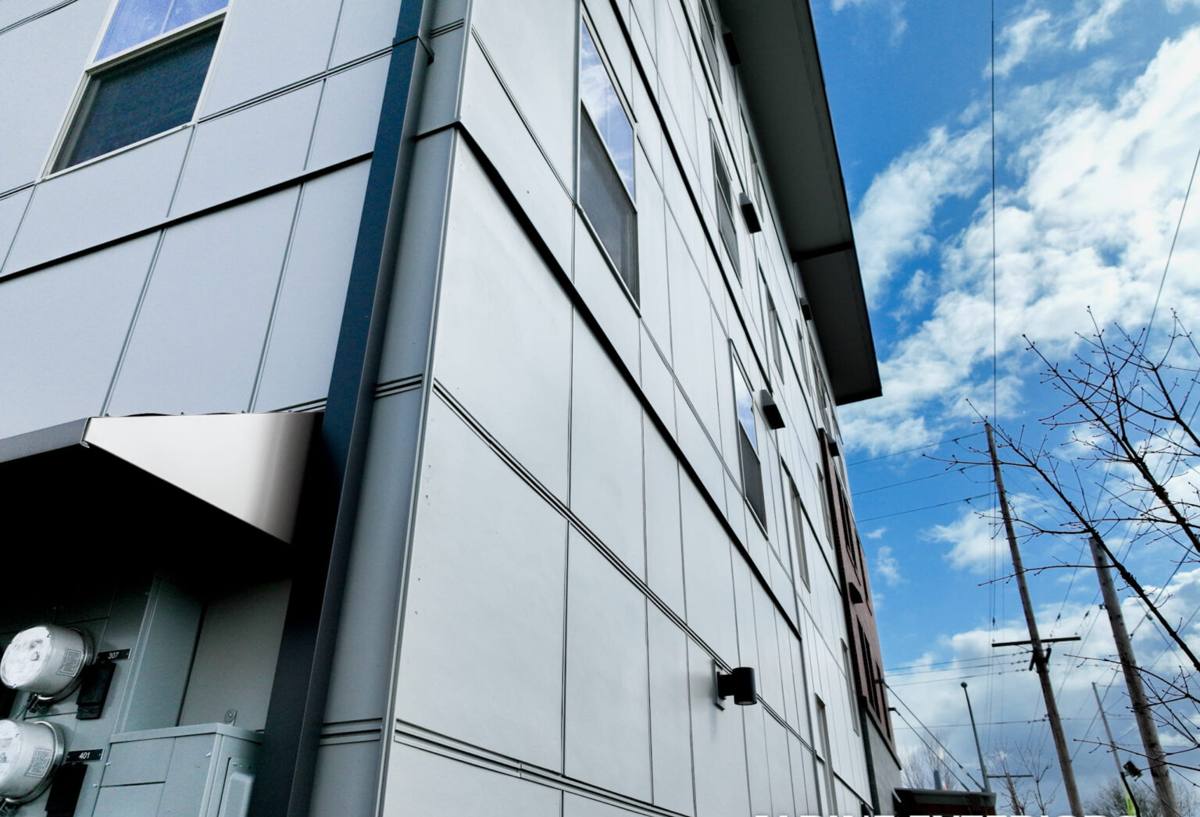
What Laurel Homes Are Up Against
Salt Air and Slow Corrosion
Proximity to the water means airborne salt finds its way onto exterior surfaces even well inland. Salt-laden moisture accelerates the breakdown of fasteners, trim, and any siding material that isn't dimensionally stable. Over years, that slow chemical wear shows up as pitting, corrosion streaks, and premature paint failure.
Driving Rain, Not Just Rain
Wind-driven rain is a different problem than a straight-down shower. It gets pushed sideways into laps, seams, and butt joints — the exact places where a siding system either sheds water or lets it in. A product or installation that performs fine in calm rain can still fail under wind-driven conditions if flashing, caulking, and overlap details aren't handled correctly.
Moss, Algae, and the Shade Problem
Long wet seasons combined with tree cover common to this area create ideal conditions for moss and algae growth on north-facing and shaded walls. Beyond the cosmetic issue, moss holds moisture directly against the siding surface for extended periods, which is exactly the kind of sustained dampness that wood-based and wood-derived products struggle to tolerate over time.
Why Material Choice Matters More Here Than Most Places
In a drier climate, you can get away with more. In Laurel's climate, the material you choose either sheds this kind of punishment for decades or starts showing problems within a handful of years. This is why we install James Hardie fiber cement siding exclusively — it's a non-combustible, cement-based product engineered to hold up under sustained moisture exposure without swelling, rotting, or delaminating the way wood-based sidings can when they stay wet.
Hardie's HZ5 product line is specifically engineered for climates like ours — freeze-thaw cycles, sustained moisture, and coastal-influenced air. Paired with the factory-applied ColorPlus finish, you get a color coat baked on under controlled conditions rather than field-applied paint, which holds up better against the fading and chalking that salt air and UV exposure cause over time.
How James Hardie Compares to Other Siding Options in This Climate
| Factor | James Hardie Fiber Cement | Wood-Based / Engineered Wood | Vinyl |
|---|---|---|---|
| Moisture tolerance | Engineered for sustained wet exposure | Prone to swelling, rot at cut edges and seams | Doesn't rot, but can warp and trap moisture behind it |
| Salt air resistance | Cement composition resists corrosion-driven breakdown | Coatings and edges vulnerable over time | Can become brittle and discolored |
| Moss/algae resistance | Non-organic material, doesn't feed growth | Organic content can support growth | Surface can host growth but material itself is inert |
| Fire rating | Non-combustible | Combustible | Combustible, can melt/deform under heat |
| Finish longevity | Factory-baked ColorPlus finish | Field-applied paint or primer, needs repainting | Color molded in, can fade and chalk |
What a Correct Siding Replacement Involves
Replacing siding isn't just pulling off the old material and nailing up the new. In a climate like Laurel's, the parts you don't see matter as much as the parts you do.
Tear-Off and Substrate Inspection
Once the old siding comes off, we inspect the sheathing underneath for hidden water damage, soft spots, or rot — problems that are often invisible from the outside but common on homes that have had moisture working behind failing siding for years. Any compromised sheathing gets addressed before anything new goes up. Installing new siding over a damaged substrate just hides the problem for a while.
Weather-Resistive Barrier and Flashing
A correctly installed weather-resistive barrier, proper window and door flashing, and correctly lapped house wrap are what actually keep wind-driven rain out of the wall assembly. Siding sheds the bulk of the water, but the barrier behind it is the backup system — and it's the layer most often installed incorrectly or skipped on rushed jobs.
Fastening and Clearances
James Hardie has specific fastening patterns, nail spacing, and clearance requirements — including gaps at grade, decks, and roof lines — that are engineered into the product's warranty. Skipping these details doesn't just risk cosmetic issues; it can void the manufacturer warranty entirely and let moisture into places it shouldn't be.
Trim, Caulking, and Joint Details
Butt joints, corners, and trim transitions are where driving rain finds its way in. Correct overlap, sealant selection, and joint treatment at every seam are what separate a siding job that holds up for decades from one that starts showing leaks in a few winters.
Our Process for a Laurel Siding Replacement
- On-site assessment. We walk the home, check current siding condition, look for signs of moisture intrusion, and note any areas with heavy shade, tree cover, or exposure to prevailing wind and rain.
- Material and color selection. We go over James Hardie's HZ product lines and ColorPlus color options suited to the home's exposure and your preferences.
- Written estimate. A clear scope of work and pricing before anything is scheduled — no surprise add-ons once the job is underway.
- Tear-off and substrate check. Old siding comes off, sheathing gets inspected, and any repairs are addressed and documented.
- Barrier, flashing, and installation. Weather-resistive barrier, flashing, and Hardie siding installed to manufacturer spec — fastening, clearances, and joint details done right the first time.
- Final walkthrough. We review the finished job with you before calling it complete.
Why Hiring a Crew That Already Works This Area Matters
A siding crew that mostly works drier, inland regions doesn't always think in terms of wind-driven rain exposure or moss-prone shaded walls — because they don't have to. Crews who regularly work Whatcom County's western half already build those considerations into every job: which walls need extra attention to flashing, how much clearance to leave given the local rain patterns, and which details actually matter versus which are just code minimums. That local pattern recognition is the difference between a job that looks right on installation day and one that's still performing correctly ten winters later.
Signs It's Time to Replace, Not Repair
- Visible warping, buckling, or separation at seams and corners
- Soft spots or a spongy feel when you press on the siding
- Persistent moss or algae growth that comes back shortly after cleaning
- Paint that's peeling, bubbling, or chalking heavily rather than just fading
- Visible gaps at trim, windows, or corner boards letting daylight or drafts through
- Rising energy bills with no other clear explanation, suggesting compromised insulation behind the siding
- Siding that's original to a home built more than 20-25 years ago, especially with wood-based or engineered wood products
Cost Factors to Understand Before You Budget
| Factor | Why It Affects Cost |
|---|---|
| Home size and wall complexity | More square footage and more corners, gables, and trim details mean more material and labor |
| Substrate condition | Hidden rot or water damage found during tear-off adds repair scope before new siding goes up |
| Siding profile and finish | Lap width, texture, and ColorPlus finish options vary in material cost |
| Accessibility | Multi-story sections, steep grades, or tight lot lines can affect labor time and equipment needs |
| Trim and detail work | Corner boards, window trim, and fascia replacement add scope beyond the field siding itself |
Exact numbers depend on your home's specific size and condition, which is why we walk the property in person rather than quoting sight unseen.
Let's Take a Look at Your Home
If your Laurel-area home is showing signs of wear from salt air, driving rain, or a moss problem that keeps coming back, it's worth getting an honest read on where things stand before it turns into a bigger repair. We offer free, no-pressure estimates — fill out the form below and we'll set up a time to take a look.