 Lynden Siding
 Roof Repair in Laurel: A Job Shaped by Lynden's Weather
Laurel sits in the quieter, rural stretch of Whatcom County just outside Lynden, and roofs out here take a beating that's different from what you'd see in a drier inland climate. Salt-tinged air drifts in with the marine weather patterns that move through this part of Washington, driving rain comes sideways during winter storms instead of falling straight down, and moss season isn't really a season at all — it's closer to eight or nine months out of the year under the tree cover common to Laurel's properties. A roof repair here has to account for all three, or it's a repair that fails again within a year or two.
We work in and around Lynden regularly, which means we're not guessing at what a Laurel roof needs. We've seen what this climate does to shingles, flashing, and sheathing over time, and we build every repair to hold up against it — not just to look fixed on the day we leave.
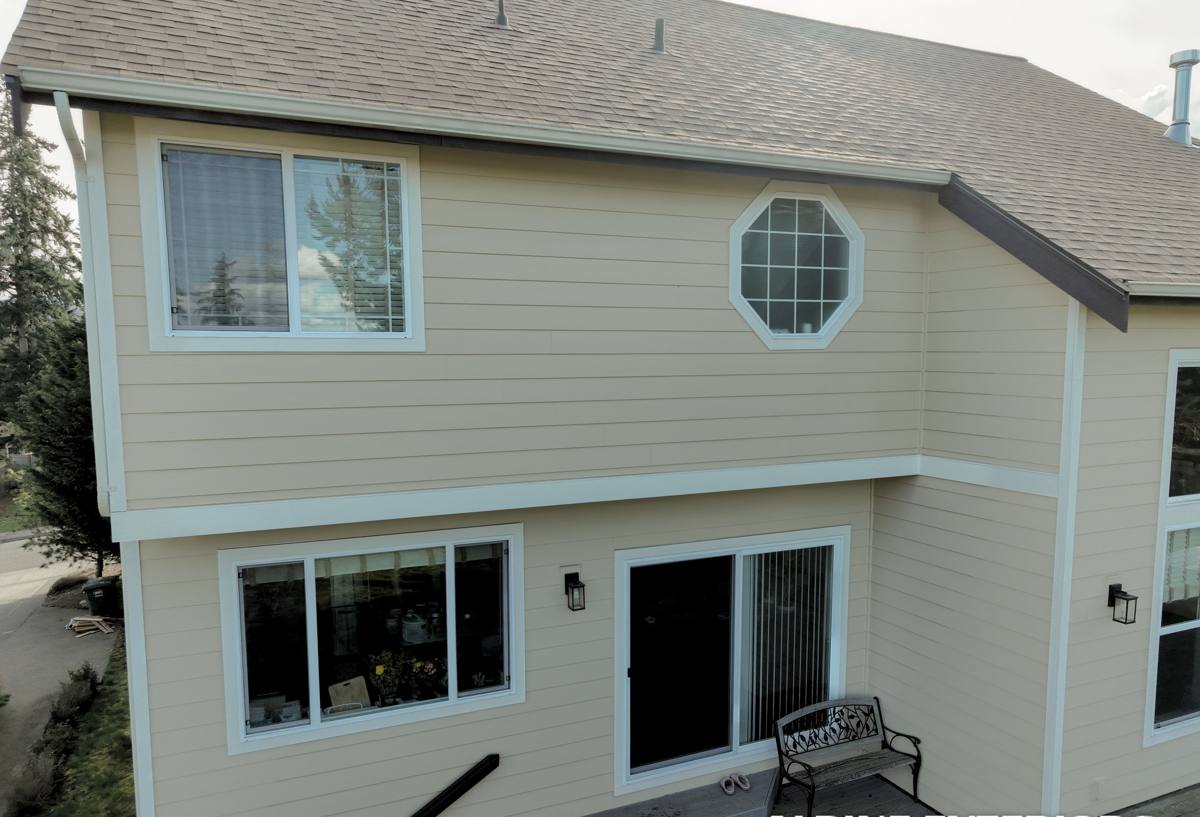
What Laurel's Climate Does to a Roof Over Time
Moss and Organic Growth
Shaded roof sections, north-facing slopes, and anywhere debris collects will grow moss in this climate, often within a single wet season. Moss isn't just cosmetic — it holds moisture against the roofing surface, lifts shingle edges as it grows, and works its way under tabs and around fasteners. Left alone, a moss patch that started as a minor eyesore becomes the starting point for a leak.
Wind-Driven Rain
Straight-down rain is fairly forgiving of small gaps and aging flashing. Driving rain isn't. When wind pushes water sideways and upward under shingle edges, at wall-to-roof transitions, and around penetrations like vents and chimneys, any weak point in the flashing or underlayment gets tested hard. This is why so many Laurel-area leaks show up at valleys, dormers, and chimney flashing rather than in the open field of the roof.
Salt Air and Metal Components
The metal parts of a roof — flashing, fasteners, vent caps, gutter hardware — take the slowest but steadiest hit from salt-laden air. Corrosion on fasteners and thinning flashing edges are common on older Laurel roofs, and once that metal starts failing, water finds its way in even if the shingles above look fine. A repair that ignores the metal and only addresses the visible shingle damage is a repair that hasn't solved the actual problem.
Signs a Laurel Roof Needs Repair, Not Just a Look
Most roof problems don't announce themselves as a dramatic leak. They show up as smaller signals first, and catching them early is what keeps a repair a repair instead of a full replacement. Watch for:
- Dark streaking or thick moss growth concentrated on one section or slope
- Granules collecting in gutters or at the base of downspouts
- Curling, cupping, or lifted shingle edges, especially after a windy storm
- Soft or discolored spots on interior ceilings, particularly near chimneys or skylights
- Visible rust or corrosion on flashing, vent boots, or exposed fasteners
- Daylight visible through the roof deck from inside the attic
- Sagging or uneven rooflines along valleys or eaves
- Shingles missing entirely after a windstorm, even just one or two
Any one of these on its own might be minor. Two or three together, especially in the same area, usually mean water has already been getting past the surface for a while.
What a Correct Roof Repair Actually Involves
Diagnose the Cause, Not Just the Symptom
A stain on the ceiling doesn't always mean the leak is directly above it — water travels along rafters and sheathing before it shows up inside. We trace the path back to the actual entry point before we touch a single shingle. Repairing the wrong spot is one of the most common reasons a "fixed" roof leaks again the next storm.
Clearing Moss and Debris the Right Way
Moss and organic debris need to come off before any repair work starts, and how it's removed matters. Aggressive scraping or high-pressure washing can strip granules and shorten the life of shingles that were otherwise fine. We clear growth and debris in a way that protects the surrounding roofing rather than damaging it further in the process.
Flashing and Underlayment — Where Most Leaks Start
Given how much wind-driven rain tests these transition points, flashing and underlayment get the closest attention on every repair. That means replacing corroded or undersized flashing at valleys, chimneys, and wall intersections, and installing proper underlayment — not just laying new shingles over old material and hoping the flashing underneath was fine.
Matching Materials So the Repair Holds and Blends
We match shingle profile and color as closely as the original product allows, and we're upfront when an older roof's shingles have weathered enough that a perfect match isn't possible. A repair should hold up structurally first — appearance is a secondary, honest conversation, not a promise we make and can't keep.
Common Roof Repair Jobs We Handle in Laurel
Every roof is different, but a few repair types come up again and again on homes in this area because of the climate they're up against.
| Repair Type | Common Cause in Laurel's Climate | What a Correct Fix Involves |
|---|---|---|
| Valley or flashing leak | Wind-driven rain forcing water past aging or undersized flashing | Remove and replace flashing, install proper underlayment, reseal transitions |
| Moss-damaged shingles | Extended shaded, wet conditions letting moss take hold | Careful moss removal, replace lifted or granule-stripped shingles, treat to slow regrowth |
| Storm-related shingle loss | High wind events common to winter storm systems | Replace missing/damaged shingles, check surrounding fasteners and seal lines |
| Chimney or vent leak | Corroded flashing or boots around roof penetrations | Replace flashing/boot, verify counterflashing and step flashing sequencing |
| Soft or rotting decking | Prolonged moisture intrusion from an undetected upstream leak | Cut out and replace affected sheathing before re-roofing that section |
Repair or Replace? Reading the Signs Honestly
Not every roof problem in Laurel calls for a repair, and not every one needs a full replacement either. We tell homeowners the truth about which situation they're in, based on a few practical factors:
- Age of the roofing material — a repair on a roof already near the end of its expected service life is often a short-term fix
- How widespread the damage is — isolated damage in one or two areas repairs cleanly; damage scattered across multiple slopes usually points to a systemic, age-related problem
- Condition of the decking underneath — soft or rotted sheathing changes the scope and cost of the job regardless of what the shingles look like
- How many past repairs are already on the roof — a roof with several patch jobs layered on top of each other is often past the point where another patch makes financial sense
When a repair is the right call, we do the repair. When it isn't, we say so plainly and explain why, rather than selling a patch we know won't hold.
Our Process, Start to Finish
Inspection and Honest Assessment
We start by getting on the roof and in the attic, tracing the actual cause of the problem rather than treating the first thing we see. You get a plain explanation of what's happening and why.
Written Estimate
You get a clear scope of work and price before anything is scheduled — no vague verbal estimates, no surprise add-ons once we're already on the roof.
The Repair Itself
Work is scheduled around Whatcom County's weather windows so materials go down dry and properly sealed. We protect landscaping and gutters during the work and keep the site clean throughout.
Cleanup and Warranty
We clear debris and old material from the property when we're done, walk the repair with you, and stand behind the work with a clear warranty on our labor.
Why a Crew That Already Works in Laurel Matters
A roofing crew that only sees Laurel once might treat a repair like a generic checklist. A crew that works this area regularly knows which roof ages and material types are common on Lynden-area homes, understands how Whatcom County's permitting works for roofing projects, and has a realistic sense of how fast weather can turn during a repair window. That local familiarity shows up in fewer surprises, faster diagnosis, and a repair that's built for what this specific climate will actually throw at it — not a generic set of conditions.
It also matters for response time. When a storm knocks shingles loose or opens up a leak, having a crew nearby that already knows the area means less time waiting and less time for water damage to spread while you wait for someone to show up.
Keeping a Laurel Roof Ahead of the Next Repair
A few habits go a long way toward stretching the time between repairs in this climate:
- Keep gutters clear so water isn't backing up under roof edges during heavy rain
- Trim back overhanging branches to reduce shade, debris, and moss buildup
- Have moss treated before it spreads, not after it's already lifted shingles
- Get a roof looked at after any major windstorm, even if nothing looks obviously wrong from the ground
- Address small leaks immediately — sheathing damage is what turns an affordable repair into a costly one
If you're dealing with a leak, storm damage, or just want an honest read on where your roof stands, we're glad to take a look. Reach out for a free, no-pressure estimate using the form below, and we'll give you a straight answer about what your roof actually needs.