 Lynden Siding
 Roofing in Kendall Means Building for Rain, Shade, and Moss
Kendall sits in the foothill country east of Lynden, where the tree canopy is thicker, the lots are bigger, and the roads run close to the Nooksack River drainage on the way toward Mount Baker. That setting is beautiful, but it's tough on a roof. Homes tucked under fir and cedar cover get less direct sun to dry out after a storm, which means shingles stay damp longer and moss gets a head start almost every year. Add in Whatcom County's long, wet fall-through-spring stretch and the marine-influenced air that moves inland off the Salish Sea, and you've got a climate that rewards roofing materials chosen for moisture resistance, not just looks.
Metal roofing is one of the few systems that genuinely holds up to that combination year after year. This page is about what metal roofing needs to do specifically for a Kendall property, what a correct installation looks like, and how our process works from first look to final walk-through.
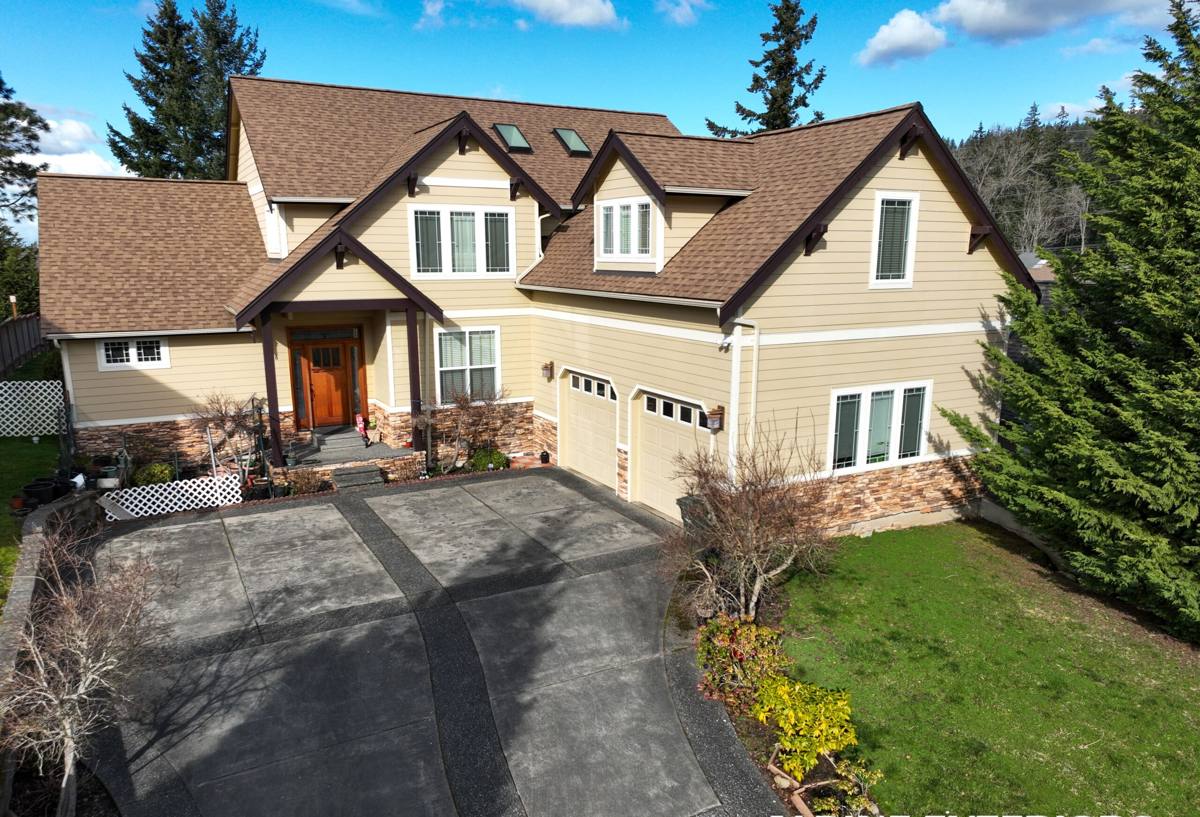
What Kendall's Climate Actually Does to a Roof
Shade and Moisture Together
The biggest factor for wooded, semi-rural properties like the ones common around Kendall isn't wind or hail — it's shade. A roof plane that stays damp under tree cover for days after a rain event is the perfect environment for moss and moisture-loving growth to take hold. On asphalt shingles, that growth works its way under the tab edges and slowly lifts them, letting water in underneath the surface layer rather than running off it.
Driving Rain and Long Wet Seasons
Whatcom County doesn't usually get dramatic downpours, but it gets sustained, wind-driven rain over many months of the year. That kind of exposure finds every weak seam, every under-driven fastener, and every spot where flashing was cut short. A roof here needs details that hold up to repetition, not just a single storm.
Debris Load
Properties near tree lines deal with needles, cones, and leaf litter collecting in valleys and behind chimneys. Left alone, that debris holds water against the roof surface and accelerates moss growth and material breakdown, regardless of what the roof is made of.
Why Metal Roofing Fits This Kind of Property
Metal roofing addresses these specific conditions in ways that matter for a shaded, damp lot:
- Moss has nothing to grip. A smooth, factory-finished metal surface doesn't offer the porous texture that moss and lichen use to establish themselves, so growth is far less likely to take hold compared to shingles, especially on north-facing or heavily shaded slopes.
- Water sheds fast. Metal panels move rain off the roof quickly rather than letting it sit and soak in, which matters most during the long stretches of steady Pacific Northwest rain rather than any single storm.
- It doesn't absorb moisture. Unlike the organic mat and granule surface of asphalt shingles, metal doesn't hold water against itself, so it isn't degrading from the inside the way a shaded shingle roof slowly does.
- Long service life reduces how often you're up there. A steep, tree-covered roof is not a fun or safe place to do repeated repairs. Metal's longer lifespan means fewer trips up the ladder over the decades you own the home.
Choosing the Right Metal Roofing System
Not all metal roofing is the same, and the right choice depends on the roof's pitch, the home's style, and your budget. The two systems we install most often are standing seam and exposed-fastener panels.
| Feature | Standing Seam | Exposed-Fastener Panel |
|---|---|---|
| Fasteners | Hidden under raised seams | Visible, driven through the panel face |
| Typical lifespan | 40-70 years with proper install | 25-40 years, fastener seals are the limiting factor |
| Best for | Low-slope sections, long-term ownership, higher-end appearance | Steeper roofs, outbuildings, budget-conscious projects |
| Maintenance | Minimal — no exposed fasteners to re-seat | Fastener washers should be checked periodically as they age |
| Upfront cost | Higher | More affordable |
For a wooded, damp lot like the ones common around Kendall, we generally recommend standing seam for the main roof planes where moisture exposure is highest, and we'll walk you through where an exposed-fastener panel is a perfectly reasonable choice — for example on a detached shop or lower-visibility roof section — if it fits the budget better.
Panel Gauge and Finish
Thicker steel gauge resists denting from falling branches and cone debris better than thin, lightweight panels, which matters on a treed lot. The paint finish matters just as much — a quality baked-on finish resists fading and chalking under years of UV and rain exposure, while a cheap coating will look tired within a decade. We'll go over gauge and finish options specific to your roof rather than defaulting to whatever is cheapest to stock.
What a Correct Metal Roof Installation Involves
Metal roofing performs well for decades, but only when the details underneath it are done right. A metal panel is not what keeps water out on its own — the system underneath it is doing most of the work.
- Underlayment: A synthetic or high-temp ice-and-water barrier under the panels, not a stripped-down felt layer, especially at eaves and valleys where water concentrates.
- Flashing at every penetration: Chimneys, vents, skylights, and wall-to-roof transitions are where most roof leaks actually start, metal or otherwise. Custom-bent flashing, not generic trim, is what keeps these points sealed.
- Fastener pattern and spacing: Correct spacing keeps panels secure without over-driving screws, which crushes the washer seal and starts a slow leak years down the road.
- Ventilation: Metal roofs need proper ridge and intake ventilation so moisture from inside the attic doesn't condense against the underside of cold metal panels.
- Valley and eave detailing: These are the highest-water-volume areas on any roof and need wider metal, not just a standard seam, to handle the flow during heavy rain events.
How Our Process Works
1. On-Site Evaluation
We walk the roof and the attic where accessible, note the pitch, shade exposure, existing ventilation, and any moss or moisture damage already present. This is also where we talk through standing seam versus panel options for your specific roof.
2. Written Estimate
You get a clear, itemized quote — material, tear-off if needed, flashing detail work, and ventilation upgrades called out separately so you know what you're paying for and why.
3. Tear-Off and Deck Inspection
We remove the old roofing and inspect the decking underneath for soft spots or rot, which is common on shaded roofs that have held moisture for years. Any deck repair is addressed before a single panel goes down.
4. Installation
Underlayment, flashing, panels, and ridge work go in following manufacturer specification, not shortcuts. We keep the site clean and protect landscaping and gutters throughout.
5. Final Walk-Through
We walk the finished roof with you, cover care and maintenance specific to your property's tree cover, and make sure you know what a healthy metal roof should look like going forward.
What Metal Roofing Costs and What Drives the Price
Metal roofing costs more upfront than asphalt shingles, and the final number depends on several project-specific factors rather than a flat rate.
| Cost Factor | Why It Matters |
|---|---|
| Roof pitch and complexity | Steep roofs and multiple valleys or dormers take more time and material to flash correctly |
| Panel type | Standing seam runs higher than exposed-fastener panel systems |
| Tear-off vs. overlay | Removing old roofing and repairing deck issues adds labor but is usually the right call on an older, moisture-affected roof |
| Ventilation upgrades | Adding proper ridge and intake venting where it's missing is a smaller cost that protects the whole system long-term |
| Access and tree clearance | Wooded lots sometimes need extra care or limited branch trimming to safely stage material and equipment |
We'll give you a real number after seeing the roof — not a phone estimate that changes once we're on the ladder.
Living With a Metal Roof in a Moss-Prone, Wooded Area
Metal roofing dramatically cuts down on moss compared to shingles, but it doesn't eliminate the need for basic upkeep on a shaded, tree-lined property. A short annual routine goes a long way:
- Clear needles, leaves, and cones from valleys and behind chimneys before they compact and hold moisture against the panel
- Keep gutters and downspouts flowing freely so water isn't backing up under the eave edge
- Trim back branches that overhang the roof to reduce debris load and let more air and light reach the surface
- Have panels and flashing points visually checked every few years, particularly after any major windstorm
This is a far lighter maintenance load than a shaded shingle roof needs, but it isn't zero — and we're upfront about that rather than overselling metal as maintenance-free.
Why Hiring a Crew That Already Works Kendall Matters
Metal roofing done wrong doesn't fail immediately — it fails slowly, at a fastener or flashing point, often years after the crew that installed it has moved on. A contractor who regularly works properties in and around Kendall has already seen how these roofs perform under real tree cover and real Whatcom County rain, not just in a showroom or a sunny-climate install guide. That experience shows up in the small decisions: how wide to run valley metal, where extra flashing is worth the labor, and which roof sections actually need standing seam versus where a panel system is the smarter dollar. It also means a crew that isn't guessing at drive times or availability when you need someone back out for a warranty check or storm follow-up.
A Quick Checklist Before You Hire
- Ask what underlayment they use at eaves and valleys, not just what panel brand they install
- Confirm whether they inspect and repair decking before panels go down, not after problems show up
- Ask how they handle ventilation, since a poorly vented metal roof can trap moisture in the attic
- Get the estimate in writing with flashing and ventilation work itemized separately
- Ask if they've worked on properties with similar tree cover and shade exposure nearby
If you're weighing metal roofing for a home in Kendall, we're happy to take a look and give you a straight, no-pressure estimate. Fill out the form below and we'll get in touch to schedule a time to walk your roof.