 Lynden Siding
 Window Installation Built for Everson's Weather, Not Just Any Weather
Everson sits in a part of Whatcom County where the weather doesn't do anything halfway. Rain comes sideways more often than straight down, the air carries a faint edge of salt even this far inland from the Sound, and shaded, tree-lined lots hold onto damp air long after a storm has passed. Windows here take a different kind of beating than windows in a dry climate, and they need to be installed with that in mind. A window that's simply "put in" will often look fine for a year or two. A window that's installed correctly for this specific climate is the one that still seals tight, opens smoothly, and keeps moisture out a decade later.
This page is about one job, done right, in one area: window installation for homes in and around Everson. Not a general overview of every siding or roofing service we offer — just what local homeowners actually need to know before they replace or add windows on a house that has to stand up to Whatcom County winters.
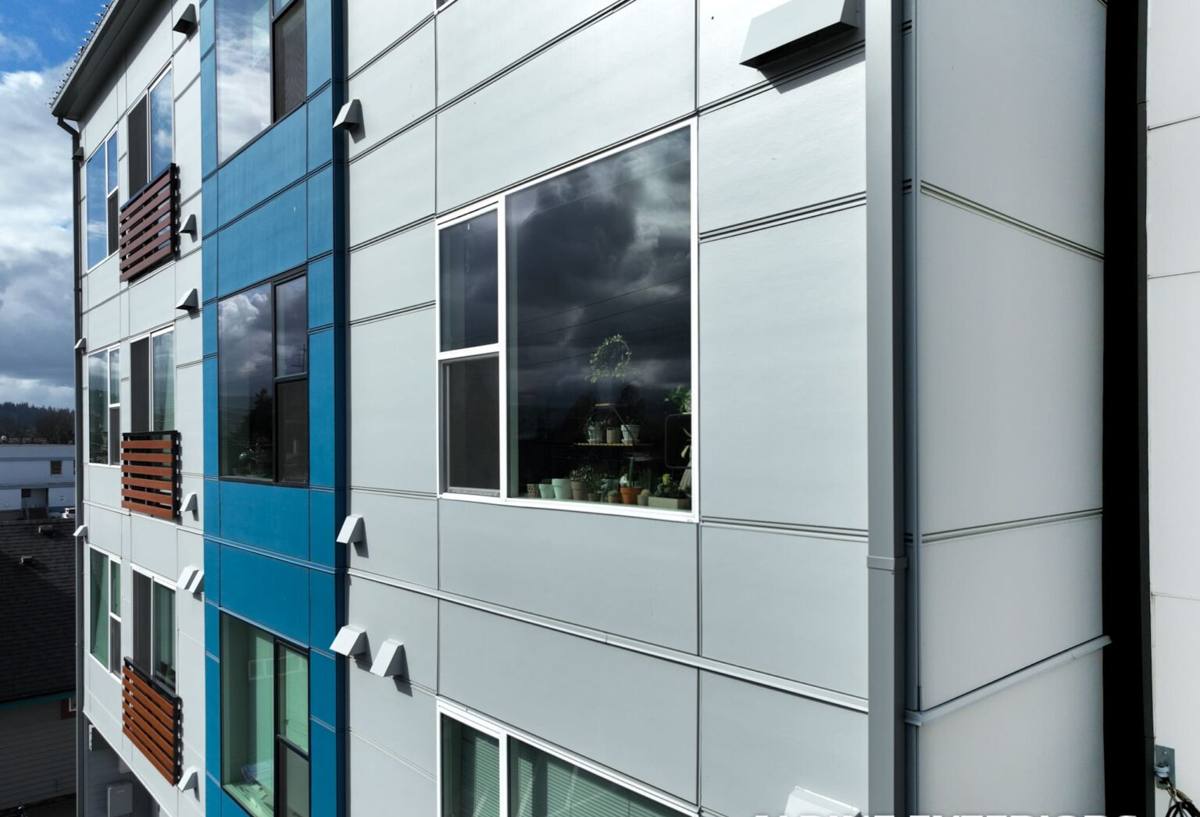
What Everson Homes Are Actually Up Against
Wind-Driven Rain
Whatcom County storms frequently push rain at an angle instead of straight down, which means water gets tested against window assemblies in ways a calm, vertical rain never would. Gaps in flashing or sealant that would go unnoticed in a mild climate become active leak points here. The window unit itself matters less than how it's flashed and sealed into the wall — that's where most water intrusion problems actually start.
Salt-Tinged Air
Even miles inland from Bellingham Bay, the marine air moving through this part of the county carries trace salt. Over years, that air accelerates corrosion on lower-grade hardware, fasteners, and metal flashing. It's not dramatic or sudden — it's a slow wear pattern that shows up as pitting on hinges, stiff or sticky sliders, and streaking around frames that never used to be there.
A Long Moss Season
Shaded lots, tall fir cover, and a wet season that runs long mean moss and algae don't just grow on roofs — they creep onto window sills, trim, and the caulk lines around frames. Constant moisture sitting against wood trim or worn sealant is one of the more common reasons we find rot starting at a sill long before the glass or frame itself is actually failing.
What a Correct Window Installation Actually Involves
Window installation isn't really about the window — it's about everything around it. The unit itself is a manufactured product; the installation is where a crew's skill and honesty actually show up.
Removal and Inspection
Old windows come out carefully so we can actually see the condition of the framing, sheathing, and sill underneath — this is where hidden rot or past water damage gets found. Skipping this step and just dropping a new window into a bad opening is how problems get sealed up instead of solved.
Flashing and Weather Barrier Integration
The flashing has to tie into the existing weather-resistive barrier in the correct shingle-lap order, so water is always directed out and down, never trapped behind the siding. In a climate with regular wind-driven rain, this step is non-negotiable — it's the single biggest factor in whether a window installation lasts.
Insulation and Air Sealing
The gap between the window frame and the rough opening needs to be filled with the right low-expansion insulating material — not stuffed with excess spray foam that can bow the frame, and not left with gaps that let in drafts and moisture-laden air.
Finish Work
Interior and exterior trim, caulking, and sealant beads get finished with attention to the same weather exposure the rest of the house sees. A rushed caulk line is often the first thing to fail in year one.
Choosing the Right Window Materials for This Climate
There's no single "best" window brand or material for every house — the right choice depends on sun exposure, budget, and how much upkeep a homeowner actually wants to take on. Here's an honest comparison of the frame materials we most often install or discuss with Everson homeowners.
| Frame Material | How It Handles This Climate | Maintenance |
|---|---|---|
| Vinyl | Good moisture resistance, no rot risk, performs well in wet climates | Low — occasional cleaning |
| Fiberglass | Very stable in temperature swings, holds paint well, strong against moisture | Low |
| Wood-clad | Handsome appearance, but the wood core is sensitive to any breach in the cladding seal | Higher — sealant and cladding joints need periodic checking |
| Aluminum | Durable frame, but conducts cold and is more prone to condensation in our damp winters | Moderate |
We're honest with homeowners about trade-offs rather than pushing one product. Wood-clad windows can look great on the right home, but we tell people upfront that any nick or gap in the exterior cladding becomes a moisture entry point that's harder to catch early than it is on vinyl or fiberglass. That's a maintenance and inspection commitment, not a flaw in the product itself — and it's worth knowing before you choose.
Our Process, Start to Finish
- Free on-site estimate — we look at your existing windows, framing condition, and what's driving the replacement (drafts, fogging, rot, aesthetics).
- Honest recommendation — we tell you what actually needs replacing and what doesn't, and walk through material options that fit your budget and the exposure of that side of the house.
- Scheduling around the weather — we plan installation days to minimize how long any opening sits uncovered, which matters a lot in a climate that doesn't give you a long dry window.
- Removal and inspection — old units come out, framing gets checked for hidden damage before anything new goes in.
- Installation — proper flashing, insulation, and sealing, done in the correct order every time.
- Finish and walkthrough — trim work completed, and we walk the job with you before we consider it done.
Signs Your Everson Home May Need New Windows
Not every window problem means full replacement, but these are the signs worth having a professional look at:
- Visible fog or moisture trapped between glass panes
- Drafts you can feel near the frame even when the window is closed
- Wood trim or sills that feel soft, spongy, or show dark staining
- Moss or algae growth building up on sills or exterior trim
- Windows that are difficult to open, close, or lock properly
- Visible corrosion or pitting on hinges, tracks, or hardware
- A noticeable rise in heating costs with no other explanation
- Condensation forming on interior glass regularly during winter
Why a Crew That Already Works Everson Matters
A window installer who works this specific area regularly already understands how Whatcom County's weather behaves house to house — which exposures take the worst of the wind-driven rain, which lots stay shaded and damp long enough to need extra attention at the sill, and how a long moss season affects trim and caulk lines over time. That's not something you get from a crew that installs windows the same way in every climate they work in. It shows up in the small decisions: how flashing gets lapped, what sealant is used where, and how much drainage room is left at the sill.
It also means fewer surprises during the estimate. We're not guessing at what your house is dealing with — we've seen the same rot patterns, the same moss buildup, and the same corrosion issues on homes near yours.
What Affects the Cost of Window Installation
Every home is different, but these are the factors that most commonly move the price up or down. We'll walk through your specific numbers during the estimate — this is just to help you plan.
| Factor | Why It Matters |
|---|---|
| Frame material | Vinyl, fiberglass, wood-clad, and aluminum all carry different material costs |
| Number of windows | Per-unit cost typically drops when multiple windows are done in one project |
| Condition of the rough opening | Hidden rot or framing damage found during removal adds repair time before the new window goes in |
| Window size and style | Larger units, custom shapes, or specialty glass affect both material and labor cost |
| Access and trim complexity | Second-story windows or detailed exterior trim take longer to finish properly |
As a broad range, homeowners in this area typically see costs from a few hundred dollars per standard window up into the low thousands for larger or specialty units — but the only way to know what your project actually costs is a real, on-site look at your windows and framing.
If you're dealing with drafty, foggy, or aging windows on your Everson home, we're happy to come take a look and give you a straight answer — no pressure, no upsell, just what your house actually needs. Use the form below to request a free estimate.