 Lynden Siding
 Why Birch Bay Windows Wear Out Faster Than People Expect
Birch Bay sits close enough to the water that salt air is a real factor in how building materials age, and windows take more of that abuse than almost anything else on a house. Salt-laden air corrodes hardware, pits aluminum components, and slowly breaks down the seals and coatings that keep a window performing the way it did the day it was installed. Add in Whatcom County's driving rain — the kind that comes in sideways off the water during winter storms — and you've got wind-driven moisture testing every seam, flange, and sealant joint on the window on a regular basis.
Then there's moss season, which around here runs long. Shaded sills, north-facing frames, and anything near overhanging trees or roof runoff stays damp for weeks at a stretch. That constant moisture doesn't just grow moss on shingles — it sits against wood trim and frame materials that aren't built to handle sustained wet exposure, and it can hide rot or seal failure until a window is already leaking.
None of this means windows in Birch Bay are doomed to fail early. It means the products and the installation have to be matched to the actual conditions here, not to a generic spec sheet written for a drier climate.
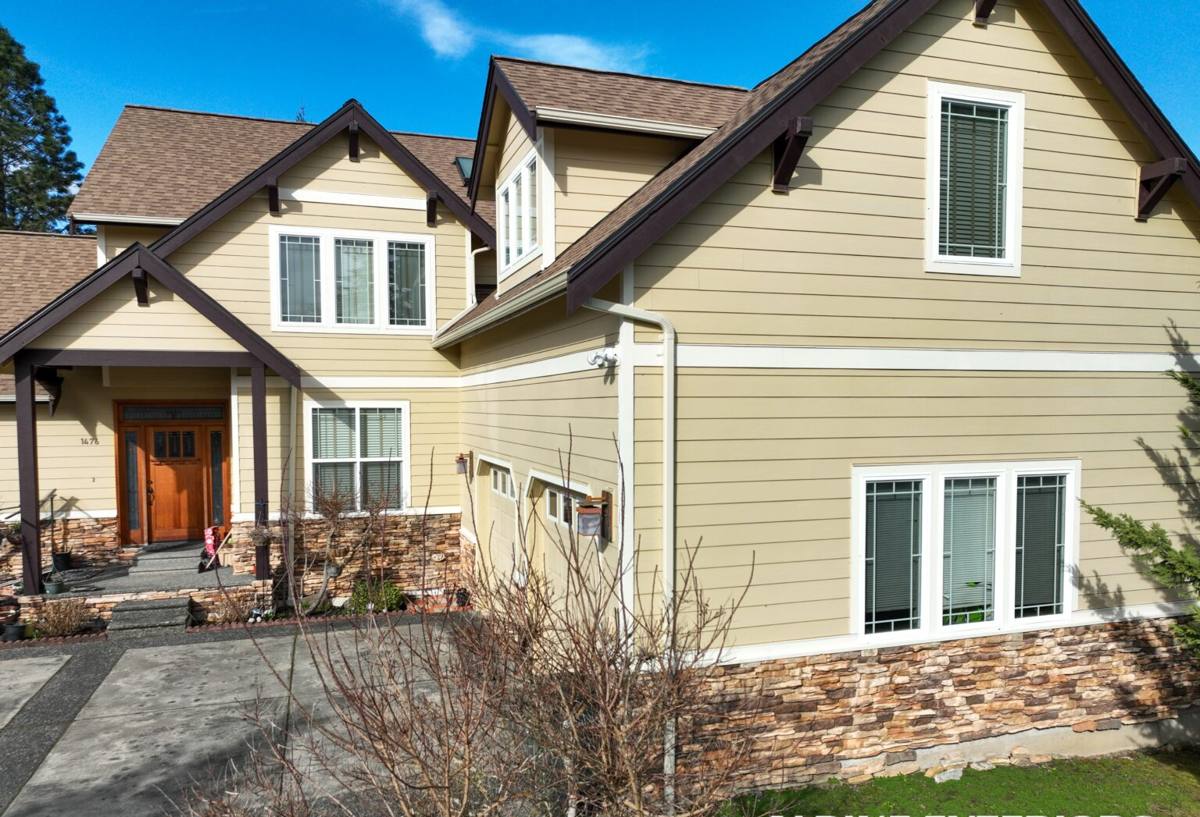
What "Energy-Efficient" Should Actually Mean for This Location
Energy-efficient windows get marketed with a lot of numbers, but only a few of them matter for a coastal Whatcom County home.
U-Factor
This measures how much heat the window lets escape. Lower is better. In our climate, a solid U-factor keeps heating costs down through the long, damp winters without needing anything exotic.
Low-E Coatings
A low-emissivity coating reflects heat back into the room in winter and blocks unwanted solar heat in summer. It also helps cut down on UV fading of flooring and furniture near south- and west-facing windows.
Gas Fill and Spacers
Argon or krypton gas between panes improves insulation, but it only works if the seal holding it in stays intact. This is where the salt air and moisture exposure come back into play — a warm-edge spacer system resists condensation and seal breakdown far better than older aluminum spacers, which corrode faster in a marine environment and are usually the first thing to fail.
Condensation Resistance
Homes near the water deal with more humidity swings than inland homes. A window with good condensation resistance keeps moisture from collecting on the interior glass, which over time can damage sills and trim.
Signs Your Current Windows Are Already Working Against You
Most homeowners don't replace windows because they woke up one day and decided to — they replace them because the windows started causing problems. Here's what we look for, and what you can check yourself before calling anyone.
- Visible fog or moisture trapped between panes — the seal has failed and the gas fill is gone
- Cold drafts near the frame even when the window is fully latched
- Windows that are hard to open, close, or lock, especially after damp weather
- Soft, discolored, or spongy wood on the sill or interior trim
- Visible moss, algae, or black staining on the exterior frame or sill
- Higher heating bills without any other explanation
- Condensation collecting on the inside of the glass regularly, not just on the coldest mornings
- Peeling paint or caulk that keeps failing no matter how often it's redone
One or two of these on an older window is normal wear. Several of them together, especially on windows facing the prevailing weather, usually means the window has reached the point where repair is a short-term patch, not a real fix.
Frame Materials: What Actually Holds Up Near Salt Air
Frame material matters more here than in a lot of other places, because the frame is what takes the brunt of the salt air and moisture exposure year after year. There's no single "best" choice for every home — it depends on your budget, your home's exposure, and how much upkeep you want to take on.
| Frame Material | How It Handles This Climate | Maintenance |
|---|---|---|
| Vinyl | Doesn't corrode or rot; handles salt air and moisture well; performance depends on quality of construction | Low — occasional cleaning |
| Fiberglass | Very stable in temperature swings and moisture; strong resistance to warping and corrosion | Low |
| Wood-Clad | Attractive interior wood look, but the exterior cladding and any exposed wood need to be well-sealed to handle driving rain and moss-season dampness | Moderate to higher — watch seams and caulk lines |
| Aluminum | Strong but prone to corrosion and pitting in salt air over time unless properly coated; also a poorer insulator unless thermally broken | Moderate — watch for corrosion |
We don't push one brand or one material on every job. What we do insist on is being upfront about the trade-offs — if a wood-clad window is what you want for the look, we'll tell you exactly what kind of sealing and upkeep it needs to hold up a quarter mile from the bay, rather than letting you find out the hard way.
Installation Is Where Most Window Failures Actually Start
A well-built window installed poorly will fail early. That's true everywhere, but it's especially true in a spot that gets sustained wind-driven rain. Most of the leaks and rot we get called out to fix aren't because the window itself was bad — they're because the flashing, sealing, or moisture barrier around it wasn't done correctly the first time.
What a Correct Installation Includes
- Removing the old window and inspecting the rough opening for hidden rot or water damage before anything new goes in
- Installing proper flashing that directs water away from the wall assembly, not just caulk over the gap
- Using a continuous weather-resistant barrier that ties into the house wrap correctly, so water can't get behind the siding
- Shimming and leveling the window so it operates properly and doesn't stress the frame over time
- Sealing with materials rated for exterior, marine-adjacent exposure — not whatever caulk happens to be on the truck
- Finishing the interior and exterior trim so there are no gaps for air or moisture to find
Skipping or rushing any one of these steps is how a brand-new, high-performance window ends up with a rotten sill five years later. It's also why we'd rather walk you through our process than just quote you a per-window price.
Our Process, Start to Finish
We keep this straightforward because window replacement shouldn't be a mystery.
1. On-Site Assessment
We look at your existing windows, check for any hidden moisture or rot around the openings, and talk through what's actually causing the problems you're noticing — drafts, condensation, high bills, or just windows that are past their working life.
2. Product Selection
We walk through frame material, glass package, and style options based on your budget and your home's actual exposure to wind and rain, not a one-size-fits-all recommendation.
3. Precise Measurement and Ordering
Windows are ordered to fit your specific openings. Rushing this step is a common source of gaps and callbacks, so we don't rush it.
4. Installation
Old windows come out, openings get inspected and repaired if needed, and new windows go in with proper flashing, sealing, and moisture barrier work — the details covered above.
5. Cleanup and Walkthrough
We clean up the job site and walk through the finished work with you so you know how the new windows operate and what to expect going forward.
What Affects the Cost
We're not going to quote a fixed price here, because it genuinely depends on your home. What we can do is tell you the main factors that move the number up or down, so you're not walking in blind.
| Factor | Why It Matters |
|---|---|
| Number of windows | More windows means more material and labor, but per-window pricing often improves with larger jobs |
| Frame material | Vinyl is typically the most budget-friendly; fiberglass and wood-clad cost more upfront |
| Glass package | Upgraded Low-E coatings, gas fills, and impact considerations add cost but improve performance and comfort |
| Condition of the opening | Hidden rot or water damage found during removal adds repair work before the new window can go in |
| Access and window size | Second-story, oversized, or hard-to-access windows take more labor time |
| Trim and finish work | Matching existing interior or exterior trim can add scope depending on your home's finish details |
A free on-site estimate is the only honest way to get real numbers, since two homes with the "same" ten windows can have very different actual costs once you factor in condition and access.
Why Local Experience in Birch Bay Actually Matters
A lot of window crews can install a window correctly on a dry, calm day in a low-exposure spot. Fewer of them have spent real time dealing with what this stretch of Whatcom County throws at a building envelope — sustained salt air, driving rain off the water, and a moss season that keeps everything damp longer than most inland homes ever deal with.
Working this area regularly means we've seen which sealants actually hold up here, which frame details tend to fail first, and where moisture tends to sneak in on homes with this kind of exposure. That's not something you get from a product manual — it comes from doing the work locally, on homes with the same conditions yours has.
It also means we're not guessing at permitting or code expectations for Whatcom County, and we're not disappearing to the next region over the moment the job is done. If a question comes up six months after installation, we're still local and still reachable.
Maintaining Your New Windows in This Climate
Even the best window and the best installation benefit from a little basic upkeep, especially this close to the water.
- Rinse exterior frames periodically to clear salt residue, especially after storms
- Check and clean weep holes so water can drain properly rather than pooling
- Keep an eye on caulk lines and re-seal if you notice cracking or gaps
- Trim back vegetation that keeps sills and frames shaded and damp
- Clear moss or algae buildup on sills and trim before it spreads or holds moisture against the frame
- Test locks and operation each season, since hardware is often the first thing affected by salt air
None of this is heavy maintenance — it's the kind of occasional attention that adds years to a window's working life in a marine climate.
If your windows in Birch Bay are drafty, fogged, hard to operate, or just past their working life, we're happy to take a look and give you a straightforward, no-pressure estimate. Use the form below to get started.