 Lynden Siding
 Blaine's Coastal Climate and What It Does to Windows
Blaine sits right up against the water in the northwest corner of Whatcom County, and that location shapes everything about how a window performs here. Salt-laden air moves off the water and settles on every exterior surface, including window frames, hardware, and fasteners. Add in driving rain that comes sideways during winter storms and a moss and mildew season that can stretch from fall through spring, and you have a climate that is genuinely tougher on windows than most inland parts of the county. A window that would hold up fine in a drier, more sheltered location can fail early here if it wasn't built and installed with this specific environment in mind.
Most of the window problems we get called out for in Blaine trace back to one of these three things: corrosion on hardware and metal components from salt exposure, water intrusion around the frame from wind-driven rain that standard sealing wasn't designed to resist, or slow rot and staining from moss, algae, and constant dampness sitting against wood trim and sills. None of these are dramatic, sudden failures. They're slow, and by the time you notice fogging glass, soft trim, or a window that won't latch cleanly, the damage has usually been building for a while.
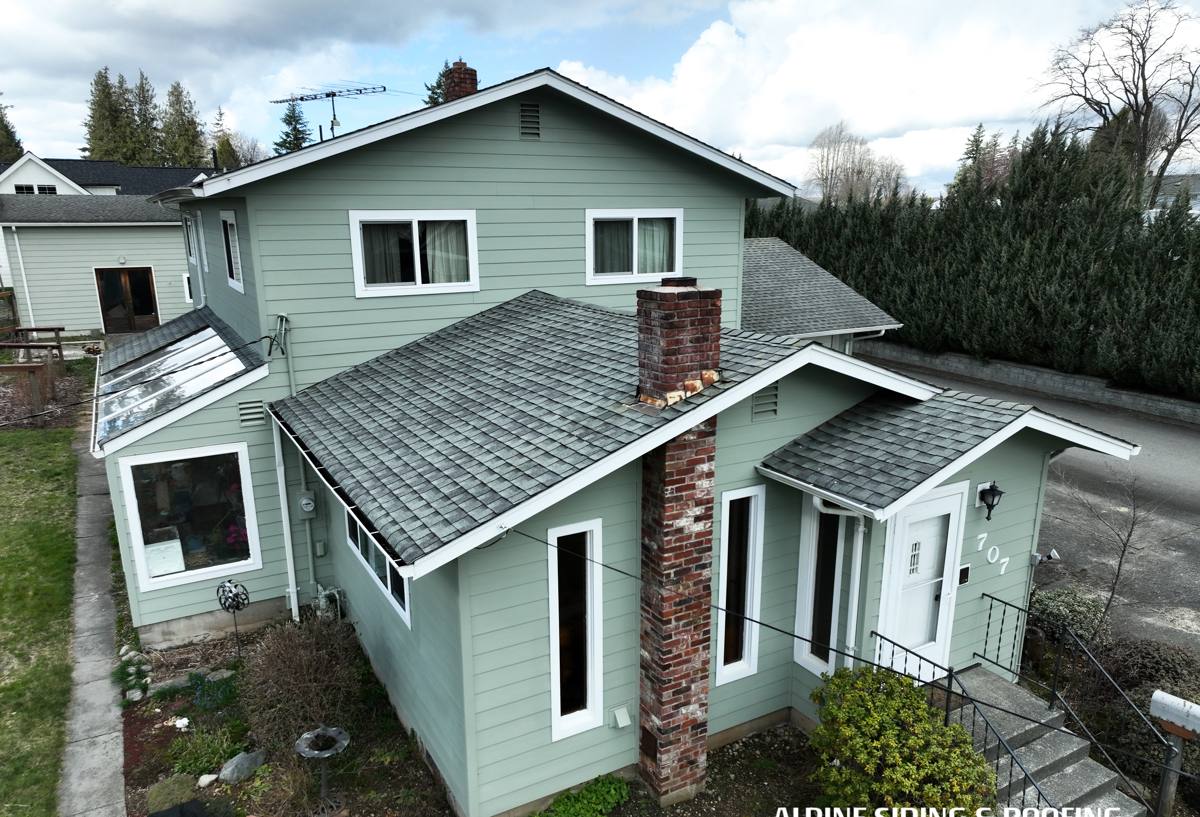
What a Correctly Installed Window Needs to Handle Here
Frame Materials That Hold Up to Salt Air
Salt air is corrosive to unprotected metal, which matters for both the window frame itself and the small hardware pieces — hinges, cranks, locks, and screws — that keep a window operating smoothly. Vinyl and fiberglass frames don't corrode at all, which is a big reason they're a common choice along this stretch of coastline. If a homeowner wants an aluminum-clad or metal-frame look, we make sure the cladding and any exposed hardware are rated for coastal or marine exposure, and we use stainless or corrosion-resistant fasteners rather than standard hardware that will start pitting within a few seasons.
Glazing and Weatherstripping for Driving Rain
Wind-driven rain doesn't just fall on a window, it pushes against it, and a lower-grade window can let water past the sash even when it looks sealed. For homes with exposure toward open water or prevailing weather, we pay close attention to the window's design pressure rating and the quality of its weatherstripping, not just its energy efficiency numbers. A window can have a great insulation rating and still leak in a sideways storm if its air and water infiltration ratings aren't up to the job.
Flashing and Drainage to Beat Moss and Mildew
Moss and algae need two things to take hold around a window: constant moisture and a surface that holds it. Correct flashing and a sloped sill pan move water away from the frame instead of letting it sit and soak in. Weep holes have to stay clear so trapped moisture can drain instead of collecting behind trim, which is one of the most common causes of hidden rot we find on older Blaine homes when we pull old windows out.
Signs a Blaine Home Needs New or Repaired Windows
- Fogging or cloudiness between panes, which means the seal has failed and the insulating gas has escaped
- Soft, discolored, or spongy wood trim around the window frame, especially on north- or west-facing walls
- Visible pitting, chalky residue, or corrosion on hinges, cranks, or locking hardware
- Moss, algae, or dark streaking building up on the sill or lower frame faster than it can be cleaned off
- Drafts or a noticeable temperature difference near the window even when it's fully closed and latched
- Difficulty opening, closing, or locking the window smoothly
- Visible daylight or gaps around the frame from outside
- Water staining on interior drywall or trim below or beside the window after a storm
Any one of these on its own might just need a repair. Several at once, especially on the same window, usually means the unit or its installation has reached the end of its useful life.
Comparing Window Frame Options for Coastal Whatcom County Homes
| Frame Material | Salt Air Resistance | Maintenance | Typical Cost Tier |
|---|---|---|---|
| Vinyl | Excellent — will not corrode | Low, occasional cleaning | Lower |
| Fiberglass | Excellent — very stable in coastal exposure | Low | Mid to upper |
| Aluminum-clad wood | Good, if cladding and hardware are marine-rated | Moderate — cladding low upkeep, wood interior needs periodic attention | Upper |
| Solid wood | Fair — needs diligent sealing and repainting to resist moisture and rot | High — regular inspection and refinishing | Upper |
There's no single "correct" material for every home — a lot depends on the home's style, how exposed a given wall is to weather, and what look you're going for. What matters more than the label on the frame is whether the specific product and hardware are appropriate for a coastal, high-moisture climate, and whether it's installed with the flashing and sealing details that this environment demands.
Our Custom Window Process in Blaine
On-Site Assessment and Measurement
We start by looking at the actual condition of the existing windows and the wall assembly around them, not just the glass. That means checking for hidden moisture damage, assessing which walls take the worst weather exposure, and taking precise measurements, since older homes in this area often have openings that aren't perfectly standard sizes.
Product Selection
We walk through frame material, glazing package, and hardware options based on where the window sits on the house and what that side of the building deals with. A window on a wall that catches wind-driven rain gets a different conversation than one that's sheltered under an eave.
Removal and Installation
Old windows come out carefully to avoid damaging surrounding siding or trim. Once the opening is exposed, we check the sheathing and framing underneath for any rot or damage that needs to be addressed before a new window goes in — installing a new window over a compromised opening just hides a problem instead of fixing it.
Flashing, Sealing, and Weatherproofing
This is the step that determines whether a window actually performs in Blaine's weather over the long run. Correct sill pan flashing, properly lapped house wrap or building paper, and quality sealant at every joint are what keep wind-driven rain out, regardless of how good the window itself is.
Final Walkthrough and Cleanup
We test every window for smooth operation and a tight seal, clean up the work area, and walk through the finished job with you before we consider it done.
Why Hire a Crew That Already Works in Blaine
A contractor who works this specific stretch of Whatcom County coastline sees the same failure patterns over and over — which walls take the worst wind-driven rain, how fast moss builds up on north-facing trim in this climate, and how quickly unprotected hardware corrodes near the water. That experience shows up in small decisions: which flashing details actually hold up here, which hardware is worth the upgrade, and which shortcuts cause callbacks two winters later.
It also matters for logistics. A local crew knows the permitting process for the jurisdiction, isn't guessing at lead times for materials, and can get back out to your property quickly if something needs a follow-up look after a storm. That kind of accountability is harder to get from a company that's just passing through the area for one job.
Cost Factors for a Custom Window Project
Pricing on window projects varies a lot based on frame material, glazing package, number of openings, and whether the surrounding trim or siding needs repair once the old window comes out. As a rough guide, a straightforward vinyl replacement window runs at the lower end of the range, while fiberglass, custom shapes or sizes, higher-performance glazing, or wood-framed units with cladding push costs up. Homes where we find hidden rot or damaged sheathing behind an old window will also see added cost for that repair work, which is exactly why a thorough assessment up front matters — it's better to know the real scope before work starts than to get a surprise mid-project.
Maintaining New Windows Through Whatcom County's Wet Season
Even a well-installed window benefits from a little seasonal attention in this climate. Rinsing salt residue off frames and hardware a few times a year helps slow corrosion, especially on anything with moving parts. Keeping weep holes and sill areas clear of moss, leaves, and debris lets water drain the way it's designed to instead of pooling against the frame. And a quick visual check of caulking and sealant once a year, particularly after a rough winter, catches small gaps before they turn into water intrusion.
If you're dealing with drafty, foggy, or corroded windows on your Blaine home, we're happy to take a look and talk through honest options for your specific home and budget. Reach out for a free, no-pressure estimate using the form below.