 Lynden Siding
 Siding Replacement for Aldergrove, BC — Handled by a Crew Already Working This Corner of the Border
Aldergrove sits close enough to Lynden that the two communities effectively share a climate, a landscape, and a border crossing. A siding contractor based in Lynden isn't driving in from across a metro area to reach Aldergrove — it's a short hop up the road, through country that looks and behaves the same on both sides of the line. That matters more than it sounds like it should, because siding is one of those projects where local familiarity with weather patterns, drainage behavior, and how homes age in this specific pocket of the Pacific Northwest actually changes the outcome.
This page covers one service for one area: full siding replacement for homes in and around Aldergrove, BC. Not a paint-over, not a patch job — a real replacement, done to a standard that holds up against what this climate does to a house year after year.
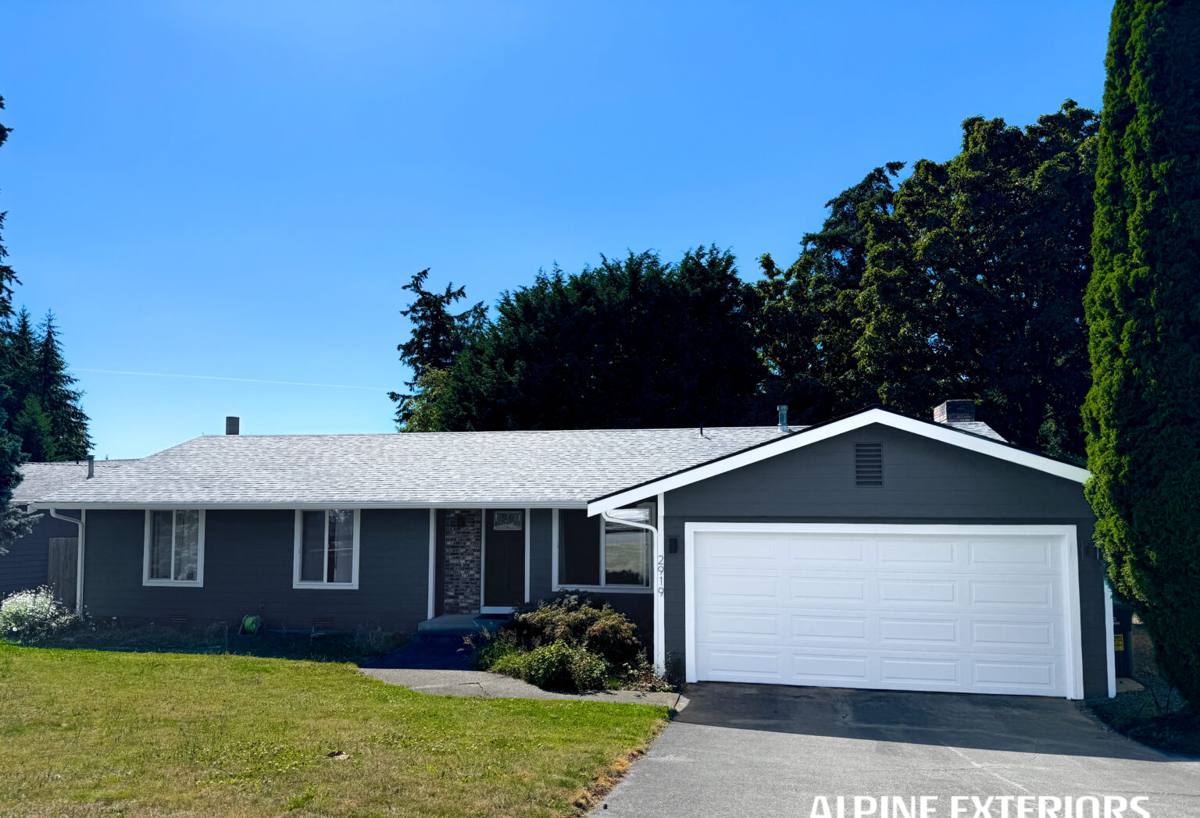
What This Climate Actually Does to Siding
Whatcom County and the Fraser Valley share the same weather system, and Aldergrove's proximity to Boundary Bay and the Strait of Georgia means homes here deal with a specific combination of stresses that a generic siding page won't address.
Salt Air and Humidity
Even well inland from open saltwater, marine air moving up the valley carries enough salt and moisture to accelerate corrosion on fasteners, staining on painted surfaces, and breakdown of anything not built to handle a damp, salt-tinged atmosphere day after day. Siding that's fine in a dry inland climate can fail early here.
Driving, Wind-Driven Rain
Storms coming off the Pacific don't just fall straight down — wind pushes rain sideways into wall assemblies, working it behind laps, around trim, and into any gap a rushed installation left open. A siding system is only as good as the flashing and drainage plane behind it; the cladding itself is the last line of defense, not the only one.
Moss Season
Tree cover, shaded north walls, and a long wet season mean moss and algae get a real foothold on siding that stays damp. Some materials resist this better than others, and how a wall is detailed — soffit venting, ground clearance, gutter placement — matters as much as the siding product itself.
None of this is unique to Aldergrove specifically, but it's the reality of this stretch of the border region, and it's why a replacement done for a drier climate's assumptions doesn't hold up here.
Signs a Repair Won't Cut It Anymore
Not every siding problem means a full replacement, but there's a point where patching becomes a waste of money. Look for:
- Soft or spongy spots when you press on the siding, especially near the bottom courses or below windows
- Paint that won't hold — bubbling, peeling, or needing a repaint every few years
- Persistent moss or dark streaking that comes back within a season of cleaning
- Visible warping, buckling, or gaps opening up at seams and corners
- Cracked or delaminating panels, particularly on older wood or engineered wood siding
- Rot or staining showing up on interior walls near exterior corners — a sign moisture is already past the cladding
- Siding that's simply reached the end of its expected service life, even if it looks okay from the street
If more than one or two of these show up on the same wall, that wall has likely been taking on moisture for a while, and a spot repair just seals a problem in rather than solving it.
What a Correct Siding Replacement Actually Involves
Siding replacement isn't just removing old panels and nailing up new ones. Done right, it's a full rebuild of the wall's moisture management system, with the visible siding as the final layer:
- Tear-off and inspection — removing the old siding to expose the sheathing and framing, checking for hidden rot or water damage before anything new goes up
- Sheathing repair — replacing any compromised sheathing rather than covering it over
- Weather-resistive barrier — installing a proper drainage plane that lets any moisture that gets behind the siding drain and dry out instead of sitting against the wall
- Flashing at every penetration — windows, doors, hose bibs, light fixtures, and roof intersections all need flashing detailed to shed water outward, not funnel it in
- Correct fastening — following the manufacturer's fastening pattern and clearances, not a generalized approach
- Ground and roof clearance — keeping siding the recommended distance from grade, decks, and roof lines so it isn't sitting in standing moisture
- Trim, caulking, and finish work — the details that keep water from finding a way in at corners and terminations
Skip any one of these steps and the new siding can look great for a year or two before the same moisture problems resurface — often worse, because they're now hidden behind fresh material.
Why We Install Only James Hardie Fiber Cement
We standardized on James Hardie fiber cement siding and don't install vinyl, LP SmartSide, Cemplank, Allura, primed spruce, or cedar. That's a deliberate call, not a sales default, and it's worth explaining honestly rather than just asserting.
Vinyl is inexpensive and low-maintenance in the sense that it never needs paint, but it expands and contracts with temperature swings, can crack in impacts, and doesn't hold up structurally the way a rigid, non-combustible material does. Wood species like cedar and primed spruce look excellent and plenty of homeowners love that look, but they demand ongoing maintenance — refinishing, sealing, and vigilance against rot — that's a real, recurring cost in a climate this wet. Engineered wood products like LP SmartSide perform well when installation and maintenance are done exactly to spec, but they're more sensitive to moisture intrusion at cut edges and gaps than fiber cement, which raises the stakes if a crew cuts corners. Fiber cement alternatives to Hardie exist and some are reasonable products, but we've standardized on one manufacturer so our crews are deeply fluent in one install system rather than juggling several.
James Hardie's fiber cement is non-combustible, holds paint far longer thanks to the factory-applied ColorPlus finish, and its HZ product lines are engineered specifically for climate zones like ours — built around the reality of sustained moisture rather than a dry-climate assumption. It also carries a strong, transferable warranty when installed to Hardie's specifications, which is exactly why correct installation (see above) isn't optional — it's what makes that warranty mean something.
Comparing the Options
| Factor | James Hardie Fiber Cement | Vinyl | Cedar / Primed Wood | LP SmartSide |
|---|---|---|---|---|
| Moisture resistance | Engineered for wet climates (HZ lines) | Doesn't rot, but traps moisture behind it if installed poorly | Absorbs moisture; needs sealing/refinishing | Good if intact; vulnerable at cut edges and gaps |
| Maintenance | Repaint rarely needed; factory finish holds color | Low, but fades and can crack over time | High — regular refinishing required | Moderate; paint maintenance still needed |
| Fire resistance | Non-combustible | Melts/deforms under heat | Combustible | Combustible (engineered wood) |
| Typical lifespan | Decades when installed to spec | Decades, but appearance degrades | Shorter without diligent upkeep | Long if maintained, shorter if neglected |
| Warranty | Strong, transferable when installed correctly | Varies by product line | Typically none beyond material defects | Manufacturer-specific, installation-sensitive |
This is a general comparison, not a claim that every alternative product fails — it's the reasoning behind why we chose to specialize in one system rather than offer all of them.
Our Process, Start to Finish
A siding replacement for an Aldergrove-area home follows the same disciplined process regardless of which side of the line the house sits on:
- On-site assessment of the existing siding, sheathing condition, and problem areas
- Honest conversation about whether the wall needs full replacement or targeted repair
- A written estimate covering material, labor, and scope — no vague allowances
- Tear-off, sheathing inspection and repair, new weather-resistive barrier, and flashing at every penetration
- James Hardie installation to manufacturer fastening and clearance specifications
- Final walk-through and punch-list before we consider the job finished
Because we already work this corridor between Lynden and the border, scheduling and material logistics for an Aldergrove job aren't an afterthought — it's routine for us.
Why Local Experience on This Specific Stretch Matters
A lot of siding problems in this region trace back to installers who did solid work for a different climate. Homes here need wall assemblies detailed for sustained wet weather, shaded moss-prone exposures, and salt-tinged marine air — not just a generic install pattern from a manual written somewhere drier. A crew that already works the Lynden-to-Aldergrove corridor has seen how homes in this specific area actually age, which walls take the worst of the wind-driven rain, and where moss tends to set in first. That's the kind of pattern recognition that only comes from doing the work here repeatedly, not from a single visit.
If your Aldergrook-area home is due for new siding, we're happy to take a look and give you a straightforward, no-pressure estimate — use the form below to get started.