 Lynden Siding
 Building Decks for Abbotsford's Climate, Not a Catalog Photo
Abbotsford sits in the Fraser Valley, close enough to Whatcom County that a lot of homeowners cross the border every week without thinking twice about it. The weather doesn't stop at the line either. Moisture-laden marine air, long stretches of driving rain from fall through spring, and a moss season that can run most of the year all put real stress on an outdoor deck. A deck built to look good on a dry install day in July is a different animal from a deck built to survive its fifth soggy November. We build for the second one.
A lot of what passes for "deck building" is really just carpentry with no regard for what happens after the crew leaves. Framing gets buried under decking with no way to dry out, flashing gets skipped because it's not visible, and fasteners get chosen for price instead of performance in wet wood. None of that shows up as a problem on day one. It shows up two or three winters later as soft spots, rust streaks, or a railing post that's gone spongy at the base.
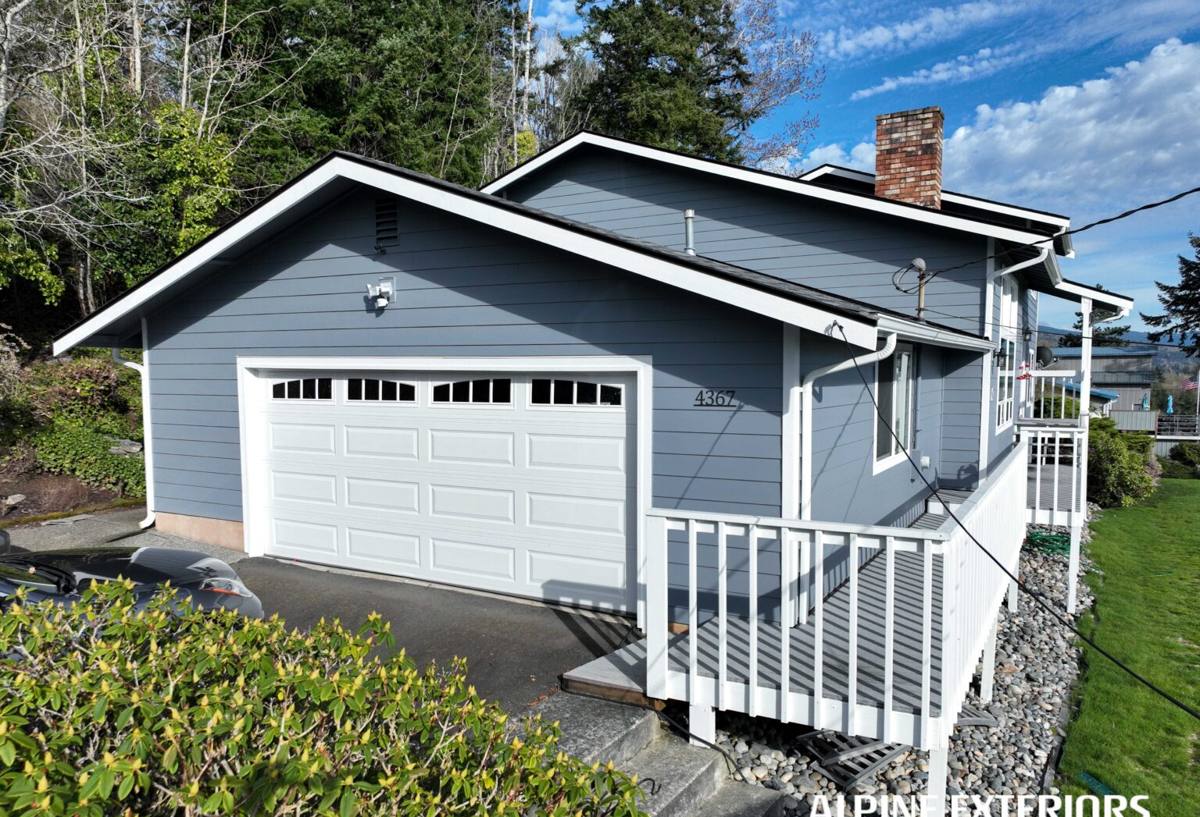
What This Climate Actually Does to a Deck
Moisture That Doesn't Let Up
The Fraser Valley doesn't get hit with one big storm and then dry out — it gets weeks of low-grade dampness punctuated by heavier rain. That pattern matters more than any single downpour. Wood that never fully dries between rain events is what feeds rot, and it's why ledger boards, joist tops, and post bases are the first places a poorly built deck fails.
Moss and Organic Buildup
A long moss season means anything horizontal — decking boards, stair treads, the tops of railing caps — collects a film of moss and algae if it can't shed water and get airflow underneath. Beyond making a deck slippery, that buildup holds moisture against the surface and speeds up wear on both wood and composite products.
Coastal-Influenced Air
Being close to the Salish Sea and Georgia Strait means the region's air carries more salt and moisture than an inland climate would. It's not the same direct salt exposure as an oceanfront property, but it's enough to matter for fastener choice and hardware finish over a 15-to-20-year deck life.
Decking Material Comparison for This Region
There's no single "best" decking material — there's a best fit for your budget, your maintenance appetite, and how much shade or standing water your site sees. Here's how the common options actually perform in a wet Pacific Northwest climate, not in a sales brochure.
| Material | Moisture Behavior | Moss/Algae Resistance | Maintenance | Relative Cost |
|---|---|---|---|---|
| Pressure-treated lumber | Absorbs and releases moisture repeatedly; needs to breathe and dry | Low — needs regular cleaning | Annual cleaning, periodic staining/sealing | Lowest upfront |
| Cedar | Naturally moisture-resistant but still organic; will gray without upkeep | Moderate | Cleaning and re-oiling every 1-2 years | Mid |
| Composite (capped) | Doesn't absorb like wood, but still needs drainage below | Higher, but can still film over in shaded, damp spots | Occasional washing, no staining | Mid-high |
| PVC decking | Fully synthetic, doesn't wick moisture | Highest of the common options | Lowest — soap and water | Highest upfront |
Our default recommendation depends on the site. A deck that gets good sun and airflow can do fine in cedar or pressure-treated lumber for a fraction of the cost. A shaded, north-facing deck that stays damp most of the year is where we'll steer someone toward composite or PVC, because the maintenance savings actually pay for themselves in that setting.
Framing and Structural Details That Decide Whether a Deck Lasts
Ledger Attachment and Flashing
The ledger board — where the deck attaches to the house — is the single most common failure point on decks in wet climates, because a leak there rots the house framing, not just the deck. Proper flashing that directs water out and away from the ledger, rather than letting it sit trapped behind the decking, isn't optional in our book. It's the first thing we check on any deck we're asked to repair, and it's the first thing we build correctly on anything new.
Footings, Frost Depth, and Post Bases
Footings need to go below frost depth and bear on undisturbed or properly compacted soil — shortcuts here show up as a deck that heaves, settles unevenly, or racks over time. Post bases should keep the wood off the concrete and off standing water, since end grain sitting in a puddle is exactly where rot starts fastest.
Joist Spacing and Fastening
Tighter joist spacing than the bare minimum, especially under composite decking, reduces bounce and extends the life of the decking itself. Fastener choice matters just as much as spacing — coated or stainless fasteners rated for treated lumber and coastal-influenced air resist the corrosion that plain fasteners develop within a few wet seasons.
Railings, Stairs, and Code Compliance
Deck railings and stair details aren't just style choices — they're safety items governed by building code, and the code that applies depends on which side of the border the deck sits on. Abbotsford falls under the BC Building Code and is permitted through the City of Abbotsford, which is a different process than what we navigate on siding and deck projects in Whatcom County. Railing height, baluster spacing, guard requirements at a given deck height, and stair rise/run all get checked. We don't guess on this — we confirm current requirements with the local building department for each project rather than assuming a Washington-side detail carries over unchanged.
How We Handle a Deck Build in Abbotsford
Site Visit and Design
We start on-site, not over the phone, because slope, sun exposure, drainage patterns, and how the deck ties into the house all affect the right build approach. We talk through material options honestly, including what each one will actually look like and cost to maintain five and ten years out.
Permitting
We handle the permit submission and inspections through the appropriate local process rather than leaving that on the homeowner's plate. Crossing the border for a project means being clear up front about permitting timelines, since they can run differently than what we're used to on the Washington side.
Build Sequence
Footings and framing first, with flashing and ledger work inspected before anything gets covered up. Decking, railings, and stairs go on last, and we don't rush the finish work — square railings and tight stair stringers are what make a deck feel solid instead of just look finished in photos.
Cleanup and Walkthrough
We clear the site of scrap and debris and walk the finished deck with the homeowner, covering what maintenance it actually needs based on the material chosen and where the deck sits on the property.
Keeping a Deck Healthy Through Fraser Valley Winters
Most deck failures we get called out for aren't building failures — they're maintenance gaps that a wet climate doesn't forgive. A little seasonal attention goes a long way here.
- Sweep leaves and debris off the deck surface regularly in fall — trapped wet leaves are one of the fastest ways to stain or rot decking
- Clean moss and algae films at least once a year, more often on shaded sections
- Check that gaps between boards haven't clogged with debris, which blocks drainage and airflow underneath
- Inspect the ledger flashing and the area where the deck meets the house for any signs of staining or soft wood
- Re-stain or re-oil wood decking on the schedule the product actually needs, not "whenever it looks bad"
- Check railing posts and stair stringers for movement or softness, especially near ground contact
- Keep gutters and downspouts near the deck clear so roof runoff isn't dumping extra water onto or under the structure
Why Local, Cross-Border Experience Matters Here
A deck contractor who only builds in dry inland climates, or who's never dealt with permitting on both sides of the border, is going to make assumptions that don't hold up in Abbotsford. We're based just across the line in Lynden, which means we're familiar with Fraser Valley weather patterns, we know to check current BC Building Code requirements rather than assume Washington details carry over, and we're used to the logistics of running a crew and materials across the border without the project stalling out on paperwork. That's the difference between a deck that's designed for this climate and one that's just built somewhere else and dropped onto an Abbotsford lot.
If you're planning a new deck or need an honest assessment of one that's showing its age, we're happy to take a look. Reach out for a free, no-pressure estimate using the form below — we'll walk the site, talk through materials that make sense for your spot, and give you a straight answer on what it'll take to build something that holds up.