 Lynden Siding
 Deck Repair for Sumas Homes, Built for This Climate
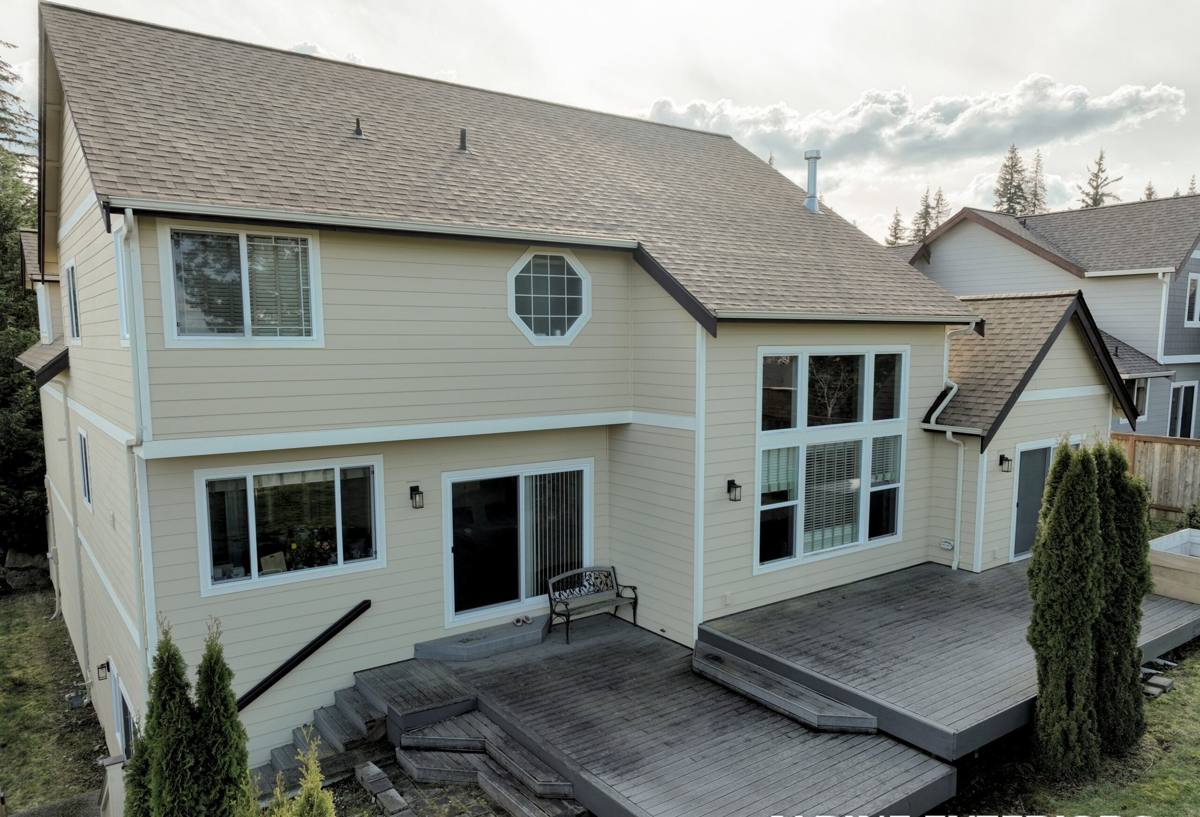
Sumas sits close enough to Lynden that our crews are already in the area on a regular basis, which matters more than it sounds like when you're trying to get a deck repaired correctly instead of just patched. This part of Whatcom County deals with a long wet season, driving rain that gets pushed sideways by wind, and enough humidity and shade in most yards to keep moss and algae growing on horizontal wood surfaces for much of the year. A deck out here isn't fighting the weather for a few weeks in winter — it's fighting it most months of the year, and the repair work has to account for that instead of just addressing whatever is visibly broken.
We treat deck repair as a diagnostic job first and a carpentry job second. Most of the deck failures we see locally start below the surface — moisture trapped where it shouldn't be, fasteners that were never rated for exterior use, or a structural connection that was under-built to begin with. Replacing a few boards without figuring out why they failed just buys you a year or two before the same spot goes soft again.
Why Decks in This Area Fail Faster Than Owners Expect
Moisture That Never Fully Dries Out
Wood needs time to dry between rain events to stay healthy. In Sumas and the surrounding Lynden area, that drying window is short for a big chunk of the year. Boards that stay damp accumulate moisture in the end grain, around fastener holes, and at any point where two pieces of wood sit tight against each other. That's where rot starts — not usually in the open, flat parts of a deck board, but in the joints, laps, and hidden connections.
Moss and Algae Aren't Just Cosmetic
A moss-covered deck surface holds moisture against the wood far longer than bare wood would, and it also makes the surface genuinely slick and dangerous underfoot. Left alone through a full moss season, that constant damp layer accelerates surface decay and can make fasteners work loose as the wood beneath them softens.
Ledger Boards and Structural Connections
The ledger board — where the deck attaches to the house — is the single most safety-critical part of most deck structures, and it's also one of the most common failure points in this region. Flashing that wasn't installed or installed incorrectly lets water track behind the ledger and into the rim joist or wall framing, sometimes for years before it shows on the surface. We check this connection on every repair call, even when the customer's concern is somewhere else on the deck.
Salt Air and Coastal Exposure
Homes closer to the water in this part of Whatcom County deal with an added factor: airborne salt accelerates corrosion on fasteners, joist hangers, and any exposed metal hardware. Corroded hardware loses holding strength well before it looks obviously rusted through, which is one more reason a repair should include a hands-on inspection of the hardware, not just the wood.
Signs Your Deck Needs Repair, Not Just Cleaning
- Boards that feel spongy, springy, or noticeably softer underfoot in one area
- Visible gaps, cracking, or splintering concentrated near fastener heads
- Railings or posts that wobble or flex when pushed
- Discoloration or staining on the underside of the deck near the ledger board
- Persistent moss or dark staining that comes back within weeks of cleaning
- Rust streaks running down from screws, nails, or joist hangers
- Stairs that feel less solid than they used to, especially at the stringers
- A noticeable gap or separation where the deck meets the house
Any one of these on its own might be minor. Several at once, especially combined with a deck that's more than 10-15 years old, usually means it's time for a proper inspection rather than another round of surface cleaning.
What a Correct Deck Repair Actually Involves
Inspection Before Anything Gets Replaced
We start by probing suspect boards, checking the ledger flashing, and looking at the framing from underneath where access allows. This tells us whether we're dealing with isolated board damage or a structural issue that needs to be addressed first. Skipping this step is how homeowners end up paying twice — once for cosmetic repairs, and again a year or two later for the structural problem that caused the damage in the first place.
Removing Damaged Material Completely
Rot doesn't stop at the visibly discolored edge. We cut back to solid, sound wood rather than leaving compromised material in place because it's out of sight. The same goes for corroded fasteners and hardware — anything showing significant rust or weakened holding strength gets replaced, not reused.
Matching Materials Correctly
New boards, framing lumber, and hardware need to match the load rating, fastener spacing, and moisture exposure of what's already there — or improve on it where the original build was under-specified. We use exterior-rated, corrosion-resistant fasteners and hardware throughout, which matters more in this climate than it would somewhere drier.
Addressing the Root Cause
If the failure traces back to missing or damaged ledger flashing, poor drainage under the deck, or inadequate joist spacing, we address that as part of the repair. A repair that only replaces the symptom and ignores the cause isn't a repair we're willing to put our name on.
Repair vs. Replacement: How We Help You Decide
| Factor | Repair Usually Makes Sense | Replacement Usually Makes Sense |
|---|---|---|
| Extent of damage | Isolated boards or one section | Rot or damage spread across most of the deck |
| Structural framing | Joists and ledger are sound | Multiple framing members are compromised |
| Age of the deck | Under 15-20 years, well-built originally | Older deck nearing the end of its service life |
| Code compliance | Railings, stairs, and spacing already meet current standards | Older deck built before current railing/guard requirements |
| Budget priority | Targeted fix now, plan ahead for future work | One project, one warranty, no repeat surprises |
There's no universal right answer here — it depends on what we find once we're actually looking at the structure. We'll walk you through what we see and give you a straight recommendation, including when repair is genuinely the better financial call and when it isn't.
Our Process for Sumas-Area Deck Repairs
- Free on-site inspection — we look at the whole deck, not just the spot you called about, including the ledger connection and any accessible framing.
- Honest scope and estimate — you get a clear explanation of what's damaged, why, and what it will take to fix it correctly, with pricing broken out so you know what you're paying for.
- Removal and repair — damaged material comes out completely, structural issues get addressed, and new material goes in matched to the existing deck where possible.
- Hardware and fastener check — every connection we touch gets appropriate, corrosion-resistant hardware, not whatever happened to be in the original build.
- Final walkthrough — we go over the completed work with you before we consider the job done.
Why a Local Crew Matters for This Kind of Work
Deck repair is one of those jobs where local experience actually changes the outcome. A crew that regularly works decks around Lynden and Sumas has already seen how the ledger flashing on homes from a particular era tends to fail, which framing shortcuts show up most often in this area, and how fast moss reclaims a shaded deck through a wet Whatcom County winter. That's not something you can fully substitute with a generic checklist — it comes from doing the work here, repeatedly, in these conditions.
Being local also means we're not driving in from out of the region for a warranty call or a follow-up question. If something needs a second look after the job is done, that's a short trip for us, not a scheduling headache.
Maintaining Your Deck Between Repairs
Good repair work lasts longer with basic upkeep. A few habits make a real difference in this climate:
- Clear leaves and debris from between boards regularly, especially in fall
- Clean moss and algae off the surface before it builds up a persistent layer
- Keep gutters and downspouts directing water away from the deck structure, not onto it
- Check railings and stair connections for looseness once or twice a year
- Reseal or refinish exposed wood on the schedule the product actually calls for, not just when it looks faded
None of this replaces a proper inspection when something feels off structurally, but it does slow down the moisture and moss cycle that causes most of the damage we see.
Get a Straight Answer About Your Deck
If you're in Sumas or the surrounding Lynden area and dealing with soft boards, a wobbly railing, or a deck that just doesn't feel as solid as it used to, we're glad to come take a look. The estimate is free, there's no pressure attached to it, and you'll get a clear, honest picture of what's actually going on before you decide anything. Use the form below to get started.