 Lynden Siding
 Siding Built for Kendall's Weather, Not Just Its Curb Appeal
Kendall sits in the stretch of Whatcom County east of Lynden, where homes deal with a wetter, greener, more moisture-heavy climate than most of the country ever has to think about. Long stretches of driving rain, a moss season that can run most of the year, and the damp air that moves through this part of the Pacific Northwest all put steady pressure on exterior siding. A siding job here isn't just about picking a color and nailing up boards — it's about choosing a material and installation method that can shrug off years of that moisture cycle without rotting, warping, or feeding mold and algae growth.
We install James Hardie fiber cement siding exclusively, and Kendall is a good example of why. Homes out here need a product that handles water contact without swelling, resists the moss and mildew that thrive in shaded, damp conditions, and holds its finish through repeated wet-dry cycles year after year. This page walks through what that actually looks like on a Kendall home.
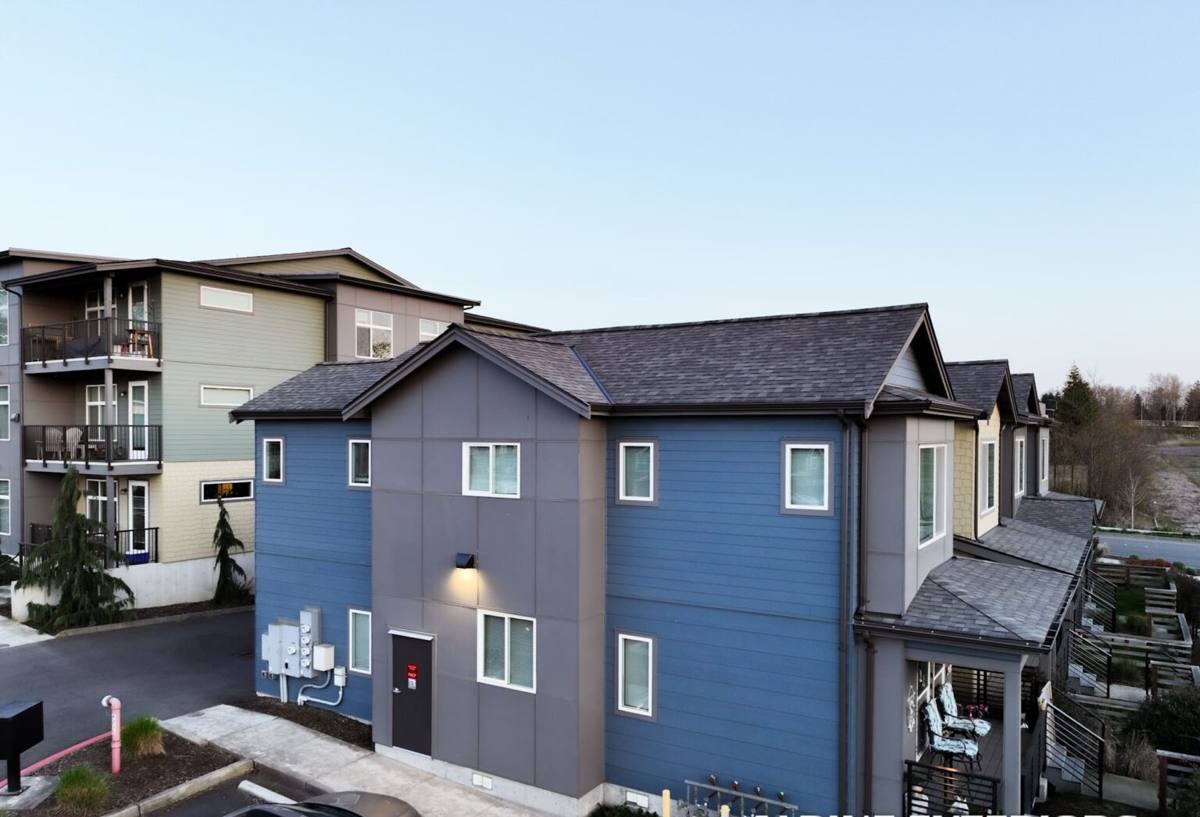
What Kendall's Climate Does to Siding Over Time
It helps to be specific about the forces at work, because they're not all the same problem.
Driving Rain and Wind-Driven Moisture
Storms moving through Whatcom County often bring rain sideways, not straight down. That means water gets pushed up under laps, into seams, and behind trim in ways that vertical rain never would. Siding systems that aren't properly flashed and lapped will eventually let that water find a way in, and once moisture gets behind the cladding, it's the sheathing and framing that pay the price — not just the siding face.
Extended Moss and Algae Season
Shaded lots, tree cover, and near-constant humidity give moss, lichen, and algae a long runway to establish themselves on north-facing walls and anywhere airflow is limited. Porous or absorbent siding materials give that growth something to grip and feed on. Non-porous, factory-finished surfaces are far less hospitable to it.
Salt-Influenced Coastal Air
Whatcom County's proximity to Puget Sound and the broader marine air moving inland means the region deals with a mildly corrosive, moisture-laden atmosphere compared to drier inland climates. That air accelerates the breakdown of untreated wood, weak fasteners, and finishes that aren't engineered to hold up in a maritime climate — a slow, cumulative wear that shows up as chalking, fading, and softened edges long before a homeowner expects to see it.
Why We Only Install James Hardie Here
Given all of the above, we don't install every siding product on the market — we install James Hardie fiber cement, full stop. It's a decision built around what actually survives this climate long-term.
- Non-combustible and dimensionally stable — it doesn't swell, cup, or split the way wood-based and some engineered wood products can when they take on repeated moisture.
- ColorPlus factory finish — baked-on color that resists fading and chalking far better than field-applied paint, which matters when a wall sees months of gray, wet weather a year.
- HZ5 climate-engineered formulation — Hardie's HZ5 product line is engineered for colder, wetter regions like the Pacific Northwest, with moisture and freeze-thaw performance built into the formulation rather than added on.
- Strong transferable warranty — backed by decades of real-world performance in wet coastal and near-coastal climates, not just lab testing.
We won't install vinyl, LP SmartSide, primed spruce, cedar, or other fiber cement alternatives like Cemplank or Allura. Each of those has legitimate uses somewhere, but none of them hold up to Whatcom County's combination of driving rain, extended damp seasons, and marine-influenced air as consistently as Hardie does when installed correctly. That's a professional standard we hold to on every job, not a sales pitch.
What a Correct Siding Installation Actually Involves
The siding itself is only part of the system. Most premature siding failures we see trace back to installation shortcuts, not the material.
Water-Resistive Barrier and Flashing First
Before a single board goes up, the wall needs a properly lapped weather-resistive barrier and correctly integrated flashing at every window, door, and penetration. This is what actually stops wind-driven rain from reaching the sheathing — the siding is the second line of defense, not the only one.
Proper Fastening and Clearances
Hardie board has specific nailing patterns, fastener types, and minimum clearances from grade, roofing, and decks that are engineered into the product's warranty. Skipping them doesn't just risk cosmetic issues — it opens the door for the exact moisture intrusion the material is designed to resist.
Ventilation Behind the Cladding
A rainscreen gap or proper ventilation channel lets any moisture that does get behind the siding dry out instead of sitting against the sheathing. In a climate with as many wet months as this one, that airflow is what keeps a wall assembly healthy over decades, not just years.
Sealed and Caulked Correctly — Not Overdone
Hardie siding is designed to shed water, not be sealed like a submarine. Over-caulking trim and joints can actually trap moisture instead of letting it escape. Knowing where sealant belongs and where it doesn't is part of installing the product to spec.
Our Process for a Kendall Siding Installation
| Step | What Happens |
|---|---|
| 1. Site Walk & Assessment | We inspect existing siding, sheathing condition, trim, and problem areas — sun exposure, shaded moss-prone walls, and drainage patterns specific to your lot. |
| 2. Product & Profile Selection | We walk through Hardie plank, shingle, and panel profiles and ColorPlus finish options suited to the home's style and exposure. |
| 3. Tear-Off & Sheathing Check | Old siding comes off, and we inspect the sheathing underneath for any moisture damage before it's covered up again. |
| 4. Barrier & Flashing Installation | Weather-resistive barrier, flashing, and any rainscreen components go in before cladding — this is the step that determines long-term performance. |
| 5. Hardie Installation to Spec | Boards are installed to manufacturer nailing, clearance, and lapping requirements, not shortcuts. |
| 6. Trim, Caulk & Final Walkthrough | Trim details are finished, sealant is applied only where it belongs, and we walk the job with you before calling it done. |
Cost Factors for a Kendall Siding Job
Every home is different, so we don't quote broad numbers without seeing the house, but these are the factors that most affect the price of a siding installation out here:
| Factor | Why It Matters |
|---|---|
| Home size and wall complexity | More square footage and more corners, gables, and dormers mean more labor and material. |
| Existing siding removal | Tear-off of old wood, vinyl, or damaged siding adds time versus installing over new construction sheathing. |
| Sheathing repair needs | Moisture-damaged sheathing found during tear-off has to be addressed before new siding goes on — this is common on older Whatcom County homes. |
| Siding profile and finish | Lap, shingle, and panel profiles, plus custom ColorPlus colors, carry different material costs. |
| Trim and detail work | Window trim, corner boards, and fascia detailing add labor but make a real difference in the finished look. |
Why Hiring a Crew That Already Works Kendall Matters
Siding installation isn't a generic skill you either have or don't — the right approach shifts based on the climate you're building for. A crew that mostly installs in dry inland climates may not think twice about ventilation gaps or moss-prone shaded walls, because they've never had to. A crew that regularly works Whatcom County homes already knows to check for the wear patterns specific to this area: soft trim on north-facing walls, moss buildup where airflow is limited, and flashing details that get skipped when the rain isn't part of daily thinking.
We also know the practical side of working here — permitting expectations in Whatcom County, scheduling around the wetter months, and sequencing a tear-off so a home isn't sitting exposed longer than it needs to be during a rainy stretch.
Signs a Kendall Home Needs Siding Attention
- Soft, spongy, or visibly warped siding boards, especially near ground level or under windows
- Persistent moss or algae growth that returns quickly after cleaning
- Peeling, bubbling, or chalking paint on wood or engineered wood siding
- Visible gaps, cracking, or separation at seams and corner trim
- Rising energy bills that suggest air and moisture are getting through the wall assembly
- Interior signs like musty smells or discoloration on walls that back up to exterior siding
Catching these early usually means a straightforward siding replacement. Waiting can mean sheathing and framing repair on top of the siding work itself, which is a bigger and more expensive job.
Get a Straightforward Estimate
If your Kendall home's siding is showing wear, or you're planning ahead before it becomes a problem, we're glad to take a look and walk you through what we'd recommend and why. The estimate is free, there's no pressure, and you'll get a straight answer about what your home actually needs.