 Lynden Siding
 Windows Built for the Laurel Area's Weather
Homes in the Laurel area near Lynden sit in a stretch of Whatcom County that takes a steady beating from the weather most of the year. Salt-tinged air drifts in off the Sound, driving rain comes sideways during fall and winter storms, and a long moss season keeps everything damp for months at a time. Windows are one of the first places that pressure shows up — as failed seals, soft trim, sticking sashes, or a slow creep of drafts that no amount of caulk seems to fix for good.
Window installation done right in this area isn't just about picking a good window. It's about how that window is flashed, sealed, and tied into the wall assembly so water has nowhere to go but back outside. We've installed and replaced windows on homes throughout the Lynden area long enough to know which details actually matter here, and which ones are just extra steps that don't change the outcome.
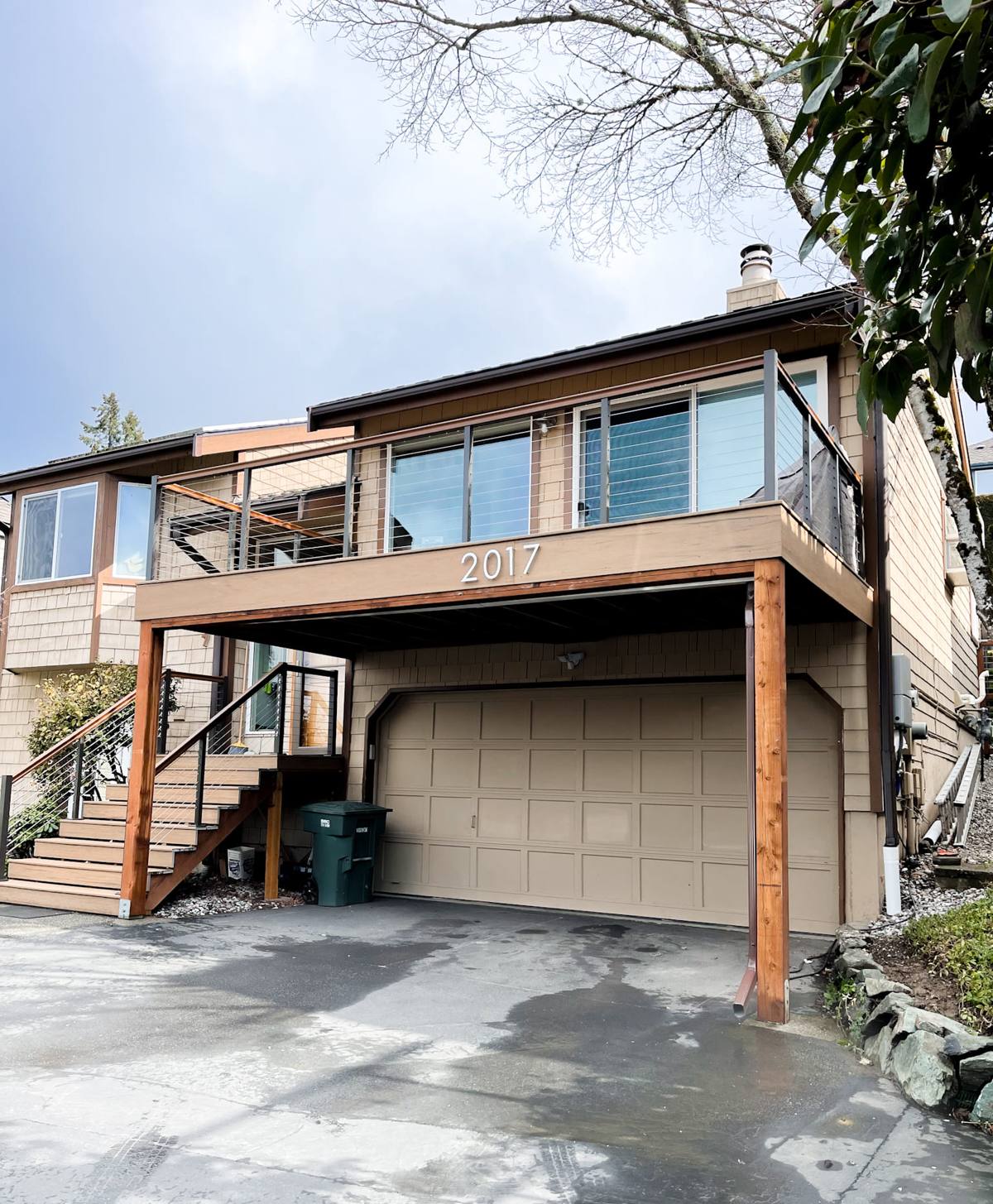
What Local Homes Are Up Against
Moisture Is the Real Enemy
Whatcom County doesn't get brutal cold most winters, but it makes up for that with sheer duration of wet weather. Rain that falls sideways during a windstorm finds every gap in old flashing. Moss holds moisture against siding and trim longer than most homeowners realize, which means any weak point around a window opening stays wet instead of drying out between storms. Over years, that's what rots sills, delaminates old wood trim, and lets water track down into wall framing.
Salt Air Shortens the Life of Hardware
Being close enough to coastal air adds another layer of wear. Aluminum and lower-grade hardware corrode faster here than they would further inland. Locks stick, cranks seize up, and finishes chalk out sooner than the manufacturer's brochure suggests. It's a slow process, but it's steady, and it's one more reason we pay attention to hardware quality, not just glass and frame.
Temperature Swings and Condensation
Whatcom County winters bring cold, damp air right up against warm interior air, and older or poorly sealed windows show it as condensation, fogged glass, or a cold draft you can feel standing nearby. A properly installed, properly sealed window cuts that down significantly — not by magic, but because the gap between inside and outside air is actually closed instead of just covered up.
What a Correct Window Installation Actually Involves
A lot of window problems homeowners deal with aren't caused by a bad window — they're caused by a rushed or incomplete installation. The window itself is often the easy part. Getting the opening right is where the job is won or lost.
- Removing the old window without tearing up more siding or trim than necessary
- Inspecting the sill, jack studs, and header for rot or water damage before anything new goes in
- Repairing or replacing any damaged framing — never installing a new window over a compromised opening
- Installing house wrap and flashing tape in the correct shingle-lap order so water sheds downward and outward
- Setting the window plumb, level, and square, with proper shimming so it operates smoothly for years
- Sealing and insulating the gap between the window frame and rough opening without overpacking it
- Finishing exterior trim and caulking with materials rated for continuous wet exposure
- Testing operation — opening, closing, locking — before calling the job done
Skip any one of these steps and the window can look fine for a season or two before problems start showing up. That's exactly why replacement windows sometimes fail faster than the originals they replaced — not because the product was bad, but because the opening wasn't properly prepped or flashed.
Choosing the Right Window for This Climate
There's no single "best" window for every home, but there are trade-offs worth understanding before you decide. We walk Laurel-area homeowners through these honestly, without pushing a single brand as the answer to everything.
| Frame Material | Strengths | Trade-Offs in This Climate |
|---|---|---|
| Vinyl | Low maintenance, good insulation, budget-friendly | Frame color and finish can fade over many years of sun and salt air exposure |
| Fiberglass | Very stable in temperature swings, strong, holds paint well | Higher upfront cost than vinyl |
| Wood (clad or unclad) | Classic look, good insulation | Exposed wood needs consistent upkeep in a wet climate; cladding helps but adds cost |
| Aluminum | Slim sightlines, durable frame | Poor insulator and more prone to corrosion near salt air unless well-finished |
Most homes in this area do well with vinyl or fiberglass for a straightforward reason: both hold up to sustained moisture and temperature cycling with minimal upkeep. Wood-frame windows can still be the right call for homes where the look matters, but we're upfront that they come with a higher maintenance commitment in a climate that stays damp this much of the year.
Glass Packages and Weatherstripping That Earn Their Keep
The glass package matters as much as the frame. Double-pane, low-E glass with argon fill is the practical standard for this region — it cuts heat loss in winter and reduces solar gain in summer without the added cost of triple-pane, which is rarely necessary given our moderate temperature range. What we pay closer attention to is the weatherstripping and seal quality, since that's what determines how well the window resists the driving rain and wind this area sees several months a year. A window with excellent glass and mediocre weatherstripping will still leak air and, eventually, water.
Our Installation Process for Laurel-Area Homes
- On-site assessment — We look at each window opening individually, not just the house as a whole. Sun exposure, wind direction, and existing moisture damage vary window to window.
- Honest scope of work — If we find rot or framing damage during the assessment, we tell you before work starts, not after we've already opened up the wall.
- Careful removal — Old windows come out with minimal disruption to surrounding siding and trim.
- Opening prep and repair — Any compromised framing gets addressed before a new window ever goes in.
- Proper flashing and sealing — Installed in the correct order so water is directed out, not trapped in.
- Precise setting — Shimmed, leveled, and secured so the window operates correctly for the long haul.
- Final trim, seal, and walkthrough — We test every window before we consider the job finished.
Why a Crew That Already Works This Area Matters
A window installer who mostly works drier inland climates can do fine work and still miss details that matter here. Flashing sequences, sealant selection, and how much drying time to allow between steps all shift when you're working in a region with this much sustained moisture and moss growth. A crew that regularly works Lynden and the surrounding Whatcom County area already knows how local homes are built, what their common weak points are, and how to sequence a job around the weather instead of fighting it.
That familiarity also shows up in smaller ways — knowing which older Lynden-area homes tend to have out-of-square openings, recognizing early-stage rot before it becomes a bigger repair, and setting realistic expectations about timelines when a fall storm rolls through mid-project.
Signs It's Time to Replace, Not Repair
- Visible fogging or moisture between double-pane glass
- Frames that are soft, discolored, or show rot at the corners or sill
- Windows that won't stay open, lock securely, or seal fully when closed
- Noticeable drafts even with the window fully latched
- Paint or finish failure that keeps recurring despite touch-ups
- Rising energy bills with no other clear cause
Not every window with a small issue needs full replacement — sometimes a resealed frame or new weatherstripping solves the problem. Part of our job is telling you honestly which situation you're in rather than defaulting to a full replacement recommendation.
Cost Factors Worth Understanding
| Factor | How It Affects Cost |
|---|---|
| Number of windows | Per-window cost typically drops slightly with larger jobs due to shared setup and labor efficiency |
| Frame repair needed | Rotted framing or sheathing adds labor and material cost beyond the window itself |
| Window size and type | Larger, custom, or specialty shapes cost more than standard double-hung or slider sizes |
| Frame material | Vinyl is generally most affordable; fiberglass and wood-clad options cost more upfront |
| Access and trim work | Upper-story windows or extensive trim replacement add time and cost |
We give straightforward, itemized estimates so you can see exactly where the cost is going — not a single lump number that leaves you guessing whether you're paying for the window, the labor, or unexpected repairs.
Let's Talk About Your Windows
If you're dealing with drafty, foggy, or failing windows on a Laurel-area home, we're happy to come take a look and give you a straight answer about what's going on and what it would take to fix it right. Reach out for a free, no-pressure estimate using the form below.