 Lynden Siding
 New Roof Installation in Kendall, Washington
Kendall sits north of Lynden in Whatcom County, close enough to the Nooksack valley and the foothills that homes here deal with a specific mix of weather: long wet winters, heavy moss pressure, and enough wind off the surrounding farmland and treelines to test every seam and fastener on a roof. A new roof installation in this area isn't just about picking a shingle color. It's about building a roof system that sheds water fast, resists moss colonization, and holds up to decades of Pacific Northwest weather without babysitting.
We install new roofs for homeowners throughout the Kendall area as part of our regular service territory out of Lynden. This page covers what a correct new roof installation looks like here, what tends to go wrong with rushed or out-of-town jobs, and how we approach the work from first estimate to final inspection.
What Kendall's Climate Demands From a Roof
Whatcom County doesn't get the wild temperature swings of drier climates, but it makes up for that with sheer volume of moisture. Kendall's mix of rural tree cover, river valley humidity, and long shoulder seasons of drizzle creates conditions that are hard on roofing in a few specific ways.
Moss and Organic Growth
Shaded roof sections, especially north-facing slopes and areas under conifers, stay damp for days after a rain. That moisture retention is exactly what moss and algae need to take hold. Once moss establishes itself under shingle tabs, it lifts them, holds water against the roof deck, and accelerates granule loss. A roof installed without moss-resistant materials or design considerations in a moss-heavy area like Kendall will show growth years earlier than the same roof in a drier, more open location.
Driving Rain and Wind-Driven Moisture
Storms coming off the water and across open farmland can push rain sideways, not just straight down. That matters at every horizontal lap, valley, and penetration on the roof. Underlayment and flashing details that would be adequate in a calmer climate can fail here if they're not built for wind-driven water intrusion.
Salt Air Influence
While Kendall is inland compared to coastal Whatcom towns, the broader region still carries salt-laden air off the Strait of Georgia and Bellingham Bay on prevailing winds. Over years, that air accelerates corrosion on unprotected metal fasteners, flashing, and vent components. Material selection matters more here than in a landlocked climate.
Long Moss Season, Short Dry Window
Western Washington's dry installation window is shorter than most of the country's. That compresses the roofing season and means a crew needs to move efficiently and manage weather delays without cutting corners on drying time for underlayment or adhesive-activated materials.
What a Correctly Installed Roof Actually Involves
A lot of the difference between a roof that lasts and one that fails early happens in steps nobody sees once the shingles are down. Here's what we consider non-negotiable on every new roof installation in the Kendall area.
Tear-Off and Deck Inspection
We remove the old roofing down to the deck rather than layering over it. That lets us actually see the plywood or plank sheathing underneath, check for soft spots, rot, or delamination from years of moisture exposure, and replace any damaged decking before new material goes down. Roofing over a compromised deck just hides a problem that gets worse.
Ice and Water Barrier at Vulnerable Points
Eaves, valleys, and roof penetrations get self-adhering waterproof membrane, not just standard felt. These are the spots where wind-driven rain and ice damming (on the rare hard freeze) find their way in. This step is cheap insurance against the most common leak points on a roof.
Synthetic Underlayment Across the Field
Over the rest of the roof deck, a synthetic underlayment provides a secondary water barrier that holds up better than old-style felt paper if a storm arrives before shingles are on, and it stays more stable underfoot during installation.
Flashing at Every Transition
Chimneys, sidewalls, skylights, and roof-to-wall transitions all need properly formed and sealed flashing, not just caulk. Flashing is metal work, and it's one of the areas where a rushed crew cuts the most corners because it's slower and less visible than laying shingles.
Proper Nailing Pattern and Fastener Choice
Shingles installed with the wrong nailing pattern, too few fasteners, or fasteners placed too high on the shingle will underperform in wind, regardless of the material's rated wind resistance. Corrosion-resistant fasteners matter more here given the regional salt air influence.
Ventilation Balance
Intake at the eaves and exhaust at the ridge need to work together. Unbalanced or blocked ventilation traps moisture in the attic, which shortens the life of the roof deck from underneath and can encourage condensation issues that have nothing to do with the shingles themselves.
Roofing Material Choices for Kendall Homes
Most homes in this area use asphalt composition shingles, and for good reason: they perform well, install cleanly on the region's typical roof pitches, and come in algae-resistant formulations that matter given local moss and mildew pressure. We'll walk through the tradeoffs honestly.
| Material | Typical Lifespan | Moss/Moisture Behavior | Best Fit |
|---|---|---|---|
| Standard Asphalt Shingle | 20-25 years | Moderate moss risk without algae-resistant granules | Budget-conscious re-roofs |
| Algae-Resistant Architectural Shingle | 25-30+ years | Copper/zinc granules resist algae and moss staining | Most Kendall homes, especially shaded lots |
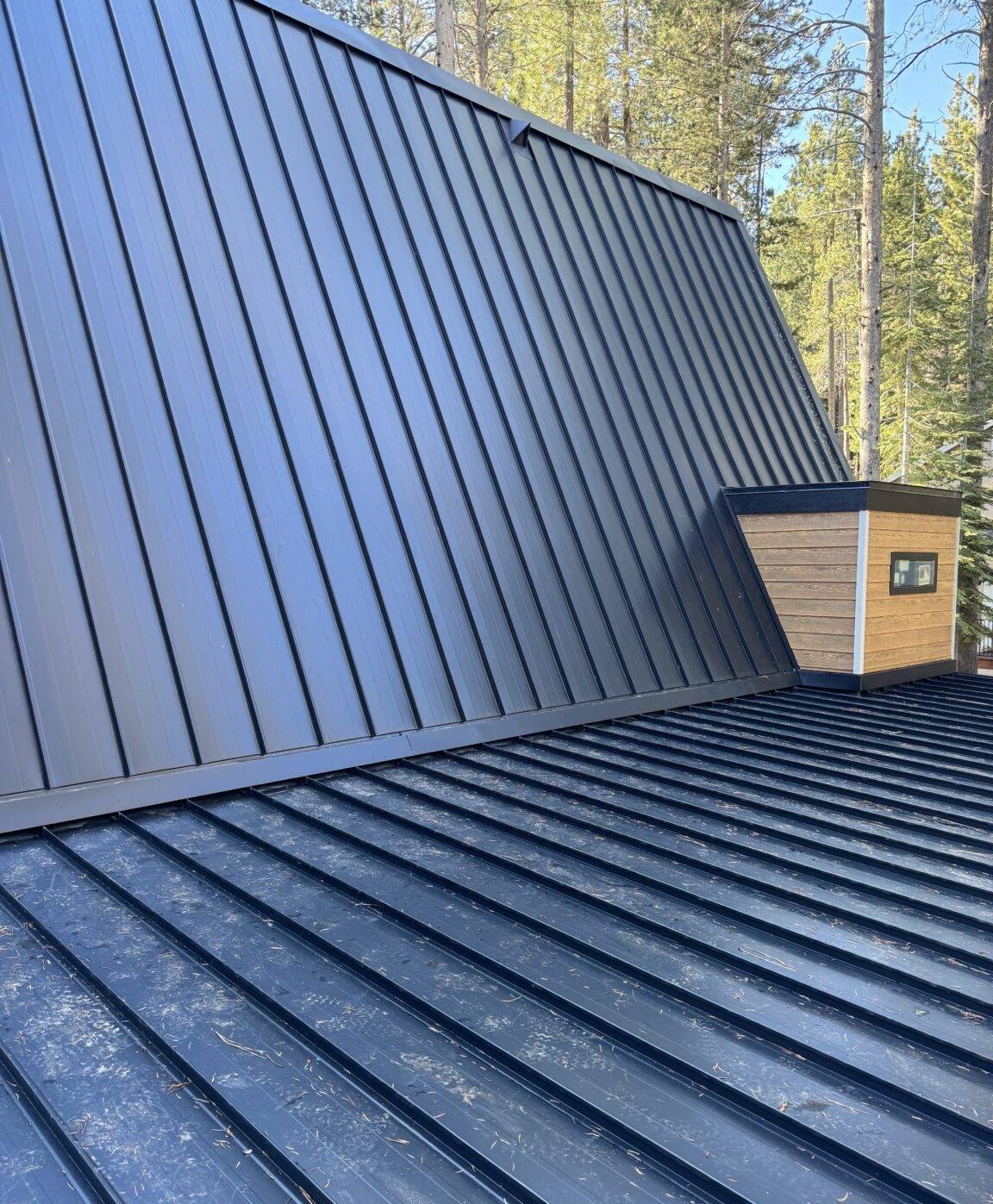
| Metal Roofing | 40-50+ years | Sheds moisture fast, minimal moss adhesion surface | Steep pitches, long-term owners, modern aesthetics |
| Wood Shake | 20-30 years with upkeep | High moisture retention, needs regular treatment | Traditional look; higher maintenance commitment |
We steer most homeowners in this area toward algae-resistant architectural shingles as the practical middle ground: strong moss resistance without the higher upfront cost of metal, and a warranty structure and appearance most buyers and appraisers recognize. That's our professional recommendation for the climate, not a knock on the other options — each has a legitimate place depending on budget, roof pitch, and how long you plan to own the home.
Our New Roof Installation Process
- On-site inspection and estimate. We look at the existing roof, deck condition where accessible, ventilation setup, and any problem areas like valleys or chimney flashing before quoting anything.
- Material selection walkthrough. We go over shingle or metal options in the context of your specific roof — pitch, shade exposure, and how much moss pressure that particular lot sees.
- Scheduling around weather. Given the region's compressed dry season, we plan installation windows carefully and won't start a tear-off with rain moving in on an exposed deck.
- Tear-off and deck repair. Full removal of old roofing, deck inspection, and replacement of any compromised sheathing.
- Underlayment and flashing installation. Waterproof membrane at vulnerable points, synthetic underlayment across the field, new flashing at all transitions.
- Shingle or material installation. Installed to manufacturer specification for nailing pattern, exposure, and fastener type.
- Ventilation check and adjustment. Confirming intake and exhaust are balanced for the attic space.
- Final walkthrough. We review the completed roof with you, including cleanup of the property and disposal of old material.
What to Have Ready Before Your Estimate
- Rough age of the current roof, if known
- Any known leak history or interior water stains
- Whether the attic has had ventilation, insulation, or condensation issues
- General idea of roof access (steep pitch, gate access, overhead power lines near the roofline)
- Any HOA or covenant requirements on roofing material or color, if applicable in your part of Kendall
Signs a Kendall Roof Needs Replacement Rather Than Repair
Not every roofing problem calls for a full tear-off. But certain signs point toward replacement being the more honest recommendation rather than another round of patching.
- Granule loss heavy enough that shingles look bald or patchy in multiple areas, not just one spot
- Moss growth that keeps returning within a season or two of cleaning
- Curling, cracking, or cupping shingles across a significant portion of the roof
- Soft spots in the decking felt through the roof surface
- Daylight visible through the roof deck from inside the attic
- A roof already past 20-25 years old with multiple minor repairs behind it
If a roof is showing one or two of these signs in an isolated area, a repair may still make sense. When several show up at once, repeated patching usually ends up costing more over a few years than one properly done replacement.
Why a Local Lynden Crew Matters for Kendall Roofs
Roofing crews that don't regularly work in Whatcom County can get caught off guard by how much moss pressure and moisture management matter here compared to drier regions. A crew that already works Kendall and greater Lynden knows the local permitting process, understands which roof designs on which lots tend to hold moisture, and has already seen how different materials perform after a few Pacific Northwest winters rather than guessing from a spec sheet.
Being local also means we're not disappearing after the final invoice. If a question comes up during the first heavy rain season after installation, or if a warranty item needs attention, we're still in the area and easy to reach — not a crew that worked through on a multi-county circuit and moved on.
Maintenance After Installation
A new roof still needs basic attention to hit its full lifespan in this climate. Keep gutters clear so water isn't backing up under the eaves, especially during fall leaf drop. Trim back tree limbs that overhang the roof to cut down on shade and debris that feed moss growth. A soft wash or approved moss treatment every couple of years on shaded slopes will keep organic growth from getting a foothold, and it's far cheaper than dealing with lifted shingles later. If you ever notice a granule buildup in the gutters that looks heavier than normal, or a section of roof that seems to be drying slower than the rest after a storm, it's worth a quick look before it becomes a bigger issue.
Get a Free, No-Pressure Estimate
If you're weighing a roof repair against replacement, or you already know your Kendall home needs a new roof and want a straightforward assessment from a crew that works this area regularly, we're glad to take a look. Fill out the form below for a free estimate — no pressure, no obligation, just an honest read on where your roof stands.