 Lynden Siding
 Windows Built for Deming's Weather, Not Just the Showroom
Deming sits in the foothills east of Lynden, where Whatcom County's marine air, near-constant winter rain, and long stretches of overcast, mossy weather put steady pressure on a home's exterior. Windows here don't just need to look good and keep out drafts — they need to hold a tight seal through freeze-thaw cycles, resist the slow creep of moisture behind trim, and keep performing after years of driving rain hitting the same wall assemblies over and over. A window that's rated well on paper but installed loosely, or flashed incorrectly, will fail here faster than it would in a drier climate.
This page is about one thing specifically: energy-efficient window replacement and installation for homes in and around Deming. Not a general overview of every siding or roofing service we offer — just what matters when the job is windows, in this area, given this climate.
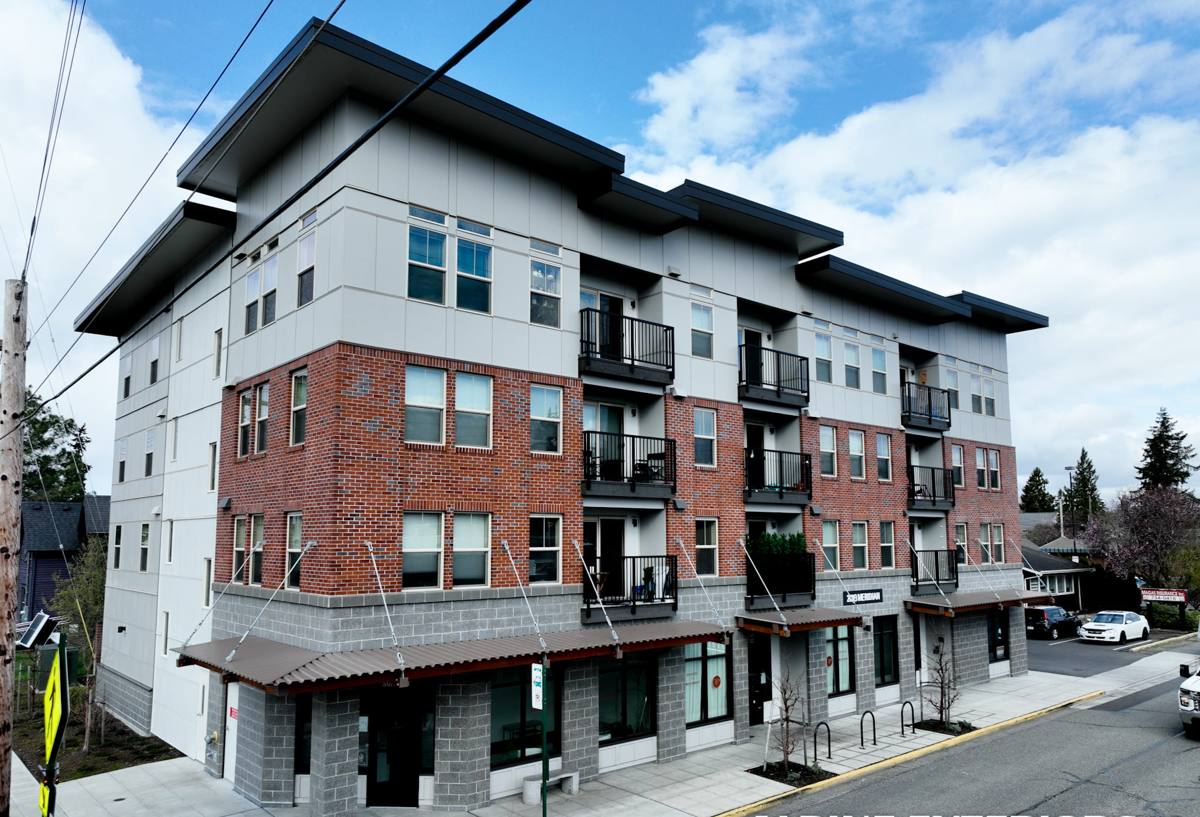
What Salt Air, Driving Rain, and Moss Season Actually Do to Windows
Salt-Tinged Marine Air
Even away from the immediate waterfront, Whatcom County's marine air carries fine salt and moisture that settles on exterior surfaces. Over years, this accelerates corrosion on window hardware — hinges, cranks, balance mechanisms, and screen frames — especially on cheaper aluminum or unprotected steel components. It also breaks down some sealants faster than they'd wear in a drier inland climate.
Driving Rain
Wind-driven rain doesn't just fall on a window — it gets pushed sideways and upward into any gap in the flashing, trim, or sealant joint. A window that's merely caulked around the outside, without proper flashing tied into the house wrap or building paper, will eventually let water track behind the frame. That's when homeowners start seeing soft trim, bubbling paint, or a musty smell near the window that's hard to explain until the wall is opened up.
Moss and Prolonged Dampness
Long stretches of damp, low-light weather feed moss and algae growth on sills, exterior trim, and anywhere water sits instead of draining. Beyond the cosmetic issue, moss and organic buildup hold moisture against wood trim and painted surfaces, extending the time those materials stay wet after every rain event — which shortens the life of trim, caulking, and paint finishes around the window opening.
None of this means Deming homes need exotic products. It means the installation details — flashing sequence, sealant choice, drainage path, hardware quality — matter more here than they would in a milder, drier region.
What a Correct Energy-Efficient Window Installation Actually Involves
"Energy-efficient" gets used loosely in this industry. A window can carry a good energy rating and still perform poorly if it's installed wrong. A correct job includes:
- Proper opening prep — removing the old unit down to the rough opening, checking the sill and framing for hidden rot or moisture damage before anything new goes in
- Correct flashing integration — flashing tape and pan flashing tied into the existing water-resistive barrier so water sheds outward and downward, not into the wall cavity
- Sill pan with a drainage path — so any water that does get past the exterior seal has somewhere to go besides straight into the framing
- Low-expansion foam or backer rod plus sealant around the frame, not just a bead of caulk on the exterior face
- Correct glazing package for the exposure — a window on a wall that takes direct driving rain and wind may warrant a different glass or frame spec than a sheltered side of the house
- Level, plumb, square setting — even a high-end window will leak air and stress its seals over time if it's racked or shimmed unevenly
Skipping any one of these doesn't show up on day one. It shows up two, five, or ten years later as a soft spot in the trim or a window that suddenly feels drafty.
Comparing Window Frame Options for This Climate
There's no single "best" window material — each comes with trade-offs worth understanding honestly before you decide.
| Frame Material | How It Handles This Climate | Maintenance | General Cost Position |
|---|---|---|---|
| Vinyl | Good moisture resistance, won't rot or corrode; performs consistently in damp, salty air | Low — occasional cleaning | Most affordable |
| Fiberglass | Very stable in temperature swings and moisture; holds paint well if a custom color is wanted | Low | Mid to upper range |
| Wood or Wood-Clad | Strong appearance, but the wood core is more sensitive to prolonged moisture exposure if seals fail | Higher — finish upkeep, moisture monitoring | Upper range |
| Aluminum | Durable but conducts heat and cold readily; hardware can corrode faster in marine air without protective finishes | Moderate | Varies widely |
For most Deming homes, we lean toward vinyl or fiberglass for the balance of moisture tolerance and low upkeep — but the right call depends on the home's style, budget, and how exposed a given wall is to weather. We'll walk through the honest trade-offs for your specific house rather than push one product line across the board.
Glazing and Efficiency: What Actually Moves the Needle
Efficiency in a window comes down to a few real factors, not marketing language:
- U-factor — how much heat passes through the window; lower is better for our heating-dominated climate
- Double or triple glazing with an inert gas fill (typically argon) between panes
- Low-E coatings tuned for the right balance of heat retention versus solar gain for your home's orientation
- Frame construction — multi-chambered vinyl or well-insulated fiberglass frames reduce conductive heat loss at the frame itself, not just the glass
We'll help you weigh these against your specific home rather than defaulting to whatever the highest-margin option is — a south-facing wall and a shaded north wall don't need identical glass packages.
Our Process, Start to Finish
1. On-Site Assessment
We look at each window opening individually — framing condition, existing flashing (if any is visible), exposure to wind and rain direction, and how the current windows are performing before we recommend anything.
2. Straightforward Proposal
You get a clear rundown of frame and glass options, what's actually needed versus what's optional, and a written scope so there are no surprises about what's included.
3. Careful Removal and Opening Prep
Old units come out cleanly, and we check the rough opening for hidden moisture or rot before installing anything new — this is the step that gets skipped by crews trying to move fast, and it's the one that causes callbacks later.
4. Installation to Spec
Flashing, sill pan, sealant, and fastening done in the correct order, with the window set level, plumb, and square.
5. Final Check and Walkthrough
We test operation, check the seal from inside and out, and walk the job with you before we consider it done.
Signs Your Current Windows Are Already Struggling
If you're seeing any of the following, it's worth having them looked at rather than waiting:
- Visible condensation between panes (a sign the seal has failed)
- Drafts you can feel near the frame even when the window is fully latched
- Soft, discolored, or moss-covered trim around the window exterior
- Difficulty opening, closing, or latching that didn't used to be there
- A noticeable rise in heating costs without another clear cause
- Peeling paint or bubbling on the interior wall near the window
Any one of these on its own might be minor. Several together usually mean the window or its installation has reached the end of its useful life.
What Cost Depends On
Costs vary by opening size, frame material, glass package, and how much prep work an opening needs once the old unit is out. Rather than quote a number that won't reflect your home, we'll give you a real, itemized estimate after seeing the actual openings. In general, expect vinyl to sit at the lower end, fiberglass and higher-performance glass packages in the middle to upper range, and any hidden repair work (rot, damaged sheathing) as a separate, clearly explained line item if we find it.
Why a Crew That Already Works Around Deming Matters
Window installation quality depends heavily on judgment calls made on-site — how to flash an unusual opening, when an old frame needs more than a simple swap, how to handle a wall that's clearly taken water damage over the years. A crew that regularly works homes in and around Lynden and the surrounding Whatcom County area has already seen how local construction, weather exposure, and older building practices interact. That experience shows up in fewer surprises and fewer callbacks, not in anything you'd notice on a brochure.
If you're weighing new windows for a home in Deming, we're glad to take a look and give you a straight answer about what your home actually needs — no pressure, and no upsell on things that don't apply to your situation. Reach out for a free estimate using the form below.