 Lynden Siding
 Board & Batten Siding, Built for Custer's Coastline
Custer sits close enough to the water that homes here take a different kind of weather beating than siding a few miles inland. Salt-laden air off the bay works into every seam and fastener head it can find, driving rain comes in sideways during winter storms, and the long stretch of gray, damp months each year gives moss and algae a head start on any surface that stays wet too long. Board and batten siding, when it is built and installed correctly for this climate, holds up well against all three. Done wrong, it becomes a maintenance headache within a few years — trapped moisture behind battens, streaking, and boards that cup or split at the edges.
This page is about that one job, done right, for Custer homes specifically — not a general overview of siding options.
What Board & Batten Siding Actually Is
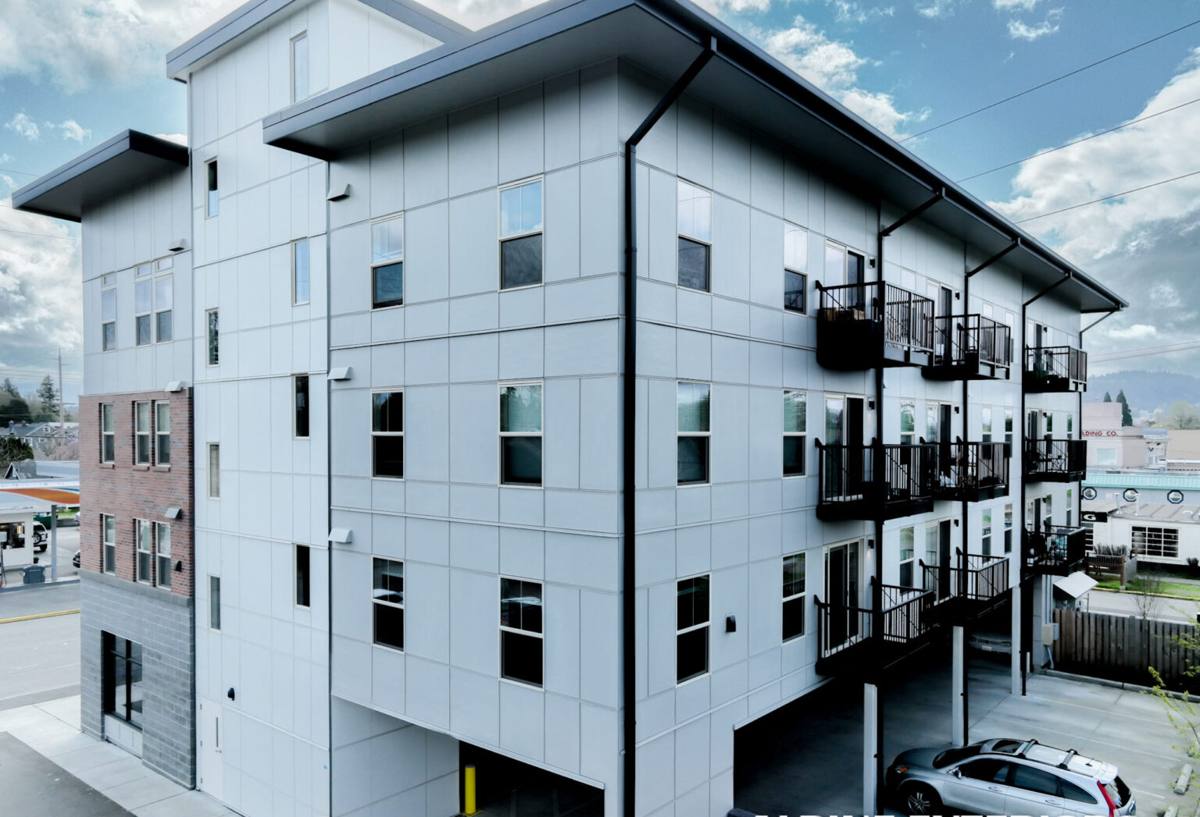
Board and batten is a vertical siding style: wide flat panels or boards installed vertically, with narrower strips (the "battens") covering the seams between them. It reads as a clean, linear, more contemporary or farmhouse-style look compared to traditional horizontal lap siding, and it's a popular choice on accent walls, gables, and full exteriors alike around Lynden and the surrounding Whatcom County towns.
The style is simple to describe, but the way it manages water is more particular than lap siding. Every vertical seam is a potential path for wind-driven rain to get behind the cladding, and every batten is a place where moisture can sit against the substrate if the installation doesn't account for drainage and airflow. In a climate like Custer's, that detail is the difference between siding that lasts decades and siding that fails from the inside out.
Why We Only Install This in James Hardie Fiber Cement
We do not install board and batten in LP SmartSide, vinyl, primed spruce, cedar, or other fiber cement brands. That's a deliberate standard, not a sales pitch, and it matters more on a coastal-exposure job like a Custer board and batten install than almost anywhere else in our service area.
Wood-based boards — cedar or primed spruce — swell and shrink with the constant moisture cycling this area sees, which stresses paint film and joints over time and gives moss and mildew organic material to grow on. Engineered wood products like LP SmartSide use a different substrate, but they're still wood-based at the core, meaning cut edges and fastener penetrations need to stay well-sealed to avoid moisture wicking. Vinyl board and batten is low-maintenance in terms of paint, but it expands and contracts significantly with temperature swings and can warp or rattle loose in sustained wind, and it doesn't hold up structurally the same way a rigid cement board does in a storm.
James Hardie fiber cement is non-combustible, dimensionally stable across our wet winters and warmer summers, and doesn't feed mold or moss the way organic materials can. We use their climate-engineered HZ product lines, which are formulated for high-moisture regions like ours rather than a generic national spec. The factory-applied ColorPlus finish also matters specifically for board and batten: because the style has more vertical seams and cut edges than lap siding, having a factory-cured finish that resists fading and moisture intrusion at those edges — instead of relying entirely on field-applied paint — reduces one of the biggest long-term failure points.
What a Correct Installation Actually Involves
Board and batten looks simple from the street, but the installation sequence underneath determines whether it performs for 30+ years or needs rework in five.
Water-Resistive Barrier and Drainage Plane
Every job starts with a properly lapped weather-resistive barrier and, on most Custer homes, a drainage gap behind the siding. That gap lets any moisture that does get past the cladding drain and dry out instead of sitting against the sheathing — critical in a climate with this much sustained rainfall and humidity.
Fastening and Layout
Boards and battens have to be fastened per the manufacturer's spec for spacing and penetration depth. Over- or under-driven fasteners are one of the most common causes of premature failure we see on redo jobs — either they crack the board or they leave a loose point where water can work its way in.
Flashing and Sealant Details
Every window, door, and roofline intersection needs correct flashing before a single board goes up, and every seam that requires sealant needs the right product applied correctly — not painted over as a substitute for proper flashing. This is where driving rain finds its way into a wall system if it's skipped or rushed.
Finish and Touch-Up
With ColorPlus-finished Hardie boards, factory touch-up products are used at cut edges and fastener heads to maintain the factory-level protection all the way through the installation, rather than leaving raw cut edges exposed to the weather.
Mistakes We See on Coastal-Area Board and Batten Jobs
Because Custer's exposure is more aggressive than a sheltered inland lot, shortcuts show up faster here. The most common issues we're called out to fix on other installations include:
- No drainage gap behind the siding, trapping moisture against the sheathing
- Battens caulked shut on all sides instead of allowing the assembly to breathe and drain as designed
- Cut edges left unsealed, letting moisture wick into the board core
- Fasteners driven at the wrong spacing or angle, cracking boards or leaving them loose
- Flashing skipped or undersized at window and door heads
Every one of these is invisible from the curb for the first year or two, and every one of them shortens the life of the siding significantly in a climate that gives moisture this many chances to find a weak point.
Our Process for Custer Projects
We walk the exterior with the homeowner first, looking specifically at exposure — which walls take the worst of the wind-driven rain, where moss has already established itself, and where the existing sheathing or trim shows signs of past moisture issues. From there we scope the tear-off, confirm the drainage and flashing details for the specific elevations, and install the Hardie board and batten system to spec, including all trim, corners, and factory-finish touch-up. We clean up thoroughly and walk the finished job with the homeowner before we consider it done.
Cost Factors on a Custer Board & Batten Job
Every home is different, so we don't quote broad numbers without seeing the walls, but these are the variables that actually move the price on this specific style and location:
| Factor | Why It Matters Here |
|---|---|
| Wall exposure to wind-driven rain | Windward elevations often need extra flashing detail and drainage attention |
| Existing sheathing condition | Coastal moisture cycling can mean hidden repairs before new siding goes on |
| Amount of trim and corner detail | Board and batten typically uses more trim pieces than lap siding |
| Tear-off vs. re-side over existing material | Full tear-off allows proper drainage-plane and barrier work but adds labor |
| Color and finish selection | Custom ColorPlus colors and accent combinations can affect material cost |
Maintaining Board and Batten Siding in Custer's Climate
Fiber cement is low-maintenance compared to wood, but "low" isn't "none," especially this close to the water. A short annual routine keeps siding performing the way it's designed to:
- Rinse siding once or twice a year to clear salt residue, especially on ocean-facing walls
- Check for moss or algae buildup in shaded, damp corners and address it early with a gentle wash
- Inspect caulking at trim and window edges annually and reseal if it's cracking or pulling away
- Keep gutters and downspouts clear so runoff isn't sheeting down wall sections
- Look for any nail pops or loose battens after major windstorms
Why Hire a Crew That Already Works in Custer
Whatcom County's coastal towns don't all weather the same way — a home a few miles inland faces different exposure than one closer to the water in Custer. A crew that already works this stretch of the county knows which elevations typically need extra flashing attention, how aggressive the moss season really gets here, and how to sequence a job around the wetter months so materials aren't installed under bad conditions. That local pattern recognition is worth more than a generic install guide, and it's part of why we standardize on one product system we trust rather than juggling multiple brands and specs across jobs.
If you're weighing board and batten siding for a home in Custer, we're glad to come take a look, walk the exposure with you, and put together a free, no-pressure estimate — no obligation either way.