 Lynden Siding
 Why Birch Bay Siding Wears Differently Than Inland Homes
Birch Bay sits close enough to the water that homes here deal with a different combination of stresses than a house a few miles inland in Lynden proper. Salt-laden air moves off the water and settles on exterior surfaces, driving rain comes in sideways during winter storms, and the long stretch of damp, low-sun months from fall through spring keeps north and shaded walls wet for days at a time. None of these things are dramatic on their own, but stacked together over years, they find every weak point in a siding system faster than a drier inland exposure would.
That combination is exactly why siding repair calls in Birch Bay tend to look different from repair calls elsewhere in Whatcom County. It's rarely one catastrophic failure. It's usually a slow accumulation of small moisture entry points, finish breakdown from salt exposure, and moss holding water against the wall longer than the material was ever meant to sit wet.
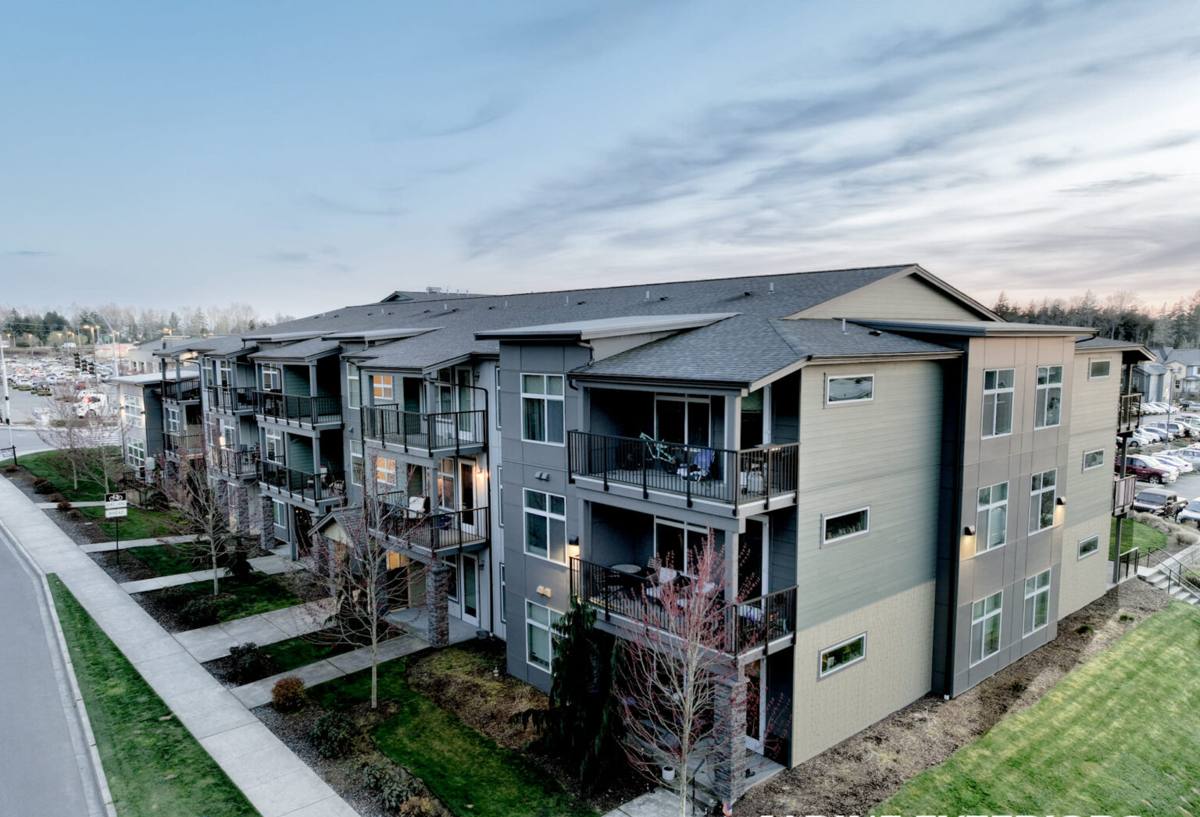
What Salt Air, Driving Rain, and Moss Actually Do to Siding
Salt air
Airborne salt is corrosive to fasteners, flashing, and any exposed metal trim, and it can accelerate the breakdown of factory finishes on lower-grade siding products. On a home close to the water, hardware that would last decades inland can start showing rust streaks or pitting years earlier. When we're repairing siding in Birch Bay, we're not just looking at the panels — we're checking every nail head, J-channel, and flashing detail for early corrosion.
Driving rain
Wind-driven rain doesn't behave like a gentle vertical shower. It gets pushed sideways and upward, which means it finds gaps around windows, at butt joints, and behind poorly lapped siding that would stay dry in calmer weather. Once water gets behind the cladding, the problem often isn't visible until it's already done damage to the sheathing or framing underneath.
Moss and prolonged dampness
Whatcom County's long wet season means shaded and north-facing walls can stay damp for extended stretches, and moss will take hold anywhere organic debris and moisture sit undisturbed. Moss holds water against the surface, keeps it from drying between rain events, and on porous or improperly sealed materials, that constant moisture contact is what eventually leads to soft spots, swelling, or paint failure.
Signs Birch Bay Homeowners Should Watch For
Most siding problems give warning signs well before they become expensive. Here's what we tell Birch Bay homeowners to check, especially on walls facing the water or shaded by trees:
- Soft or spongy spots when you press on the siding, especially near the bottom courses or around windows and doors
- Visible gaps, cracks, or separation at seams and corner boards
- Paint or finish that's peeling, bubbling, or chalking unevenly across a wall
- Moss or dark streaking that keeps returning to the same spots after cleaning
- Rust staining running down from nail heads or metal trim
- Warping, buckling, or panels that look wavy from an angle
- Interior signs — musty smell, discoloration on interior drywall, or peeling interior paint on an exterior wall
Any one of these on its own might be minor. Several showing up on the same wall usually means moisture has been getting behind the siding for a while.
Signs the Repair Should Wait for a Full Assessment
If you see damage spread across multiple walls, or damage that's clearly tied to the sheathing or framing rather than just the surface material, that's worth a full inspection before anyone starts patching. Repairing over hidden rot just buys a little time before the same spot fails again.
What a Correct Siding Repair Actually Involves
A repair that's done right isn't just about swapping a damaged board for a new one. In a coastal-influenced area like Birch Bay, the sequence matters as much as the materials:
- Remove the damaged section and expose the underlying weather barrier and sheathing — this is the only way to know if the problem is cosmetic or structural.
- Inspect for hidden moisture damage in the sheathing, framing, and house wrap. If there's rot, it gets addressed before anything new goes back on.
- Correct the original entry point — a bad flashing detail, an under-lapped seam, or a caulk joint that failed. Replacing the siding without fixing why water got in just delays the repeat visit.
- Restore the weather barrier properly, lapped correctly so water sheds outward and down, never trapped behind the new material.
- Install matching or compatible siding with correct fastening, clearances, and caulking — using materials engineered for this climate, not whatever's on hand.
- Match the finish as closely as possible so the repair doesn't stand out as a visible patch.
Skipping step 2 is the most common shortcut we see from past repairs on Birch Bay homes — a new piece of siding nailed over damage that was never actually resolved.
Repair or Replace? How We Help Birch Bay Homeowners Decide
Not every damaged section calls for full replacement, and not every repair is a good long-term fix. The right call usually comes down to how widespread the damage is and what's causing it.
| Situation | Repair Usually Makes Sense | Replacement Usually Makes Sense |
|---|---|---|
| Damage location | Isolated to one or two sections | Spread across multiple walls or elevations |
| Underlying sheathing | Sound, no rot found | Soft, rotted, or damaged in multiple spots |
| Siding material | Still available or closely matchable | Discontinued, faded, or mismatched beyond a good blend |
| Age of the siding | Well within its expected service life | Near or past the manufacturer's expected lifespan |
| Root cause | A single fixable detail (flashing, caulk, one seam) | Systemic — original installation issues throughout |
We'll tell you honestly which category your home falls into. A repair that's likely to fail again within a couple of seasons isn't a good use of your money, and we'd rather say that upfront than come back out for the same wall twice.
How Our Repair Process Works
When we get a repair call in Birch Bay, the visit generally goes like this:
- On-site assessment — we look at the damaged area and the surrounding wall, not just the spot you called about, since coastal moisture problems rarely stay isolated.
- Honest scope and estimate — you get a clear picture of what's cosmetic, what's structural, and what it will take to fix it correctly.
- Repair or recommend — if it's a straightforward fix, we do it. If we find something bigger, we'll explain why and what the options are, without pressuring you into a bigger job than you need.
- Correct materials and technique — proper flashing, correct fastener spacing, and weather barrier detailing suited to a wind- and rain-exposed site.
- Finish match — we aim for a repair that blends in, not one that announces itself from the street.
Why We Repair and Replace with James Hardie Fiber Cement
Our company installs James Hardie fiber cement exclusively — we don't install vinyl, LP SmartSide, cedar, or other fiber cement brands, and that standard applies to repair work too. When we're patching a wall or blending in a repaired section, we want a material that's going to behave the same way years from now as the day it went up.
Fiber cement doesn't absorb and swell with moisture the way wood-based products can, and it's non-combustible, which matters in a region that also deals with wildfire smoke season. James Hardie's ColorPlus factory finish is baked on and formulated to hold color and resist the kind of fading and chalking that salt air and UV exposure accelerate on lower-grade finishes — which matters directly for a repair, since a patch with a finish that fades differently than the surrounding siding becomes an eyesore instead of a fix. Hardie's HZ5 product line is engineered specifically for wetter, harsher climates, which lines up with what a Birch Bay exterior actually deals with.
We've seen what happens when repairs get done with mismatched or lesser materials just to save a trip — a patch that looks fine for a season and then weathers differently, or fails again because it was never suited to the exposure in the first place. We'd rather do the repair once, with a material built for the conditions.
What Happens If Repairs Get Put Off
Deferred siding repair in a coastal-influenced area rarely stays the same size problem. A small gap that lets in wind-driven rain during one winter storm season can turn into sheathing damage by the next. Moss that's left to spread holds moisture against the wall longer each season. What starts as a one-board fix can become a multi-wall job if it sits through another Whatcom County winter unaddressed. Catching it early is almost always the cheaper path.
Why Hiring a Crew That Already Works Birch Bay Matters
Siding repair isn't one-size-fits-all, and a crew that mostly works drier inland areas may not think to check the things that matter most on a coastal-exposed home — corrosion on fasteners, moss return patterns, or how far wind-driven rain actually travels under an eave in a storm coming off the water. A contractor who regularly works in and around Birch Bay has already seen how these houses fail and knows where to look first.
There's also a practical side: local crews can respond faster to a repair call, are familiar with the area's typical construction, and aren't guessing about the climate conditions your siding has actually been living in. That familiarity shows up in fewer repeat visits and repairs that hold up through the next storm season, not just until the next dry spell.
Get an Honest Look at Your Siding
If you're seeing soft spots, recurring moss, peeling paint, or rust streaks on your Birch Bay home, it's worth having someone take a look before the next wet season sets in. We offer free, no-pressure estimates — we'll tell you straight whether you're looking at a simple repair or something bigger, and what it would take to fix it right.