 Lynden Siding
 Why Birch Bay Roofs Wear Differently
Birch Bay sits right where the marine air off the water meets the wind funneling down from the Strait, and that combination is harder on a roof than most homeowners realize until they're dealing with the fallout. Salt-laden air corrodes exposed metal faster than it does even a few miles inland in Lynden. Driving rain off the water finds every weak seam, flashing lap, and fastener that isn't sealed correctly. And the shade from mature evergreens combined with our long damp stretches gives moss months at a time to get established on north-facing slopes. None of this means a roof in Birch Bay needs to be replaced more often out of bad luck — it means the replacement has to be done with these three stressors in mind from the first shingle to the last.
We've replaced roofs across Whatcom County long enough to know that a roofing crew who only works dry, inland neighborhoods will often use the same materials and details here that they'd use anywhere else. That's how you end up with premature corrosion on fasteners, moss blooms in year two instead of year six, and leaks at flashing points that would have held up fine somewhere with less wind-driven rain. A roof built for Birch Bay is not a different product — it's the right product installed with different priorities.
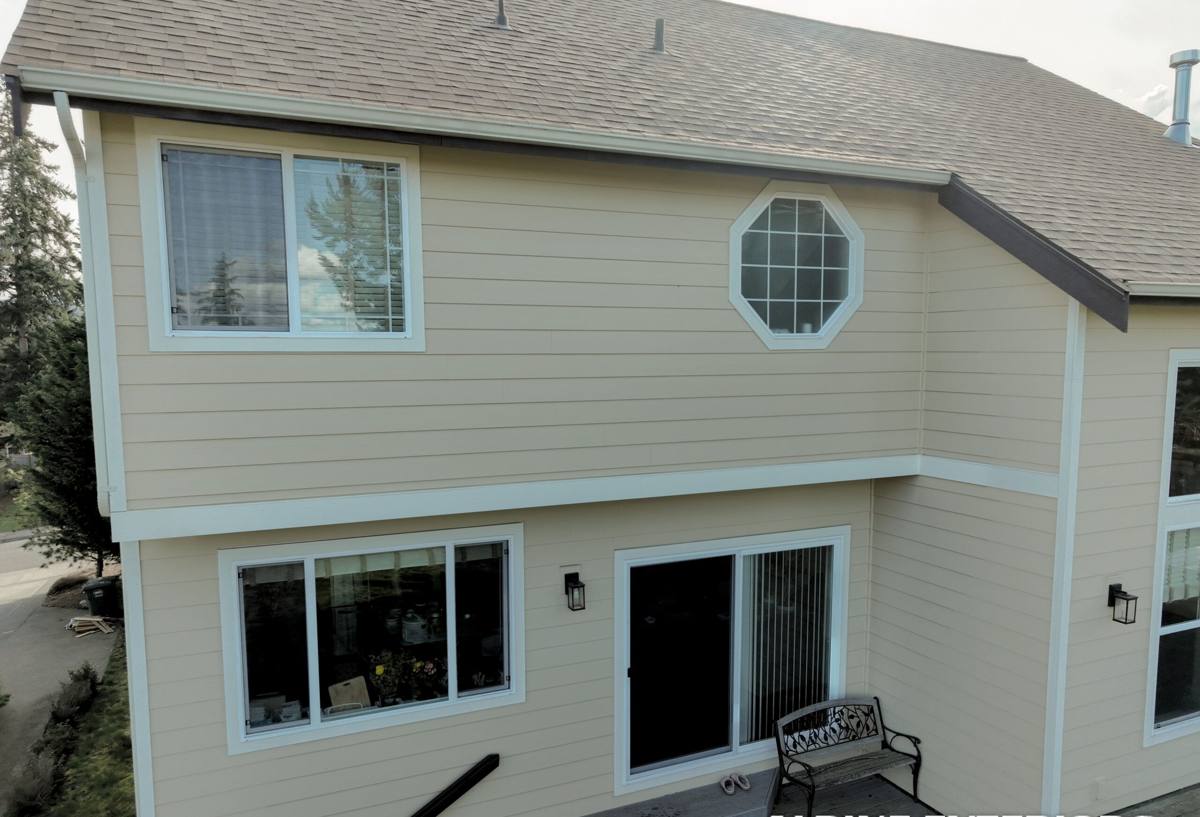
What a Correct Roof Replacement Involves Here
Starting With the Roof Deck, Not the Shingles
Every roof replacement starts underneath the surface layer, and in a salt-air coastal environment that step matters more than usual. We strip the old roofing completely and inspect the deck for soft spots, delamination, or moisture staining — signs of past leaks that a simple overlay would have hidden. Any damaged sheathing gets replaced before anything new goes down. Skipping this step to save time is one of the most common shortcuts in the industry, and it's the reason some "new" roofs start failing from the inside within a few years.
Underlayment That Handles Wind-Driven Rain
Standard felt underlayment can work in a lot of climates, but Birch Bay's exposure to driving rain off the water calls for synthetic or self-adhered underlayment at the eaves, valleys, and any low-slope transitions. This is the layer that protects your home if wind ever drives moisture up under the shingles rather than straight down — a scenario that's more common near open water than it is a few miles inland.
Flashing and Fastener Choices for Salt Exposure
This is where salt air does the most damage over time. We use corrosion-resistant flashing and fasteners around chimneys, skylights, vent pipes, and roof-to-wall transitions, and we pay close attention to how those metals are sealed and lapped. A flashing detail that's "good enough" in a dry inland town can start rusting or lifting within a few seasons this close to the water if the wrong metal or an incomplete seal is used.
Ventilation That Discourages Moss and Moisture
Moss doesn't just grow because of shade and rain — it thrives on roofs that stay damp longer than they should, and poor attic ventilation is a major contributor. Balanced intake and exhaust ventilation helps the roof deck dry out between wet spells, which slows moss growth and extends the life of the shingles themselves. We check and correct ventilation as part of every replacement, not as an upsell afterward.
Choosing the Right Roofing Material for This Location
There's no single "best" roofing material for every home — the right choice depends on your roof's exposure, slope, budget, and how much moss and moisture resistance you want to prioritize. Here's how the common options stack up specifically for a Birch Bay property.
| Material | Salt Air Durability | Moss Resistance | Typical Lifespan (This Climate) |
|---|---|---|---|
| Architectural asphalt shingles | Good with corrosion-resistant fasteners/flashing | Moderate; benefits from zinc/copper strips | 20-30 years |
| Standing seam metal | Excellent with marine-grade coatings | High — sheds moss naturally | 40-50+ years |
| Composite/synthetic shake | Good | Moderate to high | 30-40 years |
| Cedar shake | Requires more upkeep near salt air | Low without treatment | 20-30 years with maintenance |
Asphalt shingles remain the most common choice for good reason — they're cost-effective, come in a wide range of colors, and hold up well in this climate when the details underneath are done correctly. Metal roofing costs more upfront but sheds moss and handles wind-driven rain about as well as any material available, which is why we see more homeowners near the water asking about it. We'll walk through the honest trade-offs for your specific roof rather than pushing one product across the board.
A Note on Moss-Resistant Products
Shingles with built-in copper or zinc granules are marketed as moss-resistant, and they do help — but no roofing product makes moss growth impossible on a shaded, damp slope. We treat these as one part of a moss strategy that also includes ventilation, tree trimming where practical, and periodic gentle cleaning, not as a substitute for those things.
Our Roof Replacement Process
- On-site inspection: We walk the roof (or use a drone where access is limited), check the deck condition where visible, assess ventilation, and note existing moss, staining, or flashing wear.
- Written estimate: You get a clear scope of work, material options with honest trade-offs, and a firm price — no vague allowances that turn into surprise charges.
- Material selection: We help you weigh cost, appearance, and how much moss/salt resistance matters for your specific slope and sun exposure.
- Tear-off and deck inspection: Full removal of old roofing, deck inspected and repaired as needed before anything new is installed.
- Underlayment, flashing, and ventilation upgrades: Installed to the standard this climate requires, not the minimum code allows.
- Final roofing installation: Shingles, metal, or composite material installed per manufacturer specifications to keep warranty coverage intact.
- Cleanup and final walkthrough: Site cleared of debris and nails (magnetic sweep included), and we walk the job with you before calling it done.
Signs a Birch Bay Roof Needs Replacing Rather Than Repairing
- Granule loss heavy enough that shingles look patchy or bald in sun-exposed areas
- Moss or algae covering large sections rather than isolated patches
- Curling, cupping, or cracked shingles, especially on the side that takes the most wind-driven rain
- Rusted or lifting flashing around chimneys, vents, or skylights
- Soft spots or sagging visible from the ground or attic
- Daylight visible through the roof deck from inside the attic
- Water stains on ceilings or in the attic that reappear after repairs
- A roof already past 20-25 years old with multiple repair calls in recent years
One or two of these on their own might just call for a repair. Several at once, especially on a roof already in its second or third decade, usually means repair costs will keep piling up without solving the underlying problem.
What Affects the Cost of a Roof Replacement
| Factor | Why It Matters in Birch Bay |
|---|---|
| Roof size and pitch | Steeper pitches and larger footprints take longer and use more material |
| Layers of existing roofing | Full tear-off of multiple layers adds labor and disposal cost |
| Deck condition | Rot or moisture damage found underneath adds repair cost before new roofing goes on |
| Material choice | Asphalt, composite, and metal have significantly different price points |
| Flashing and ventilation upgrades | Coastal exposure often calls for upgrades beyond minimum code |
| Access and site conditions | Tree cover, steep lots, or limited staging area can affect labor time |
We won't quote a number without seeing the roof — anyone who does is guessing, and that guess tends to change once tear-off reveals what's actually underneath. What we can promise is a written estimate that spells out exactly what's included, so you're not left wondering what the final invoice will look like.
Why Local Experience in Whatcom County Matters
A roof replacement isn't just a materials list — it's a set of judgment calls about flashing details, fastener selection, and ventilation that get made on the fly as the tear-off reveals the actual condition of your roof. A crew that already works Birch Bay, Lynden, and the rest of Whatcom County has already made those calls dozens of times on homes facing the same wind exposure, the same salt air, and the same moss pressure your roof deals with. That familiarity shows up in fewer surprises during the job and a roof that's built to hold up to conditions specific to living near the water, not conditions that were right for a roof three states away.
It also means we're not guessing about permitting, local weather windows for tear-off scheduling, or how a given manufacturer's product actually performs a season or two after installation in this exact climate. We've seen what holds up here and what doesn't, and we build every replacement around that experience.
Maintaining Your New Roof
A correctly installed roof still benefits from basic upkeep, especially in a moss-prone, salt-air environment. Keep gutters clear so water isn't backing up under the shingle edge. Trim back overhanging branches where practical to reduce shade and debris buildup. Have moss gently removed rather than pressure-washed, which can strip granules and shorten shingle life. And have the roof looked at after any major windstorm, since wind-driven rain is exactly the condition that exposes a weak flashing detail if one exists. A quick annual check catches small issues while they're still small.
If your roof is showing its age or you're just planning ahead, we're happy to take a look and give you a straight answer — no pressure, no upsell. Fill out the form below and we'll schedule a free estimate for your Birch Bay home.