 Lynden Siding
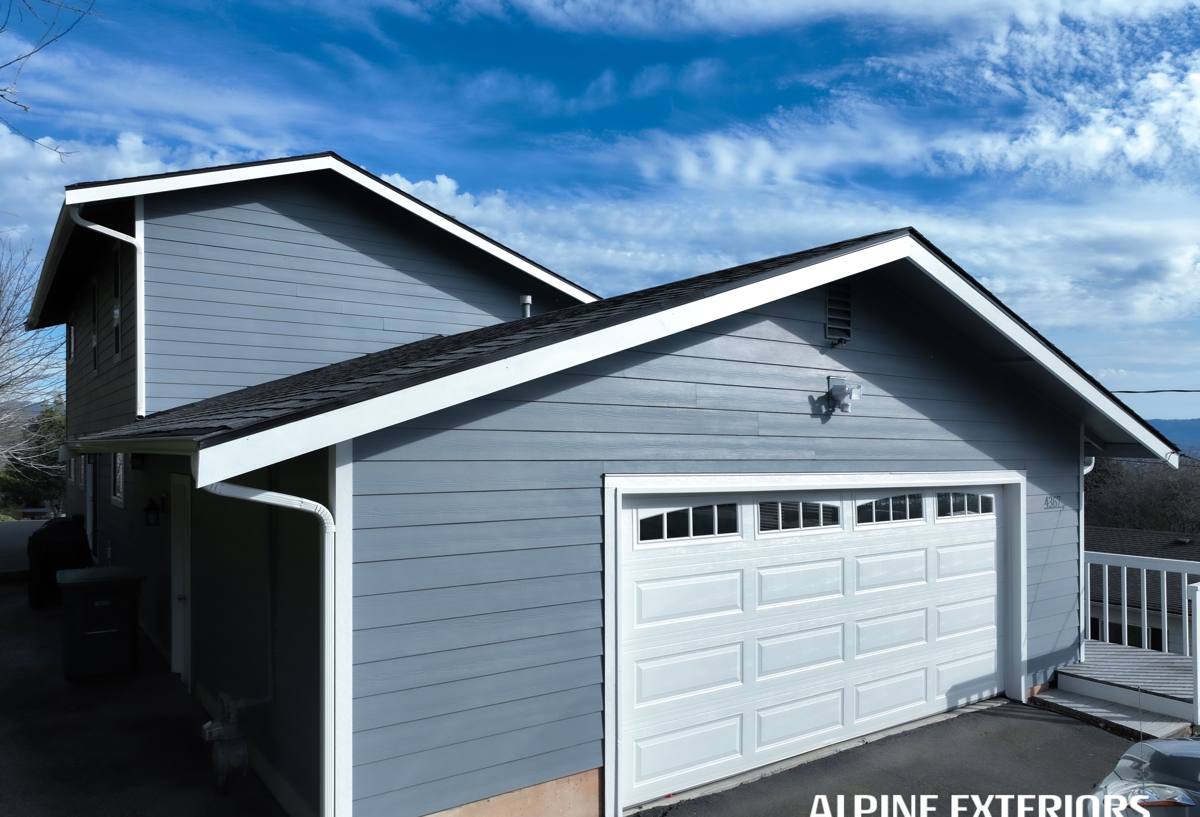
 Asphalt Shingle Roofing Built for Everson's Climate
Everson sits in a part of Whatcom County that takes a specific kind of beating year-round. You've got salt-tinged air rolling in off the Puget Sound region, driving rain that comes in sideways more often than straight down, and a moss season that seems to start earlier and last longer every year. None of that is unique to Everson, but it's constant here, and it adds up on a roof faster than most homeowners expect. An asphalt shingle roof that's installed correctly for this climate will handle it for decades. One that's installed the way a crew from a dry climate would install it will show problems in five to eight years — sometimes sooner.
This page is about that one job, done right, for homes in and around Everson. Not a generic overview of shingle roofing everywhere — the specific decisions that matter here.
What Whatcom County Weather Does to a Shingle Roof
Moss and Organic Growth
The combination of shade, moisture, and mild temperatures around Everson is close to ideal for moss. Moss doesn't just sit on top of shingles looking bad — it holds water against the granule surface, lifts shingle tabs as it grows under the edges, and accelerates granule loss. A roof with heavy moss coverage is aging faster than its calendar age suggests, even if it isn't leaking yet.
Driving, Wind-Driven Rain
Straight-down rain is easy for any roof to shed. Wind-driven rain is a different problem — it can push water up and under shingle tabs, into nail penetrations, and along flashing edges that would be fine in calmer weather. Everson gets enough wind-driven rain events per year that seam work, fastener placement, and flashing detail matter more here than they would in a sheltered, dry climate.
Salt Air and Corrosion
Proximity to the Sound means airborne salt content is higher than in inland climates, which speeds up corrosion on exposed metal — nail heads, flashing, drip edge, and vent boots. Roofing hardware that's rated for a dry inland job can start showing rust and metal fatigue years ahead of schedule out here.
Freeze-Thaw and Temperature Swings
Whatcom County doesn't get brutal winters, but it does get enough freeze-thaw cycling to matter. Water that gets trapped under a shingle or in a poorly sealed seam can freeze, expand, and widen the problem overnight. It's a slower, quieter form of damage than a big storm, but it's just as real over ten or fifteen years.
What a Correct Asphalt Shingle Installation Involves
A shingle roof is only as good as the layers underneath it. In a climate like this, skipping or shortcutting any of the following is where roofs fail early.
Full Tear-Off and Deck Inspection
Layering new shingles over old is common and cheap, but it traps moisture, hides deck rot, and voids most manufacturer warranties. A correct job starts with a full tear-off so the roof deck itself can be inspected and any soft or water-damaged sheathing replaced before anything new goes down.
Ice and Water Barrier at Vulnerable Points
Given how much wind-driven rain this area sees, self-adhering ice and water membrane belongs at eaves, valleys, and around every roof penetration — not just where code minimums require it. This is the layer that stops water that gets past the shingles from ever reaching the deck.
Synthetic Underlayment Across the Field
A quality synthetic underlayment across the whole roof adds a second line of defense and holds up far better than old-style felt when it's exposed to moisture during a multi-day install — which happens more often here than in drier regions.
Proper Ventilation
Attic ventilation controls moisture from the inside of the house, which matters just as much as the outside weather. Balanced intake and exhaust ventilation keeps warm, moist attic air moving instead of condensing on the underside of the deck — condensation that, combined with an already-humid climate, can rot sheathing from below with no visible sign until it's advanced.
Flashing Done Right
Chimneys, skylights, sidewalls, and valleys are where the overwhelming majority of roof leaks actually start — not in the open field of shingles. Correct flashing means new metal, proper step-and-counter-flashing at walls, and valley metal or woven valleys installed to shed water fast, not just resting there.
Fastening Standards
Correct nail count, placement in the manufacturer's nailing zone, and corrosion-resistant fasteners all matter more in a salt-air climate. Under-fastened or misplaced nails are one of the top causes of shingles lifting or blowing off in wind events — and they're invisible from the ground until it happens.
Comparing Shingle Options for This Climate
Not every asphalt shingle product is built the same, and the right choice for an Everson home depends on budget, roof exposure, and how long you plan to stay in the house. Here's an honest comparison of the common tiers.
| Shingle Type | Typical Lifespan | Best Suited For | Trade-Offs |
|---|---|---|---|
| 3-tab (economy) | 15-20 years | Budget-conscious rentals or short-hold properties | Lower wind rating, less algae/moss resistance, thinner profile |
| Architectural / dimensional | 25-30 years | Most Everson homes — good balance of cost and durability | Mid-range cost, strong wind rating when installed correctly |
| Premium / designer | 30-50 years | Homeowners planning to stay long-term or wanting a heavier look | Higher upfront cost, longer warranty, best moss/algae-resistant granule options |
| Algae-resistant (copper/zinc granules) | Same as base shingle + moss resistance | Shaded lots, north-facing slopes, heavy tree cover | Small cost premium, meaningfully slows moss and algae regrowth |
For most homes around Everson, we lean toward architectural shingles with algae-resistant granules as the practical middle ground — the moss resistance alone tends to pay for itself in fewer cleanings and less shingle wear over the life of the roof.
Our Process for an Everson Roofing Project
- On-site inspection — we look at the existing roof, attic ventilation, deck condition where accessible, and note moss coverage, flashing condition, and any soft spots.
- Written estimate — clear scope, shingle options, and pricing, with no pressure to decide on the spot.
- Material delivery and site protection — landscaping, siding, and gutters get protected before tear-off begins.
- Full tear-off and deck check — old roofing removed, deck inspected, any damaged sheathing replaced.
- Underlayment, flashing, and ventilation installed — the layers that actually determine how the roof performs in this climate.
- Shingle installation — correct nailing pattern, exposure, and sealing for wind and rain resistance.
- Cleanup and final walk-through — magnetic sweep for debris, gutters checked, and a final review with the homeowner before we call it done.
Maintenance That Actually Extends Roof Life Here
A correctly installed roof still needs basic upkeep in a climate this wet. Most of it is simple and doesn't require a professional every time.
- Keep gutters clear so water isn't backing up under the lower shingle courses, especially during fall leaf drop.
- Trim back overhanging branches to cut down on shade, debris buildup, and moss spread.
- Have moss physically removed rather than pressure-washed off — pressure washing strips granules and shortens shingle life.
- Do a visual check after major wind storms for lifted or missing shingles.
- Schedule a roof inspection every few years, or after any storm severe enough to concern you, rather than waiting for a visible leak.
Signs Your Everson Roof Needs Attention Now
Some of these are obvious, others get ignored until they turn into interior damage.
- Visible moss or dark streaking across shingle courses, especially on shaded slopes
- Granules collecting in gutters or at downspout outlets
- Curling, cupping, or cracked shingle tabs
- Soft or spongy spots when walking the roof (a sign of deck damage underneath)
- Daylight visible through the attic roof deck, or musty attic odor
- Rust staining around vent boots, flashing, or exposed nail heads
Why a Crew That Already Works in Everson Matters
Roofing crews that mostly work drier inland or out-of-state climates tend to under-build for conditions here — lighter underlayment, minimal flashing detail, standard fasteners instead of corrosion-resistant ones. It's not always intentional; it's just a different set of habits from a different climate. A crew that regularly works Everson, Lynden, and the surrounding Whatcom County area builds every roof assuming moss, wind-driven rain, and salt air are part of the job, not an exception to plan around later.
That local familiarity also matters for practical things: knowing which slopes on a given lot tend to hold shade and moss longest, sizing ventilation correctly for the humidity here, and choosing flashing and fastener materials that hold up under these specific conditions instead of a national-average spec sheet.
Get a Free, No-Pressure Estimate
If you're seeing moss buildup, granule loss, or just want an honest read on how much life is left in your current roof, we're happy to take a look. Use the form below to request a free estimate for your Everson property — no obligation, no pressure, just a straight assessment of what your roof actually needs.