 Lynden Siding
 Roof Repair for Aldergrove Homes, From a Crew That Knows the Border Climate
Aldergrove sits just north of the line from Lynden, and the two communities share almost the same weather system: wet Pacific air moving in off the Salish Sea, long grey stretches through fall and winter, and just enough elevation and tree cover in spots to keep roofs damp longer than homeowners expect. A roof that's fine in July can be losing shingles or growing moss colonies by February. We do roof repair work for Aldergrove homeowners regularly, and the issues we see are shaped almost entirely by that climate pattern, not by age or building quality alone.
This page covers what roof repair actually looks like for homes in and around Aldergrove — what typically goes wrong, how a proper repair is done, and what to expect if you call us out for an estimate.
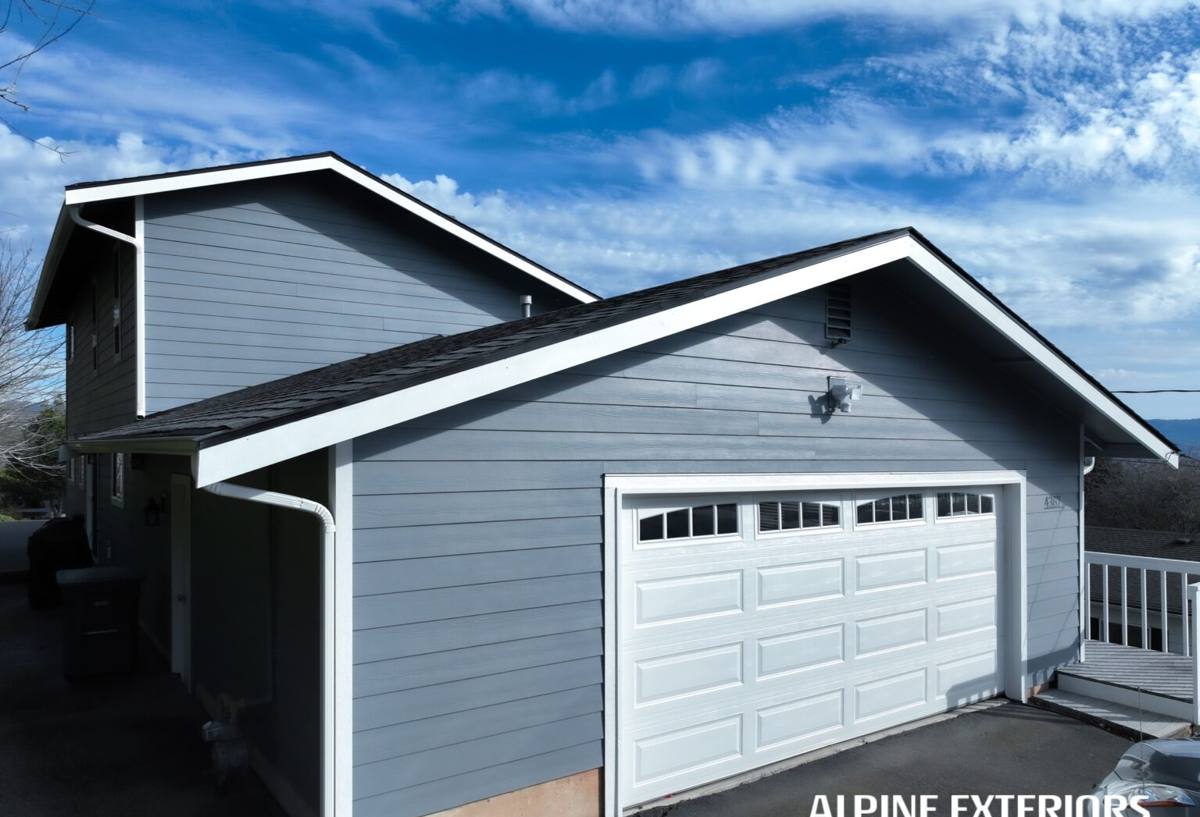
Why Aldergrove Roofs Take a Particular Kind of Beating
Three things drive most of the repair calls we get from this area:
- Salt-tinged, moisture-heavy air. Even well inland from the coast, the marine air pattern that rolls through Whatcom County and up into the Fraser Valley carries persistent moisture. It doesn't take a downpour to keep a roof wet — low cloud and drizzle for days at a stretch does the same damage more slowly.
- Driving rain on exposed slopes. Storms coming off the water often arrive at an angle, not straight down. That pushes water up under shingle laps, around flashing edges, and into any gap that a straight-down rain would never find.
- A long moss season. Between the shade from mature trees common on Aldergrove lots and the extended damp stretches, moss gets a long runway to establish itself — often eight or nine months of the year with conditions it likes.
None of this means Aldergrove roofs are poorly built. It means the climate asks more of the same materials than it would in a drier region, and repairs that ignore that context tend to fail again within a season or two.
The Moss Problem Specifically
Moss isn't just cosmetic. Once it establishes on a shingle roof, it holds water directly against the shingle surface around the clock instead of letting it run off. That constant moisture accelerates granule loss, softens the shingle mat underneath, and works its way under tab edges — which is exactly where leaks start. Left alone through a full wet season, a moss colony can turn a roof that had years of life left into one that needs real repair, not just a cleaning.
Signs an Aldergrove Roof Needs Repair, Not Just Watching
Homeowners often wait until there's a visible leak inside, but by that point the damage is usually well past the roof surface. Earlier signs worth acting on include:
- Granules collecting in gutters or at downspout outlets after rain
- Shingle edges that have curled up or lifted, especially on the side of the roof that takes the weather
- Dark streaking or thick moss growth, particularly on north-facing or shaded slopes
- Flashing around chimneys, vents, or skylights that looks lifted, rusted, or gapped
- Sagging or soft spots when the roof is walked, which usually means water has already reached the decking
- Daylight visible through the attic at roof penetrations or the ridge
Any one of these on its own might not mean an emergency, but they're the kind of thing worth having a second set of eyes on before the next storm cycle rather than after.
What a Correct Roof Repair Actually Involves
A repair that holds up through an Aldergrove winter isn't just about matching shingles and calling it done. We work through the same sequence every time:
1. Find the Real Source, Not Just the Symptom
Water travels. A stain on a ceiling six feet from an exterior wall might trace back to a flashing failure at a totally different point on the roof. We trace the path — checking the roof surface, flashing, underlayment condition, and attic deck — before touching anything, because repairing the wrong spot means the same leak comes back.
2. Address Moss and Debris Before Repairing Shingles
If moss or heavy debris is present, it gets cleared and treated before repair work starts. Nailing new shingles over or next to an active moss colony just gives the moss a fresh edge to spread into.
3. Replace Shingles and Underlayment as a Unit
Underlayment that's been wet repeatedly loses its ability to shed water even if the shingles above it look fine. When we replace shingles in a damaged section, we check and typically replace the underlayment underneath rather than laying new shingles over compromised material.
4. Rebuild Flashing Properly
Flashing failures — around chimneys, skylights, vent pipes, and roof-to-wall transitions — are one of the most common leak sources we find on repair calls in this area, and they're also the most commonly rushed by a quick patch job. Correct flashing repair means removing the old flashing, checking the decking underneath for rot, and integrating new flashing with the underlayment and shingle courses so water sheds over every layer in the right order, not just caulked at the seam.
5. Confirm Attic Ventilation Isn't Working Against the Repair
Poor attic ventilation traps warm, moist air against the underside of the roof deck, which contributes to both premature shingle failure and ice or condensation issues in colder stretches. If ventilation is part of the problem, we'll flag it — a shingle repair on a roof with a ventilation issue is a shorter-term fix than it should be.
Repair vs. Replacement: How We Help You Decide
Not every damaged roof needs full replacement, and not every leak is fixable with a patch. The honest answer usually comes down to how much of the roof's total lifespan is left and how widespread the damage is.
| Factor | Points Toward Repair | Points Toward Replacement |
|---|---|---|
| Roof age | Under 15 years, otherwise sound | Nearing or past typical shingle lifespan |
| Damage extent | Isolated to one section or penetration | Spread across multiple slopes |
| Granule loss | Localized, shingles still flexible | Widespread, shingles brittle or cracking |
| Decking condition | Solid, no soft spots | Soft or rotted decking found underneath |
| Moss history | First occurrence, treated early | Repeated colonies over several seasons |
| Leak pattern | Single, traceable source | Multiple or recurring leak points |
We'll always tell you plainly which side of that line your roof falls on, including when a repair is the right call even though replacement would be more profitable for us. A repair that's honestly scoped and correctly done can buy a roof several more good years.
Why It Matters That We Already Work Aldergrove
Being based in Lynden and working regularly on both sides of the border means a few practical things for Aldergrove homeowners:
- We're familiar with how this specific stretch of the Fraser Valley and Whatcom County climate behaves through the year — not generalizing from a drier region's playbook.
- We're not driving in from a distant metro area with a markup to match the trip; Aldergrove is a normal part of our service area, not a special trip.
- We've seen the moss and flashing patterns common to homes in this area enough times to recognize them quickly instead of treating every roof as a first-time diagnosis.
- Scheduling a repair with a crew that's already local to the area tends to mean a faster response when a leak shows up mid-storm-season, rather than waiting on a company juggling a much wider territory.
What to Expect When You Call Us
We start with a straightforward roof inspection — checking the shingle surface, flashing points, gutters, and attic where accessible. From there we give you a clear picture: what's actually wrong, what caused it, and what it will take to fix it correctly. If it's a straightforward repair, we'll walk you through the scope before any work starts. If we think replacement makes more financial sense given the roof's condition, we'll say so directly rather than stretching out repairs on a roof that's past the point of being worth it.
A Few Things Homeowners Can Check Themselves First
- Look at gutters after a rain for granule buildup
- Check the attic (if accessible) for daylight, staining, or damp insulation
- Note which slopes get shade for most of the day — those are the ones most likely to hold moss
- Watch for any new interior ceiling stains after a heavy storm
None of this replaces a proper inspection, but it gives us a head start on where to look when we come out.
Get a Straightforward Estimate
If you're seeing signs of roof trouble at your Aldergrove property, or just want an honest read on where your roof stands before the next wet season sets in, we're glad to come take a look. Estimates are free and there's no pressure to move forward — just a clear assessment from a crew that already knows this area's roofs. Use the form below to get in touch.